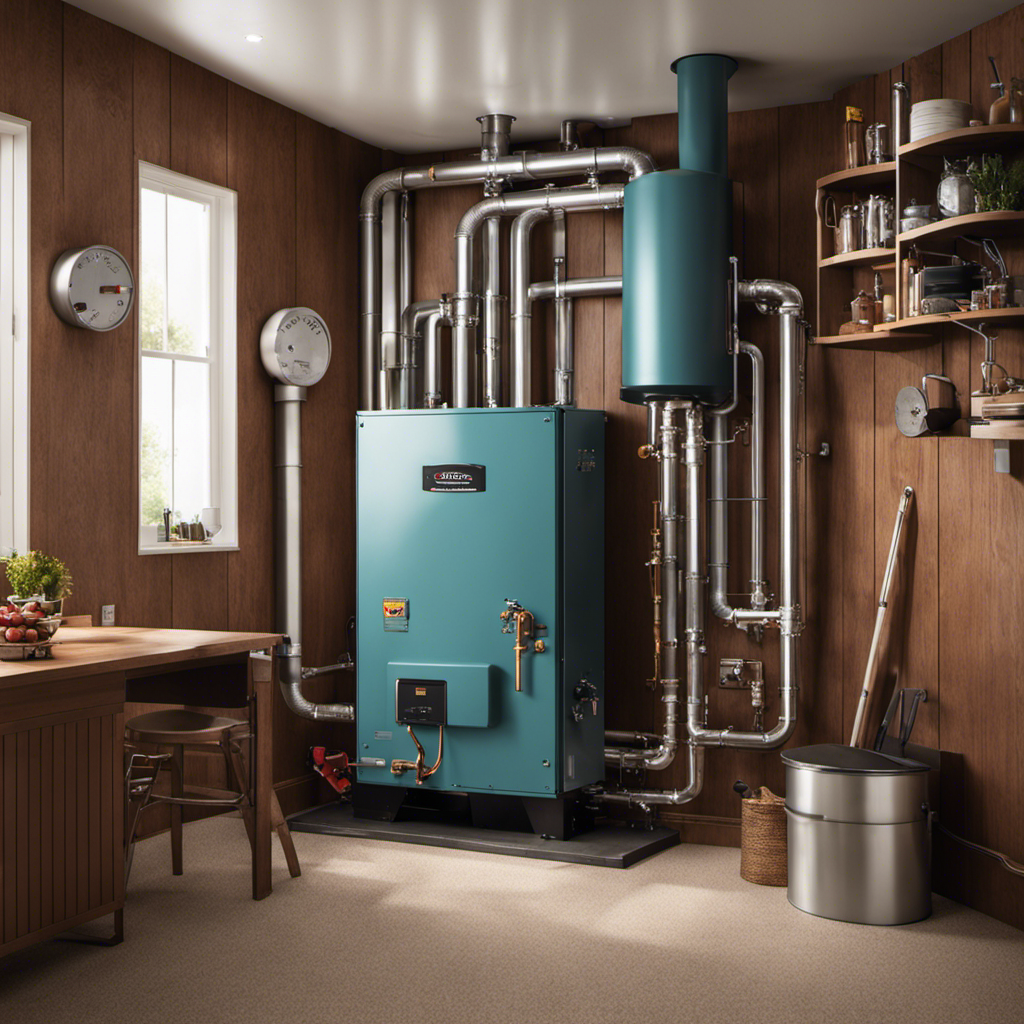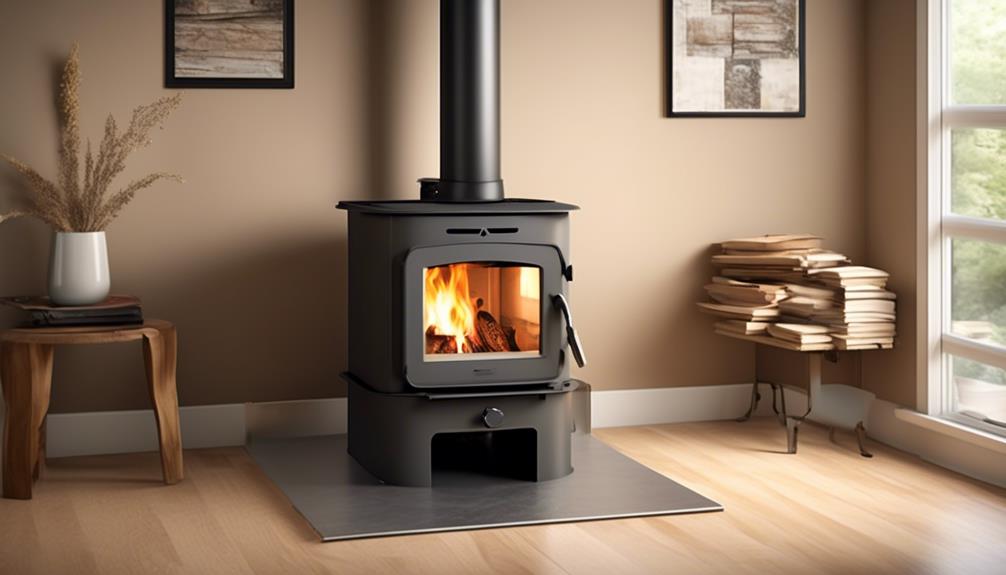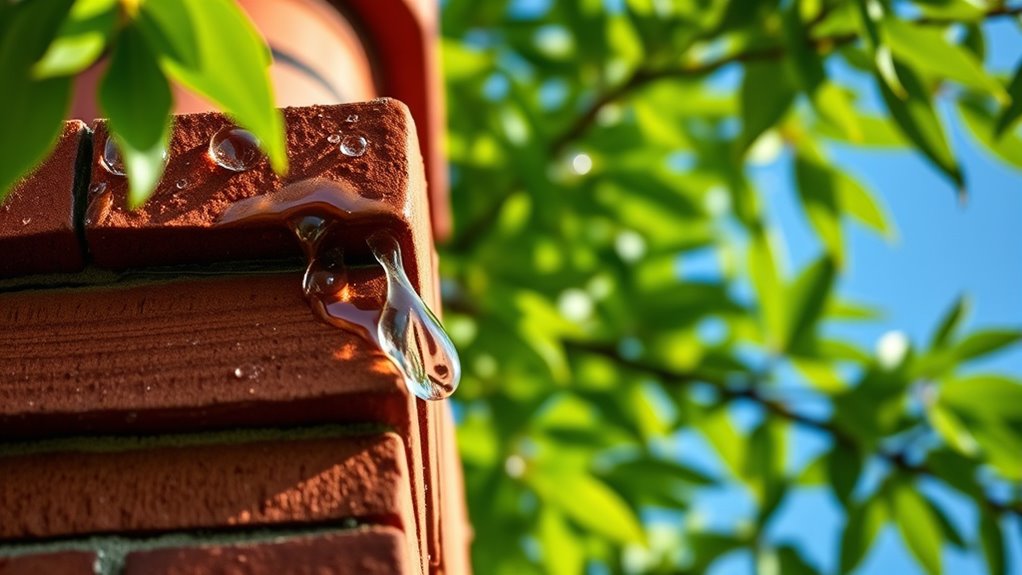
To prevent chimney leaks and water damage, regularly inspect your damper for rust, debris, and proper sealing, and keep it well-maintained. Check the flashing where your chimney meets the roof for cracks or gaps, and repair or replace it promptly. Also, verify the chimney crown and masonry are free of cracks, and keep the chimney cap intact. Staying proactive with these steps will help protect your home from costly water issues—you’ll find more tips below.
Key Takeaways
- Regularly inspect and maintain chimney dampers to ensure they seal tightly and prevent water entry.
- Check and repair chimney flashing promptly to maintain a waterproof barrier between the chimney and roof.
- Seal cracks in the chimney crown and masonry to prevent water infiltration through small openings.
- Keep chimney cap in good condition to block rain, snow, and debris from entering the chimney.
- Schedule professional inspections before winter to identify and address potential leaks early.
Are you aware of how vulnerable your chimney is to leaks and water damage? Even small cracks or gaps can let water seep in, causing extensive damage over time. To protect your home, it’s necessary to understand the key components that prevent leaks, especially damper maintenance and flashing repairs. The damper, which controls airflow and smoke exit, often gets overlooked until it causes problems. If it’s not functioning properly or becomes rusted and stuck, water can enter through the opening, leading to water damage inside your chimney and walls. Regular damper maintenance ensures it seals tightly when closed, preventing moisture from sneaking in during rainy or snowy weather. You should inspect it periodically for rust, corrosion, or debris buildup, and replace or repair it as needed to keep it in good condition.
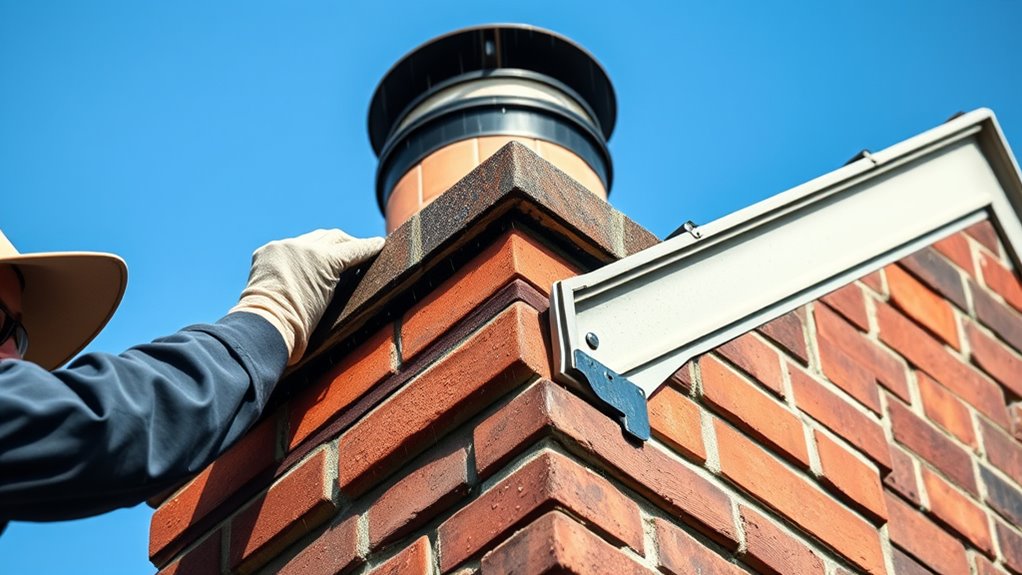
Flashing, the metal strip installed where the chimney meets the roof, plays an indispensable role in waterproofing. Over time, flashing can corrode, crack, or become loose due to weather exposure, especially during storms or high winds. When flashing fails, water can seep behind it and into the underlying structure, causing wood rot, mold, and interior damage. That’s why timely flashing repairs are imperative. You need to check your flashing regularly, especially after storms, and look for signs of rust, gaps, or lifting edges. Proper flashing installation and repairs create a watertight barrier, preventing leaks from rain or melting snow. If you notice any damage or deterioration, don’t delay fixing it. A professional can reseal or replace the flashing to restore its protective function.
Beyond damper maintenance and flashing repairs, other steps can help prevent leaks, such as inspecting the chimney crown and masonry for cracks and sealing them promptly. Make sure your chimney cap is in place and in good condition to keep out rain, snow, and debris. Regularly cleaning the chimney interior can also prevent creosote buildup, which, if left unchecked, can cause blockages and uneven heat, indirectly contributing to water intrusion issues. It’s wise to schedule routine inspections with a professional chimney service, especially before winter. They can spot small problems early and perform necessary repairs, saving you money and hassle in the long run. Remember, water damage isn’t just costly; it can compromise your home’s safety and structural integrity. Staying proactive with maintenance and repairs will help you keep your chimney watertight, protecting your investment and ensuring your fireplace functions safely and efficiently.
Frequently Asked Questions
How Often Should I Inspect My Chimney for Leaks?
You should inspect your chimney for leaks at least once a year, ideally during your roof maintenance routine. Check the chimney flashing closely, as damaged or loose flashing often causes leaks. After severe weather, like storms or heavy snow, give your chimney a quick inspection. Regular inspections help catch issues early, preventing water damage and costly repairs, ensuring your chimney stays secure and watertight year-round.
Can Chimney Leaks Cause Structural Damage Over Time?
Like a silent predator, chimney leaks can cause lasting damage over time. If water seeps through, it can weaken your chimney foundation and erode the mortar, leading to structural issues. Corroded flashing worsens this cycle, allowing more water entry. Regular inspections catch leaks early, preventing costly repairs and ensuring your home’s safety. Don’t ignore the warning signs—addressing leaks now keeps your chimney strong for years to come.
What Materials Are Best for Sealing Chimney Cracks?
You should choose high-quality, flexible sealant options like silicone or polyurethane for sealing chimney cracks. These materials accommodate movement and weather changes, guaranteeing long-lasting protection. Proper repair techniques include cleaning the crack thoroughly, removing loose debris, and applying the sealant evenly with a caulking gun. For larger or more complex cracks, consider consulting a professional to ensure the best sealant options are used for effective, durable repairs.
Are There DIY Methods to Prevent Chimney Leaks?
Yes, you can prevent chimney leaks with simple DIY methods. Start by inspecting your chimney regularly for cracks or damage. Use chimney sealants for small cracks around the masonry or flashing areas. If you notice damaged roof flashing, consider repairing or replacing it to prevent water intrusion. These proactive steps help keep water out and protect your chimney, saving you money and avoiding future water damage.
How Does Climate Affect Chimney Leak Prevention Strategies?
Climate acts like a relentless tide shaping your chimney’s fate. In wet or snowy climates, you need extra weatherproofing techniques, like sealing flashing and installing cap protections, to keep water out. Cold weather causes freeze-thaw cycles that can crack mortar, so consider insulating your chimney. By understanding your climate considerations, you can adapt your leak prevention strategy, ensuring your chimney stays dry and durable, no matter the weather’s mood.
Conclusion
To keep your chimney singing a smooth, leak-free tune, stay vigilant and perform regular inspections. Think of your chimney as a fortress—protect it with timely repairs and proper sealing, so water can’t sneak in like a stealthy intruder. When you prioritize maintenance, you’re planting a sturdy shield against water damage, ensuring your home stays warm and dry. Keep the guardianship strong, and your chimney will stand tall, weathering any storm that comes its way.

Terra grew up with a soul deeply connected to nature. Her earliest memories are of sun-drenched meadows, whispering woods, and the rhythmic dance of waves on a moonlit night. Every gust of wind, rustling leaf, and distant horizon beckoned her with tales waiting to be told.