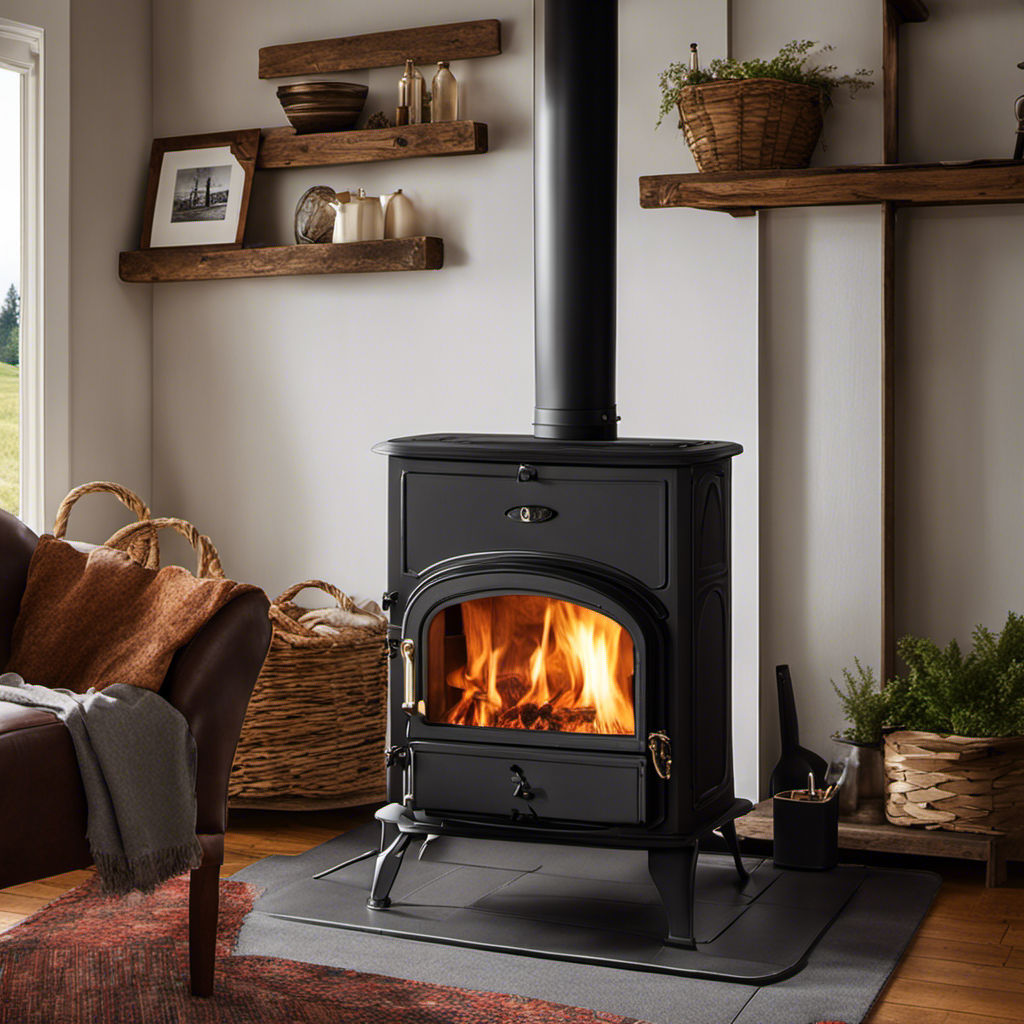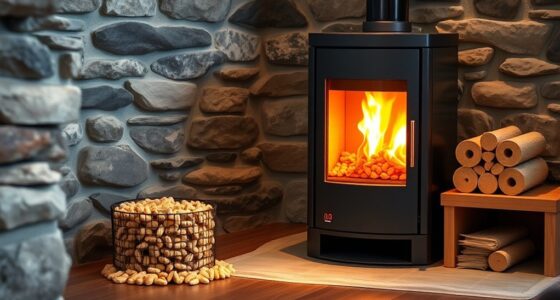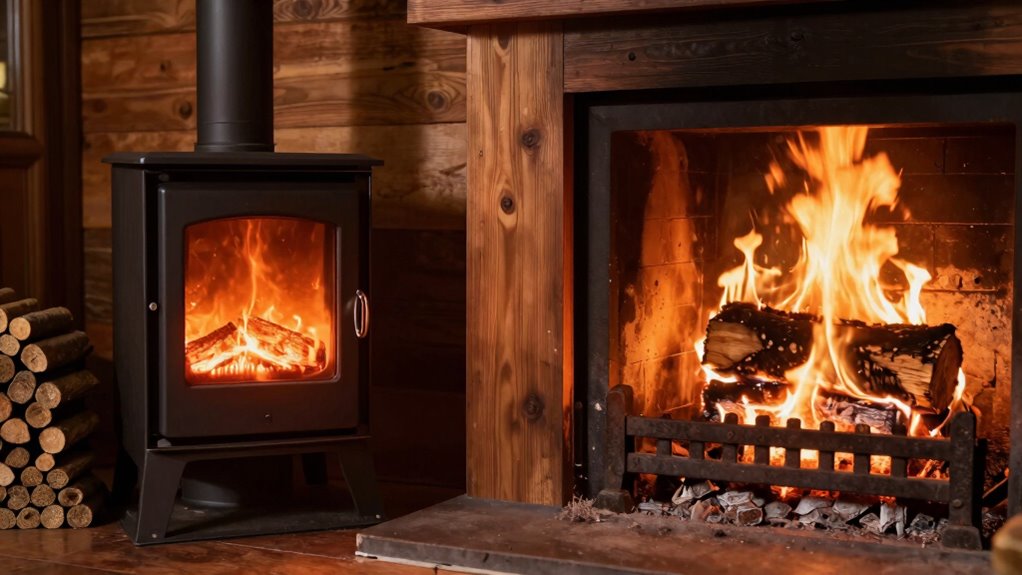

If you prefer modern ease and less fuss, pellet heating offers convenience with automated systems, low maintenance, and cleaner burning, making it simple to stay warm. On the other hand, if you enjoy a hands-on routine and a traditional feel, wood heat gives you the ritual of gathering, chopping, and tending logs, which creates a cozy, nostalgic experience. To discover how these differences truly shape your comfort and lifestyle, keep exploring these options.

Get backup power and energy gear delivered free with Prime
- Fast, free delivery on millions of items
- Prime Video, Amazon Music and more included
- Member-only deals all year
Key Takeaways
- Pellet heating offers automated, low-maintenance operation, while wood heat involves manual labor and hands-on routines.
- Pellets burn cleaner, producing fewer emissions compared to traditional wood logs.
- Wood heat provides a traditional, ritualistic experience through gathering, chopping, and tending the fire.
- Pellet stoves are more convenient for consistent, reliable heat with minimal effort.
- Handling wood creates a nostalgic, physical connection to the heating process, unlike the modern simplicity of pellets.
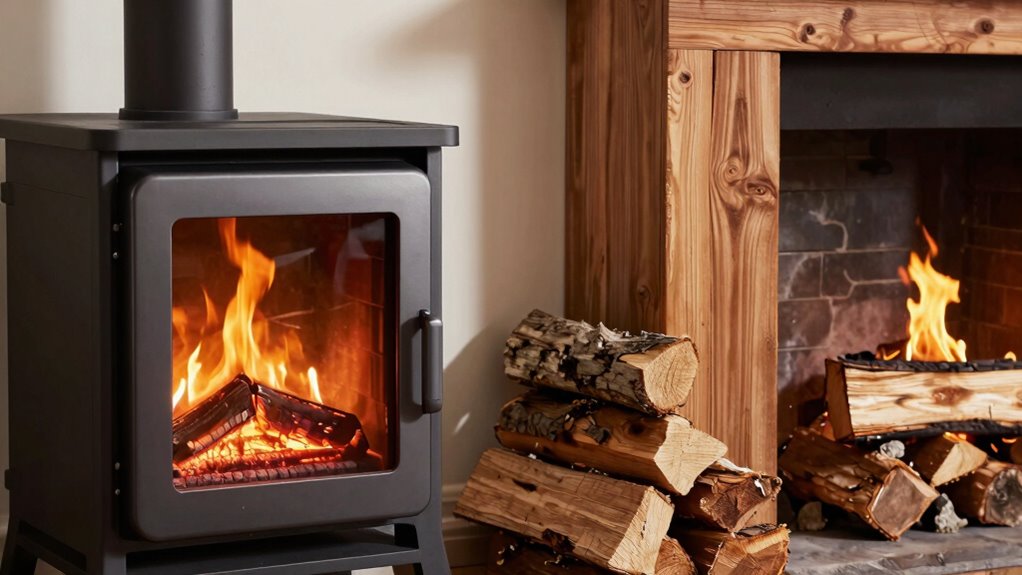
When choosing a heating method for your home, understanding the differences between pellet and wood heat can help you make an informed decision. Both options have unique appeals, especially when it comes to convenience, tradition, and environmental impact. Pellet heating offers eco friendly options that are designed for simplicity and efficiency. Pellets are made from compressed sawdust and other wood waste, which means they burn cleaner than traditional wood logs. This results in lower emissions and less indoor and outdoor pollution, making pellets a more environmentally conscious choice. Plus, pellet stoves are highly automated: you load the hopper, set the thermostat, and let the stove do the rest. This convenience appeals to those who want reliable heat without constant maintenance or fuss. In contrast, wood heat involves a more hands-on ritual. Gathering, stacking, and tending to logs connects you with a traditional process that many find rewarding and nostalgic. The act of chopping or collecting firewood becomes part of a cozy routine that can create a warm, inviting atmosphere, especially if you enjoy the sensory experience of handling wood. However, this ritual requires more effort, time, and physical work, which might not suit everyone’s lifestyle. When considering the cost comparison, pellet heating can sometimes be more economical over time, especially if you have access to affordable pellets and a high-efficiency stove. While the initial investment in a pellet stove might be higher, the efficiency and automated operation often translate into lower fuel costs and less waste. On the other hand, wood heat can be cheaper upfront if you already have access to free or inexpensive firewood, but ongoing maintenance and labor costs should be factored in. Additionally, fuel quality and storage are important considerations that can impact the overall effectiveness and convenience of your heating choice. Proper storage methods for pellets and firewood also play a crucial role in maintaining efficiency and safety. Choosing the right fuel type can significantly influence your heating experience and environmental impact. Proper maintenance routines for both systems are essential to ensure optimal performance and safety over time. Cleaning ashes, chopping logs, and maintaining equipment add to the overall effort and expense. Both options have their pros and cons, but your choice hinges on what matters most: convenience and eco friendliness, or tradition and hands-on involvement. If you prefer a low-maintenance, environmentally mindful heating solution, pellet heat is likely the better fit. If you value the ritual and physical connection to your heat source, then wood heat might be more appealing. Ultimately, understanding these core differences helps you decide which method aligns with your lifestyle, values, and budget—whether you want to embrace the modern ease of pellets or the time-honored charm of wood.
As an affiliate, we earn on qualifying purchases.
Frequently Asked Questions
Which Is More Environmentally Friendly, Pellet or Wood Heat?
Pellet heating is generally more environmentally friendly because it uses renewable resources and produces fewer emissions. Pellets are made from compressed sawdust and other waste, which helps reduce waste and promotes sustainable resource use. They burn more efficiently, leading to significant emission reductions compared to traditional wood fires. If you’re aiming for eco-friendliness, pellets are a better choice, as they support cleaner air and responsible resource management.
How Much Maintenance Do Pellet and Wood Stoves Require?
You’ll find pellet stoves require less maintenance than wood ones; roughly 1-2 hours weekly, including emptying ash and cleaning pellet storage. Wood stoves need more frequent chimney cleaning—about once a year—and ash removal. Notably, a clean chimney reduces fire risk by nearly 80%. Regular upkeep keeps your stove running efficiently and safely, so staying on top of cleaning tasks is key to enjoying cozy, worry-free warmth.
Are Pellet Stoves Cheaper to Operate Than Wood Stoves?
Pellet stoves are generally cheaper to operate than wood stoves because they offer better fuel efficiency, meaning you get more heat from less fuel. Plus, their consistent burning makes it easier to control costs. While installation costs for pellet stoves can be higher initially, their efficiency often results in lower long-term expenses. Overall, if you’re looking to save money on heating, pellet stoves tend to be more economical.
Can Pellet Stoves Be Used During Power Outages?
Yes, pellet stoves can work during power outages if you have a battery backup. Unlike traditional wood stoves, which burn fuel directly from stored logs, pellet stoves rely on electricity to feed pellets from a hopper. You’ll need to make certain your fuel storage is sufficient and your backup system is ready. This setup lets you enjoy warmth even when the power’s out, blending convenience with preparedness.
What Are the Safety Concerns With Pellet and Wood Heating?
You should be aware of safety concerns with pellet and wood heating, especially regarding pellet storage and chimney safety. Properly store pellets in a dry, ventilated area to prevent fire hazards. Regularly inspect and clean your chimney to avoid creosote buildup, which can cause chimney fires. Always follow manufacturer instructions and use appropriate fire safety measures to keep your home safe while enjoying your heating system.
Conclusion
Imagine you’re deciding between a quick, convenient pellet stove or a traditional wood-burning fireplace. If you value ease and consistent heat, pellets are your go-to. But if you enjoy the ritual—splitting logs and tending the fire—you’ll find wood heat more satisfying. For example, Sarah switched from wood to pellets for daily warmth but still fires up her wood stove on weekends for that comforting, nostalgic experience. Your choice depends on whether convenience or ritual fuels your fire.
Halloween Picks
halloween
As an affiliate, we earn on qualifying purchases.