
Using the wrong outdoor firewood rack can slow down the seasoning process and reduce burn quality. If you place your wood on racks that don’t promote airflow, trap moisture, or aren’t weather-resistant, your wood won’t dry properly. Avoid dense covers that block air circulation and racks that rust or rot quickly. Proper placement, materials, and ventilation are key. Stick around to discover how to choose the best racks and optimize your drying process.

Get backup power and energy gear delivered free with Prime
- Fast, free delivery on millions of items
- Prime Video, Amazon Music and more included
- Member-only deals all year
Key Takeaways
- Using non-ventilated or enclosed racks traps moisture, slowing down the wood’s seasoning process.
- Covering only the top while leaving sides open promotes better airflow and faster drying.
- Placing racks directly on the ground or in shaded, humid areas delays seasoning.
- Choosing racks made of materials prone to rust or rot decreases durability and affects drying efficiency.
- Overloading racks or stacking wood too tightly restricts airflow and prolongs moisture evaporation.
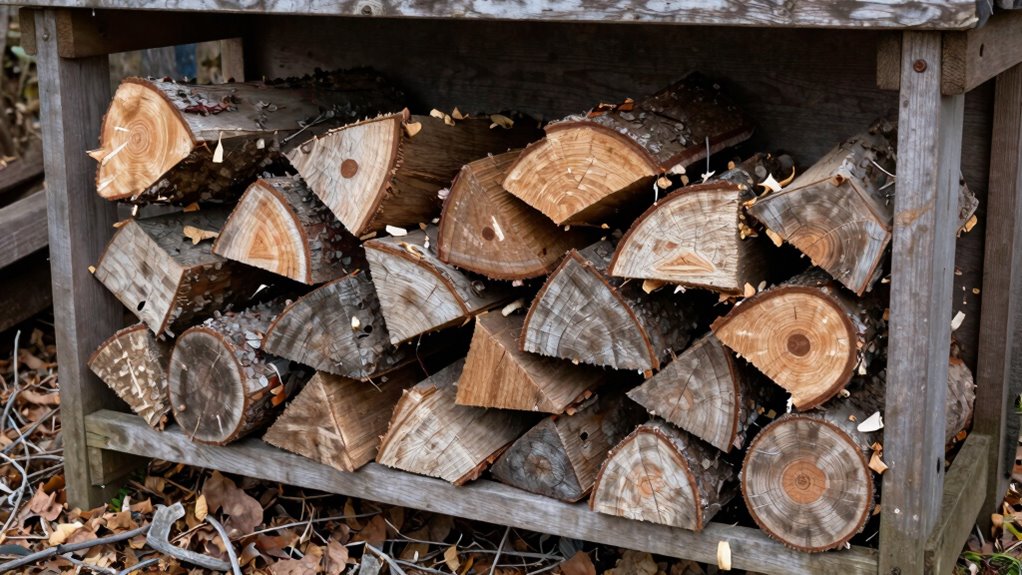
Firewood rack is an essential addition for anyone who regularly burns wood, as it keeps your firewood organized, dry, and easily accessible. Proper storage plays a vital role in ensuring your wood season correctly, and choosing the right rack is part of that process. When it comes to wood drying techniques, how you store your firewood markedly impacts how quickly and efficiently it dries. Ideally, you want to stack your wood in a way that promotes airflow around each piece, which helps moisture escape and prevents mold or rot. Using a rack that elevates the wood off the ground allows air to circulate underneath, speeding up the seasoning process. Covering the top of the rack is recommended, but you should leave the sides open to maintain airflow. This simple approach guarantees your firewood dries evenly and thoroughly, reducing smoke and increasing heat output when you burn it. Ensuring proper airflow is crucial for effective drying and avoiding common storage mistakes. Rack material considerations are equally important. You need a rack made from durable, weather-resistant materials if it’s going to stay outdoors year-round. Metal racks, especially those with powder-coated or galvanized finishes, resist rust and corrosion better than untreated steel. Wood racks might look attractive but can deteriorate over time if not properly treated or maintained. Plastic is lightweight and resistant to moisture but may not hold up under heavy loads or harsh weather conditions. Whichever material you choose, ensure that it’s sturdy enough to support the weight of your firewood and designed for outdoor use. Proper material selection not only extends the lifespan of your rack but also maintains the integrity of your firewood storage. Using the right wood drying techniques with your rack isn’t just about stacking; it’s about understanding airflow, moisture management, and exposure. It’s also beneficial to monitor moisture levels in your firewood to determine when it’s truly ready to burn. Additionally, placing the rack in a sunny, well-ventilated spot** can significantly enhance the drying process. Proper placement and climate considerations can greatly influence how quickly your firewood seasons. The goal is to keep your wood dry and ready to burn, which means avoiding stacking your wood directly on moist ground or under dense cover that traps humidity. Instead, opt for a rack that encourages air circulation, and consider placing it in a sunny, well-ventilated spot. When you combine these wood drying techniques with a durable, well-designed rack, you’ll find that your firewood season more quickly and burn more efficiently. Avoid the common outdoor storage mistake of neglecting proper airflow or choosing a rack that rots or rusts over time. Instead, invest in a quality rack suited for your climate, and you’ll enjoy a steady supply of well-seasoned, ready-to-burn** firewood all season long.
As an affiliate, we earn on qualifying purchases.
Frequently Asked Questions
How Often Should I Rotate Firewood in the Rack?
You should rotate your firewood every 1 to 2 weeks during the seasoning process. This rotation helps guarantee even air circulation around all sides of the logs, preventing mold and moisture buildup. By maintaining a consistent rotation frequency, you promote faster drying and seasoning. Keep an eye on the wood’s moisture levels, and adjust your rotation schedule if you notice uneven drying or if the weather conditions change.
What Materials Are Best for Outdoor Firewood Racks?
Choosing the right firewood rack is like picking a sturdy shield—your wood needs reliable protection. You’ll find that a wooden design offers a natural look and good insulation, but metal durability is unmatched for outdoor use, resisting rust and weather. For long-lasting performance, opt for powder-coated or galvanized metal racks, or untreated hardwoods treated for weather resistance. This guarantees your firewood stays dry and well-seasoned.
Can a Firewood Rack Prevent Wood From Rotting?
A firewood rack can help prevent wood from rotting by reducing moisture absorption and promoting proper airflow. When you use a sturdy, well-ventilated rack, you allow moisture to escape, keeping the wood dry. Additionally, a good rack can deter pests by keeping the wood elevated and accessible, making it harder for insects and rodents to settle in. Proper storage with a rack extends your firewood’s lifespan and maintains its quality.
How High Should a Firewood Rack Be off the Ground?
You should keep your firewood rack about 6 inches off the ground to promote proper air circulation and reduce wood moisture, which helps prevent mold and rot. Make sure the rack is stable and level to support the weight of the wood securely. Elevating the wood allows air to flow underneath, speeding up seasoning and keeping your firewood dry, so you get better burn quality and longer-lasting wood.
Is It Necessary to Cover the Firewood Rack?
You should cover your firewood rack, especially in rainy or snowy weather. For example, a homeowner in Vermont kept their wood uncovered, resulting in soaked, slow-seasoned logs. Using a weatherproof cover protects your wood from moisture, while rack ventilation ensures proper airflow. This combination speeds up seasoning and prevents mold. Covering your firewood rack is a simple step that makes a big difference in keeping your firewood dry and ready to burn.
Conclusion
Using an improper firewood rack can greatly slow down seasoning, leading to inefficient burning and more smoke. Did you know that properly stored firewood can season in as little as 6 to 12 months? Avoid common outdoor storage mistakes by choosing the right rack that promotes airflow and keeps your wood dry. Investing in the right rack ensures your firewood is ready faster, saving you time and energy while providing a cleaner, more efficient fire every time.
Halloween Picks
halloween
As an affiliate, we earn on qualifying purchases.