
To effectively combat wood smoke, your air purifier needs a powerful filter stack. Start with HEPA filters to trap tiny smoke particles, allergens, and dust—these are vital for cleaner air. Pair them with activated carbon filters to absorb odors and chemical fumes. This combined approach guarantees both particles and gases are targeted, improving indoor air quality and your health. Keep going to discover how the right filters make the biggest difference in your home’s air.

Get backup power and energy gear delivered free with Prime
- Fast, free delivery on millions of items
- Prime Video, Amazon Music and more included
- Member-only deals all year
Key Takeaways
- HEPA filters are essential for capturing tiny particulate matter from wood smoke, improving indoor air quality.
- Activated carbon filters effectively absorb odors, chemical fumes, and VOCs present in wood smoke.
- A combined filter stack of HEPA and activated carbon offers comprehensive removal of particles and gaseous pollutants.
- Proper filtration reduces health risks like respiratory issues, allergies, and asthma flare-ups caused by wood smoke.
- Long-term use of high-quality filters supports healthier indoor environments, especially for vulnerable populations.
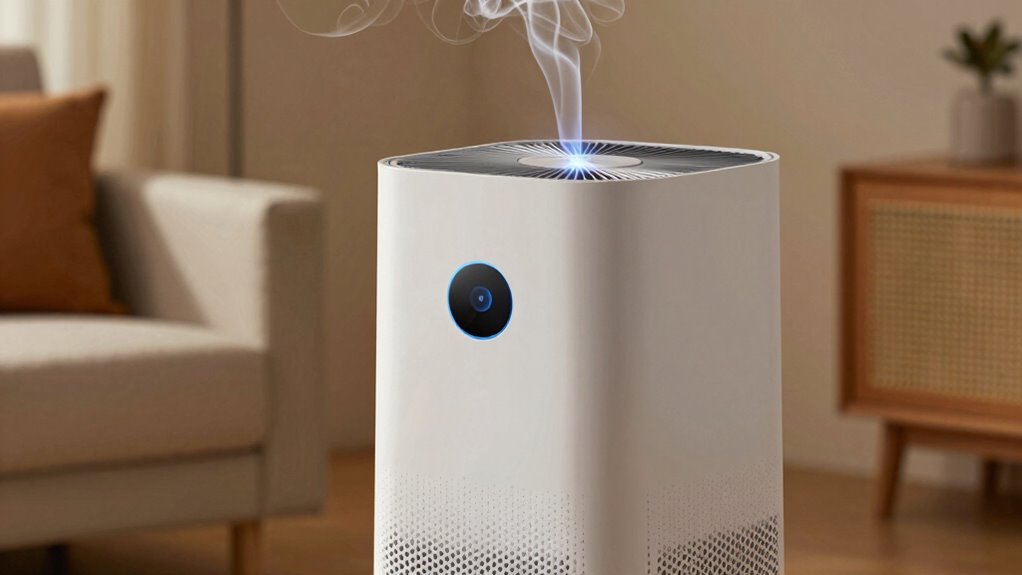
If you’re dealing with wood smoke indoors, an air purifier can be an essential tool to improve your air quality. Wood smoke contains tiny particles and harmful chemicals that can linger in the air long after the fire has died down. These pollutants can negatively impact your indoor air quality, making it harder to breathe and increasing health risks over time. An effective air purifier helps remove these contaminants, ensuring you breathe cleaner, safer air daily.
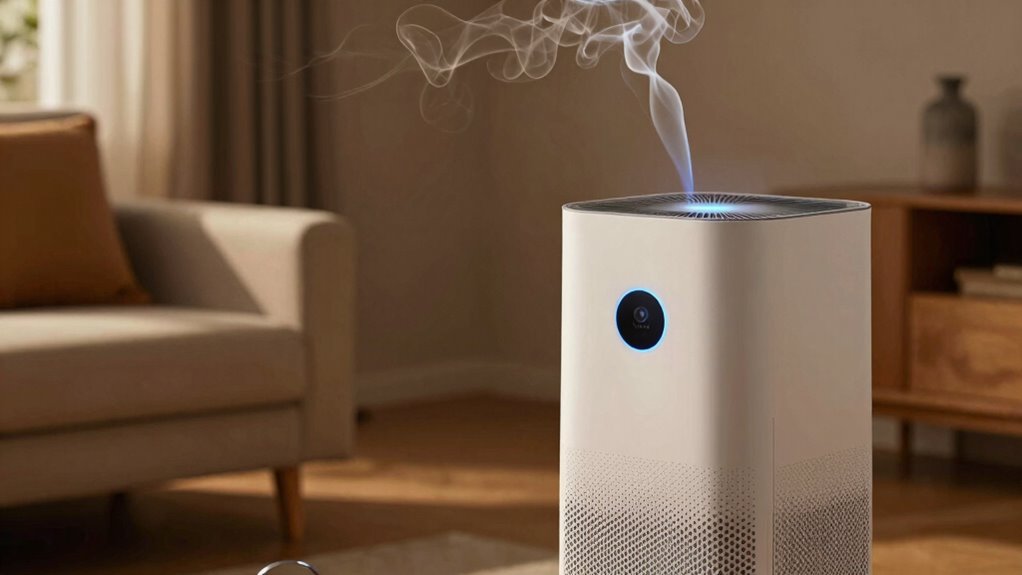
The key to combating wood smoke lies in the right filter stack within your purifier. Not all filters are created equal, especially when it comes to removing smoke particles. HEPA filters are a must-have because they can trap 99.97% of particles as small as 0.3 microns. Since wood smoke consists of fine particulate matter, HEPA filters are your best line of defense. They capture smoke particles, dust, pollen, and other allergens, significantly improving indoor air quality.
However, just having a HEPA filter isn’t enough when dealing with wood smoke. Smoke also contains volatile organic compounds (VOCs) and other gaseous pollutants. To address these, look for air purifiers equipped with activated carbon filters. These filters absorb odors and chemical fumes, which are common in wood smoke, making the air smell fresher and reducing potential health risks associated with chemical exposure.
The combination of a HEPA filter and activated carbon filter creates a robust filter stack that can handle both particulate matter and gaseous pollutants. This synergy not only cleans the air more thoroughly but also results in noticeable health benefits. Breathing cleaner air reduces the risk of respiratory issues, allergies, and asthma flare-ups, especially for sensitive groups like children and the elderly. Plus, it can alleviate symptoms like coughing and throat irritation often caused by indoor smoke. Incorporating proper filtration strategies can further enhance the overall air quality and ensure your space remains healthier. Additionally, choosing high-quality filters can prolong the lifespan of your purifier and maintain its effectiveness over time.
Investing in an air purifier with a high-quality filter stack also supports your overall indoor air quality. It helps keep dust and other airborne contaminants at bay, creating a healthier environment. The health benefits extend beyond immediate relief; long-term exposure to wood smoke is linked to chronic respiratory conditions and cardiovascular problems. Removing these pollutants from your indoor environment can make a meaningful difference in your overall health. Improving indoor air quality is especially important in homes affected by wood smoke, where pollutants can accumulate more readily. Ensuring proper ventilation in these spaces can further enhance the effectiveness of your air purification efforts.
HEPA air purifier for wood smoke
As an affiliate, we earn on qualifying purchases.
As an affiliate, we earn on qualifying purchases.
Frequently Asked Questions
Can Air Purifiers Eliminate All Wood Smoke Odors Completely?
No, air purifiers can’t eliminate all wood smoke odors completely, but they substantially reduce them. Your purifier uses odor absorption to tackle smells, yet the filter lifespan affects ongoing effectiveness. Over time, filters become less efficient, so regular replacements are essential. While they improve air quality, some residual odors might remain, especially with heavy or prolonged wood smoke exposure. Proper maintenance ensures you get the best odor reduction possible.
What Maintenance Do Wood Smoke Air Purifiers Require?
Think of your air purifier as a vigilant guardian, constantly battling wood smoke intruders. You need to perform regular filter replacements to keep its defenses sharp, replacing filters before they become overwhelmed. Additionally, device calibration guarantees it stays finely tuned, working efficiently. Routine maintenance like cleaning vents and checking for wear prolongs its lifespan. Staying vigilant with these tasks keeps your home’s air clean and smoke-free, like a fortress standing strong.
Are HEPA Filters Effective Against Fine Wood Smoke Particles?
Yes, HEPA filters are highly effective against fine wood smoke particles. With their high HEPA efficiency, they can capture 99.97% of particles as small as 0.3 microns, including the tiny smoke particles from wood burning. This makes them an excellent choice for smoke filtration, ensuring cleaner indoor air. You’ll notice a significant reduction in smoke odors and fine particles, improving your indoor air quality considerably.
How Long Does It Take to Notice Improvements in Air Quality?
Think of your air purifier as a vigilant lighthouse guiding ships through fog. You’ll notice improvements in air quality and smoke reduction within a few hours, especially in smaller spaces. As the filter works tirelessly, expect clearer air and less lingering smoke. Keep in mind, the time varies with room size, smoke intensity, and purifier power, but consistent use soon brings a whiff of new, cleaner air.
Do Portable Air Purifiers Work Well for Large Spaces?
Portable air purifiers can work well for large spaces if they have sufficient portable effectiveness and large space coverage. Look for models with higher Clean Air Delivery Rate (CADR) ratings, which indicate better performance in bigger areas. While some units are designed for small rooms, choosing a powerful purifier guarantees you get effective air cleaning across broader areas. Keep in mind, multiple units might be necessary for very large or open spaces.
Conclusion
When it comes to fighting wood smoke, ignoring the right filter stack is like trying to stop a hurricane with a paper umbrella—you’ll never win. The filter that matters most is your secret weapon, the one that can turn your smoky nightmare into fresh, clean air in seconds. Don’t settle for less—invest in the ultimate filter stack and breathe like you’ve never breathed before. Your lungs will thank you, and your home will become a sanctuary from the smoke invasion.
Fall Picks
fall essentials
As an affiliate, we earn on qualifying purchases.