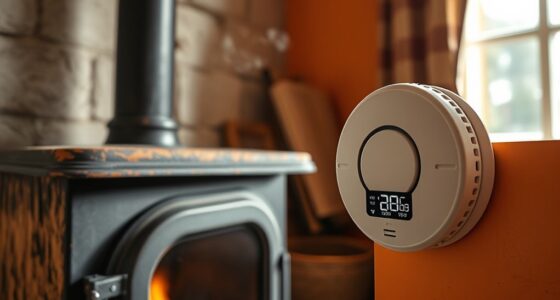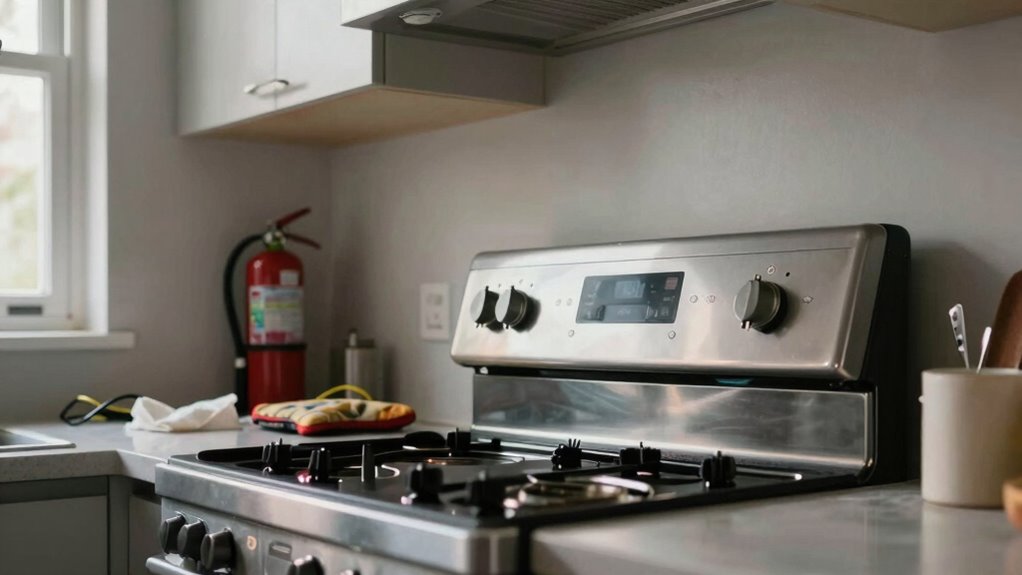

You need to see stove safety as a room-system issue because it involves more than just the appliance. Ventilation, room layout, and child-proofing all play a role in preventing hazards. Proper airflow helps reduce risks of fumes and gas buildup, while safe storage and clear pathways limit accidents. Regular maintenance and thoughtful design make your kitchen safer overall. Keep exploring these interconnected elements, and you’ll find simple ways to protect everyone effectively.

Get backup power and energy gear delivered free with Prime
- Fast, free delivery on millions of items
- Prime Video, Amazon Music and more included
- Member-only deals all year
Key Takeaways
- Stove safety depends on ventilation, room layout, and proper maintenance, not just the appliance itself.
- Child-proofing must consider the entire kitchen environment, including hazards beyond stove controls.
- Effective airflow and ventilation prevent buildup of smoke, heat, and harmful gases, reducing fire and poisoning risks.
- Room design, clear pathways, and safe storage minimize trip hazards and reduce accidental contact with hot surfaces.
- Ongoing safety checks and environment updates ensure comprehensive hazard mitigation beyond initial stove installation.
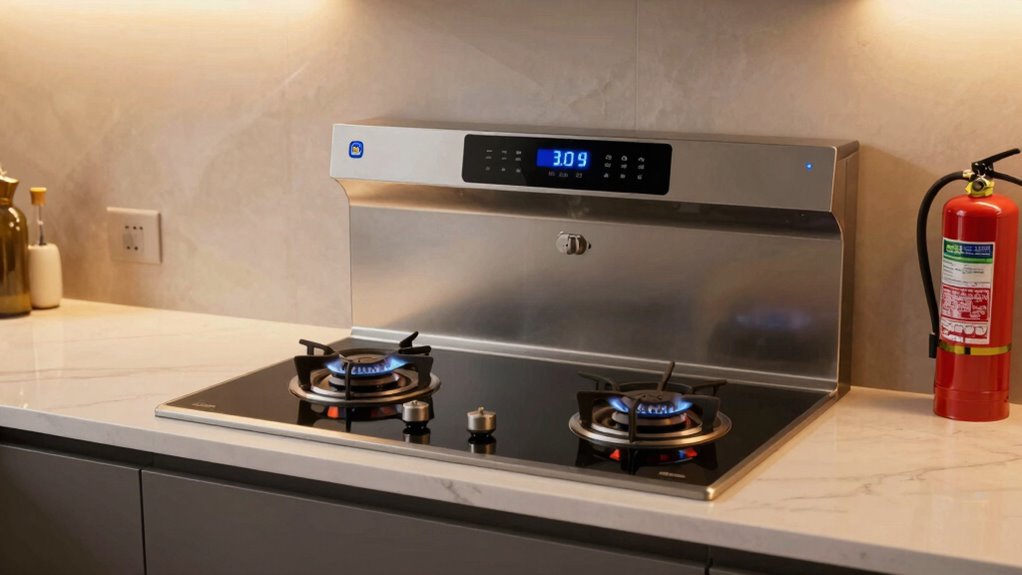
When it comes to stove safety, focusing solely on the appliance itself misses the bigger picture. Your stove doesn’t operate in a vacuum—it’s part of a room system that includes ventilation, child proofing measures, and how the space around it is designed. If you ignore these elements, you might believe you’ve minimized risks, but hazards can still lurk just out of sight. To truly keep your home safe, you need to see stove safety as a complex interplay of factors rather than just an appliance check. Incorporating room-system thinking into your safety routine helps ensure all potential hazards are addressed comprehensively. Child proofing measures are essential, but they shouldn’t stop at installing stove knob covers or safety gates. You must think about how children interact with the entire room. For example, keeping dangerous items like sharp utensils or flammable materials away from the stove area reduces the risk of accidents. Also, installing stove guards can help prevent curious little ones from grabbing hot surfaces or turning on burners. These measures are crucial, but they’re only part of the puzzle. If your kitchen’s ventilation isn’t up to par, even the safest stove can become a hazard. Good ventilation isn’t just about removing cooking odors; it helps prevent the buildup of heat, smoke, and harmful gases. An exhaust fan or range hood that functions properly ensures that fumes don’t linger, which is especially important if a child accidentally leaves a burner on or if there’s a gas leak. Additionally, understanding the room-layout can help you identify potential safety blind spots and make adjustments accordingly. Properly maintained safety devices and awareness of hazards contribute significantly to a safer environment. Beyond child proofing and ventilation, consider how the room’s layout influences safety. Clear pathways prevent trips and falls, and keeping flammable items away from heat sources minimizes fire risks. Proper lighting makes it easier to monitor cooking and notice potential hazards early. A thoughtful room design can also facilitate easier supervision and quick responses in case of emergencies. This holistic approach makes the entire room a safer environment, reducing the chances of accidents. Think about your stove as part of a larger system that includes everything from the room’s design to the way you manage airflow and supervise children. When you see it this way, stove safety becomes an ongoing process rather than a one-time fix. Regularly inspecting your ventilation, updating child proofing measures, and maintaining a safe, uncluttered space will keep everyone safer. Remember, the key isn’t just to prevent stove-related accidents but to create a room system that anticipates and reduces risks at every level. Paying attention to home environment details can significantly enhance overall safety and prevent potential emergencies before they happen.
As an affiliate, we earn on qualifying purchases.
Frequently Asked Questions
How Does Room Layout Influence Stove Safety?
Room layout directly impacts stove safety by influencing kitchen ergonomics and appliance accessibility. When your stove is positioned conveniently and within reach, you reduce the risk of accidents and spills. Proper spacing guarantees you can work comfortably without crowding, and clear pathways prevent trips. By designing your kitchen with safety in mind, you make it easier to use appliances safely and handle hot items confidently.
What Role Do Ventilation Systems Play in Stove Safety?
Ventilation energizes stove safety by venting volatile vapors and vanishing odors. You should guarantee your ventilation system actively manages air filtration, removing smoke and fumes efficiently. Properly functioning smoke detectors detect dangerous buildup, alerting you early. Regular maintenance of ventilation enhances air quality, preventing potential hazards. When ventilation works well, it wards off the risks of smoke accumulation, making your kitchen safer and more secure for everyone.
Are There Specific Materials That Improve Room Safety?
You can improve room safety by choosing fire-resistant materials and safety-enhanced surfaces around your stove. Materials like brick, tile, or fire-resistant panels resist heat and reduce fire risks. Safety-enhanced surfaces, such as non-slip mats or heat-resistant countertops, also help prevent accidents. Using these materials creates a safer environment, reducing hazards and ensuring that your cooking area stays secure during use.
How Can Lighting Affect Stove Safety in a Room?
Lighting can drastically influence stove safety by creating the right ambiance while preventing hazards. Bright, well-placed lights ensure you see spills or flames, reducing accidents. However, overly warm bulbs may generate heat that affects nearby surfaces or wiring, increasing risk. Proper lighting balances clarity and safety, so you can cook confidently without the danger of insufficient visibility or unintended heat from bulb heat.
What Are Common Overlooked Hazards Related to Stove Placement?
You might overlook hazards related to appliance positioning, such as placing the stove too close to curtains or flammable objects. Make sure your stove isn’t near sinks or high-traffic areas to prevent accidents. Proper placement helps with fire prevention, reducing the risk of grease fires or accidental burns. Always maintain clear space around the stove, and consider the room’s overall layout to avoid hidden hazards that could compromise safety.
Conclusion
So next time you’re cooking, remember: stove safety isn’t just about individual vigilance—it’s a room-system issue. When your smoke detector’s working, your kitchen’s layout supports safe use, and everyone knows the plan, accidents become less likely. Sometimes, the smallest change, like a simple safety check, can prevent a disaster. It’s funny how a minor detail, like a misplaced fire extinguisher, can unexpectedly save the day. Keep your kitchen safe, and stay aware—coincidence might just be on your side.
Halloween Picks
halloween
As an affiliate, we earn on qualifying purchases.