Many myths about wood stoves are outdated thanks to modern improvements. Today’s stoves are much safer, cleaner, and more efficient, using advanced technology to cut emissions and boost heat output. Proper installation, maintenance, and burning seasoned wood help minimize pollution and safety concerns. Misconceptions about inefficiency or danger no longer hold true. To discover how modern wood stoves can be a smart, eco friendly heating choice, keep exploring these updates.
Key Takeaways
- Modern wood stoves are highly efficient and produce minimal emissions when properly used and maintained.
- Safety concerns are largely myths; new models feature advanced safety features like insulated glass and sensors.
- Installing a wood stove is straightforward with professional help, and costs can be offset by long-term energy savings.
- Easy-to-use features such as automatic ignition and thermostats make modern stoves more user-friendly and low maintenance.
- Many misconceptions about inefficiency and pollution are outdated; advanced technology ensures cleaner, safer operation.

Many common beliefs about wood stoves are simply myths that can lead to misconceptions about their safety, efficiency, and environmental impact. One of the most widespread ideas is that traditional wood stoves are outdated and inherently inefficient. In reality, modern designs have seen significant efficiency improvements, allowing you to get more heat from less wood. Advanced combustion technology, better insulation, and airtight seals mean you can enjoy higher heat output with reduced fuel consumption. These improvements not only save you money but also cut down on emissions, making wood stoves a viable eco-friendly option for heating your home. If you’re concerned about environmental impact, you’ll be glad to know that many new models are designed with eco friendly options in mind, including catalytic and non-catalytic stoves that burn wood more completely, reducing smoke and particulate matter.
Another misconception is that wood stoves are unsafe and pose fire hazards. While it’s true that improper use or maintenance can lead to safety issues, modern wood stoves are built with safety features like insulated glass, heat shields, and oxygen depletion sensors that help prevent accidents. Proper installation and routine maintenance are key to ensuring safe operation. Many myths suggest that wood stoves produce excessive indoor pollution, but recent advancements have made them cleaner than ever. When properly operated and maintained, they produce minimal smoke and emissions, especially when using seasoned, dry wood. This reduces the risk of indoor air quality problems, dispelling the myth that wood stoves are inherently hazardous. Additionally, modern safety features have been incorporated to further enhance user protection and reduce risks.
People also believe that wood stoves require a lot of work and are inconvenient to operate. While tending a fire does take some effort, modern models are designed for ease of use. Features like automatic ignition, thermostatic controls, and advanced airflow systems make firing up and maintaining your stove much simpler. Plus, with efficient wood burning, you don’t need to constantly add fuel or clean out ashes as frequently. This convenience makes wood stoves a practical heating solution, especially when considering their eco friendly options that promote cleaner burning and less maintenance.
Lastly, some think that installing a wood stove is complicated and costly. However, with proper planning and professional installation, it’s a straightforward process. The initial investment can be offset by long-term savings on heating bills and the environmental benefits of using renewable fuel sources. Many models are designed to meet stringent emissions standards, further supporting their status as eco friendly options. As technology advances, wood stoves continue to become more efficient, safer, and easier to operate, making them a smart choice for sustainable home heating.
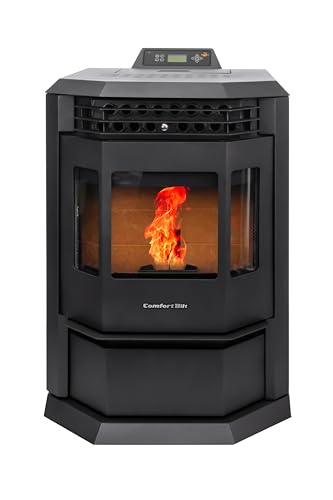
Comfortbilt Wood Pellet Stove HP22 2,800 Sq Ft. Pellet Fuel EPA Cert. 55 Pound Hopper
Requires Ventilation and Heats up to 2,800 sq. feet
As an affiliate, we earn on qualifying purchases.
As an affiliate, we earn on qualifying purchases.
Frequently Asked Questions
Can Wood Stoves Be Used Safely Indoors Without Ventilation?
You can’t use a wood stove safely indoors without proper ventilation. Ventilation safety is vital to maintain good indoor air quality and prevent dangerous buildup of smoke and carbon monoxide. Without adequate airflow, you risk health hazards, including respiratory issues or carbon monoxide poisoning. Always guarantee your stove is installed with proper vents and chimneys, and regularly check them to keep indoor air quality safe for everyone in your home.
Do All Wood Stoves Emit Harmful Indoor Air Pollutants?
While not all wood stoves compromise indoor air quality, some do emit pollutants that can affect your health. Modern stoves adhere to strict emission standards, making them safer for indoor use. To keep your space healthy, choose models with low emissions, ensure proper ventilation, and maintain your stove regularly. This way, you enjoy cozy warmth without sacrificing air quality or safety.
Is It Necessary to Regularly Maintain and Clean a Wood Stove?
Yes, you need to regularly maintain and clean your wood stove to guarantee safe, efficient operation. You should schedule chimney inspections to prevent creosote buildup and perform ash removal frequently to keep airflow clear. Regular cleaning helps reduce indoor air pollutants, prevents fire hazards, and extends your stove’s lifespan. Staying consistent with maintenance ensures your wood stove functions properly and keeps your home safe and healthy.
Can a Wood Stove Be Used as the Primary Heating Source?
Using a wood stove as your primary heating source is feasible if you prioritize fuel efficiency and proper installation. While some worry about constant maintenance, regular cleaning ensures maximum performance. Modern stoves can effectively heat your entire home, but it’s essential to size the stove correctly and maintain it diligently. With proper use, a wood stove offers a sustainable, cost-effective alternative for primary heating, especially in colder months.
Are Modern Wood Stoves More Environmentally Friendly Than Traditional Ones?
Modern wood stoves are definitely more environmentally friendly than traditional ones. They use sustainable fuel options and are designed to meet strict emission standards, reducing harmful pollutants. You’ll notice improved efficiency, which means less wood is needed for the same heat. By choosing a modern stove, you’re helping lower your carbon footprint, making your heating more sustainable and eco-conscious, all while enjoying cozy warmth.
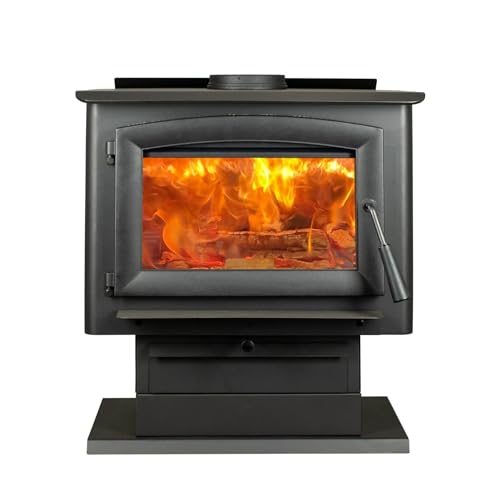
Vogelzang 2,000 Sq. Ft. Wood Stove
89,000 BTUs heats up to 2,000 square feet
As an affiliate, we earn on qualifying purchases.
As an affiliate, we earn on qualifying purchases.
Conclusion
Now that you know the truth behind these common wood stove myths, you can make smarter choices and enjoy your stove safely. Don’t fall for misconceptions that could compromise your home’s comfort or safety. Are you ready to set the record straight and embrace the facts? Remember, understanding the realities of wood stoves helps you maximize their benefits while avoiding unnecessary worries. Stay informed, stay safe, and enjoy the cozy warmth your stove provides!

Pddolw Indoor Wood-Burning Heating Stove – Thickened steel Smokeless Cooker for Efficient Rural Heating & Camping S
【Exceptional Heat Output & Efficiency】Our Pddolw indoor wood-burning heating stove boasts a fully welded, airtight design that maximizes…
As an affiliate, we earn on qualifying purchases.
As an affiliate, we earn on qualifying purchases.
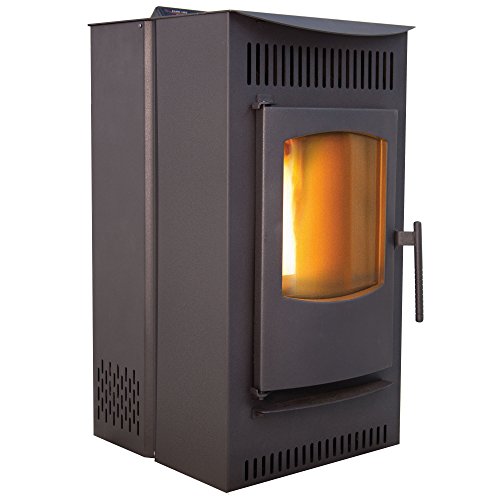
Castle Wood Pellet Stove Serenity 12327 Indoor Heating Temperature Control, Free Standing with Flame Window and Smart Controler, 18- ¼”W x 34”H x 23 ¾”D
Reinvent the way you heat your home with Castle's Serenity wood pellet stove and new Smart Controller
As an affiliate, we earn on qualifying purchases.
As an affiliate, we earn on qualifying purchases.