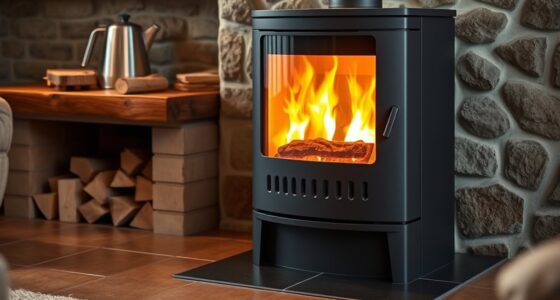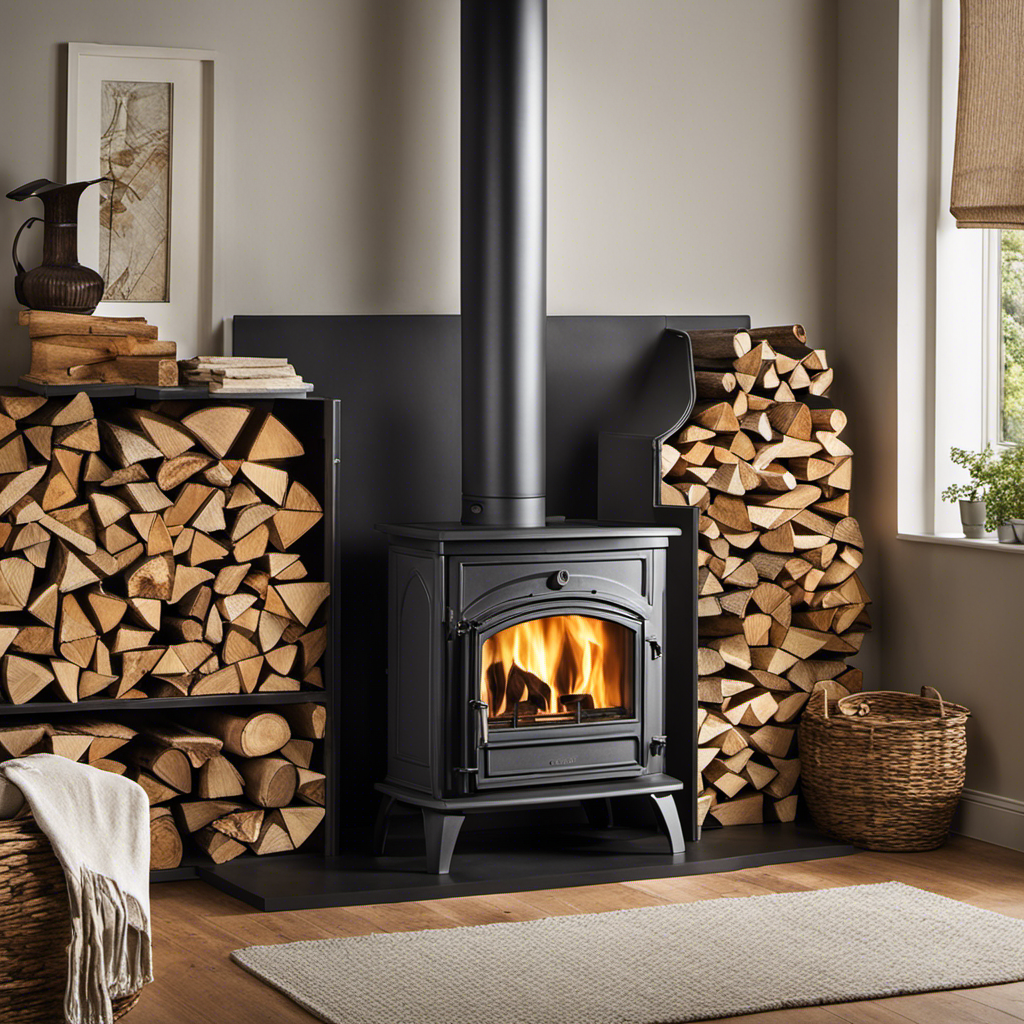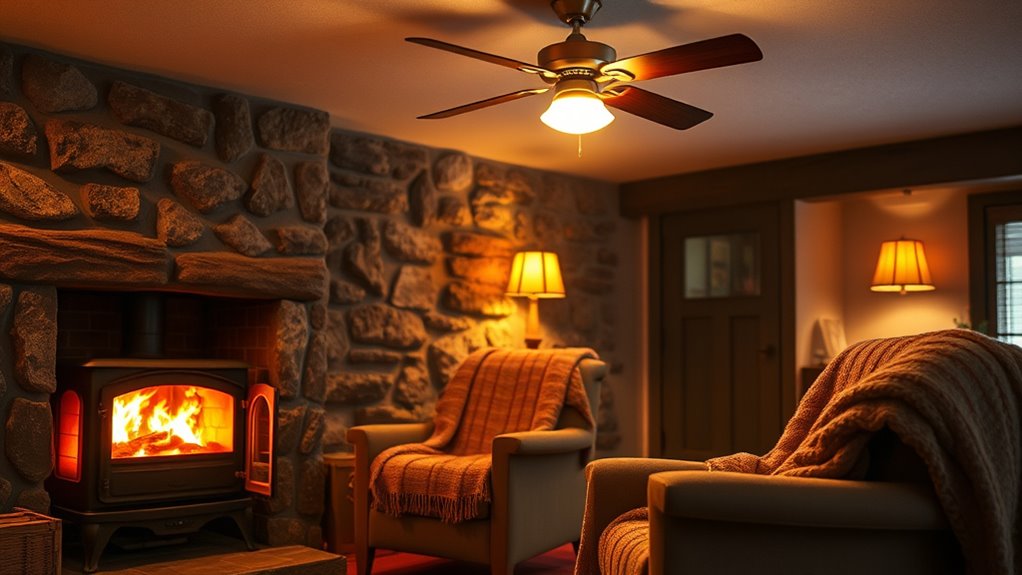

If you’re choosing between warm air circulation and radiant wood stoves, consider how you want to heat your home. Warm air systems provide whole-house warmth and integrate with existing HVAC, but they can be costly to install and operate. Radiant wood stoves offer localized, efficient heat with lower upfront costs, ideal for specific rooms. To find out which option suits your needs best and more detailed insights, keep exploring the differences.
Key Takeaways
- Warm air systems provide whole-house heating through ductwork, while radiant wood stoves offer localized, intense warmth for specific rooms.
- Installation of warm air systems is more costly and complex due to ductwork, unlike radiant stoves, which are easier and cheaper to set up.
- Radiant wood stoves are highly efficient, directly radiating heat with minimal loss, whereas warm air systems can lose heat in ducts and distribution.
- Warm air systems can integrate with existing HVAC for even, automated temperature control; radiant stoves focus on specific area heating.
- Operational costs tend to be higher for warm air systems due to energy use, while radiant stoves mainly incur fuel and maintenance expenses.

When choosing a heating system for your home, understanding the differences between warm air circulation and radiant wood stoves can help you make an informed decision. Warm air circulation systems typically use a furnace or central HVAC setup to blow heated air through ductwork, distributing warmth evenly throughout your space. Radiant wood stoves, on the other hand, rely on direct heat transfer from a heated surface, radiating warmth directly into the room. Your choice will depend on factors like energy efficiency and installation costs. Warm air systems often have higher installation costs because they require ductwork, electrical connections, and a central unit. These expenses can add up quickly, especially if your home needs modifications to accommodate duct routes. However, they tend to be more convenient for whole-house heating and can be integrated with existing HVAC systems, which might offset initial costs over time.
Radiant wood stoves generally have lower installation costs since they’re standalone units that don’t require extensive ductwork or electrical upgrades. You just need a proper chimney or venting system, and they can be placed in a central location or a room where you spend the most time. This simplicity means you can often install a radiant stove yourself or with minimal professional help, saving money upfront. In terms of energy efficiency, radiant wood stoves are quite effective at converting wood into heat, with minimal losses, because they radiate warmth directly into the room. This direct transfer means less energy is wasted compared to forced-air systems, which lose some heat in ductwork and during distribution. Energy efficiency is a critical factor to consider when evaluating your options, as it impacts both your comfort and ongoing costs.
Warm air circulation systems can be less energy-efficient because heat can escape through leaks in ducts or vents, and the process of moving air consumes energy as well. They tend to heat larger areas more evenly, which is advantageous if you want uniform warmth across multiple rooms or floors. Conversely, radiant wood stoves excel at producing intense, localized heat, making them ideal for heating specific rooms rather than entire houses. While installation costs for radiant stoves are generally lower, you should also consider ongoing expenses like fuel and maintenance. Warm air systems typically have higher operational costs due to energy consumption, but they offer the convenience of automated temperature control and easier temperature regulation throughout your home.
Ultimately, your decision hinges on your budget, home layout, and heating preferences. If you prioritize lower upfront costs and direct heating, a radiant wood stove might be the better choice. If you prefer whole-house comfort with automated controls and are willing to invest more initially, warm air circulation systems could be more suitable.
best radiant wood stove for home
As an affiliate, we earn on qualifying purchases.
As an affiliate, we earn on qualifying purchases.
Frequently Asked Questions
Which Heating Method Is More Energy-Efficient for Large Spaces?
Radiant wood stoves are generally more energy-efficient for large spaces because they directly heat objects and people, reducing wasted energy. Warm air circulation systems can lose heat through ductwork and uneven distribution, making them less efficient in large areas. You’ll find that radiant stoves provide consistent, long-lasting warmth with less energy use, making them a smarter choice if you want to maximize energy efficiency in big spaces.
How Do Installation Costs Compare Between the Two Systems?
Installation costs for warm air circulation systems tend to be higher upfront due to ductwork and equipment, whereas radiant wood stoves generally have lower initial expenses, mainly for the stove itself and basic installation. You might find that radiant stoves save you money initially, but consider long-term maintenance and fuel costs. Your choice depends on your budget and convenience preferences, with radiant stoves often being simpler to install.
Are There Health Concerns Associated With Radiant Wood Stoves?
Radiant wood stoves can impact your indoor air quality and respiratory health if not maintained properly. They emit smoke, soot, and volatile organic compounds, which may irritate your lungs or worsen allergies. To keep your respiratory health safe, make certain proper installation, regular cleaning, and good ventilation. Using a high-quality air purifier can also help reduce indoor pollutants, making your home healthier while enjoying the cozy warmth of your stove.
Can These Systems Be Used Together for Optimal Heating?
You can absolutely use these systems together for ideal heating, as their synergy potential enhances overall comfort. System integration allows you to combine radiant wood stoves’ cozy heat with warm air circulation’s even distribution. By coordinating the two, you maximize efficiency, reduce energy costs, and create a more balanced indoor environment. Proper setup and control ensure both systems work harmoniously, delivering warmth wherever you need it most.
How Do Maintenance Requirements Differ Between Warm Air and Radiant Systems?
Think of your heating system like a car—regular check-ups keep it running smoothly. Warm air systems often need filter maintenance every few months, while radiant systems demand less because they have fewer moving parts. Over time, radiant systems generally have a longer system lifespan with less frequent upkeep. By staying on top of filter maintenance, you guarantee both systems stay efficient and last longer, saving you money in the long run.
whole house warm air circulation system
As an affiliate, we earn on qualifying purchases.
As an affiliate, we earn on qualifying purchases.
Conclusion
When choosing between warm air circulation and radiant wood stoves, consider how each method impacts comfort and efficiency. Did you know radiant stoves can heat a room 30% faster and save up to 20% on energy costs? By understanding these differences, you can select the best option for your home. Ultimately, choosing the right heating method guarantees a cozy, energy-efficient space that keeps you warm during the coldest months.
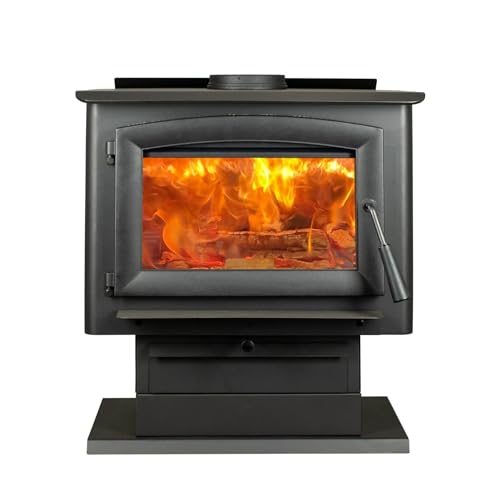
Vogelzang 2,000 Sq. Ft. Wood Stove
89,000 BTUs heats up to 2,000 square feet
As an affiliate, we earn on qualifying purchases.
As an affiliate, we earn on qualifying purchases.
ductless radiant heater
As an affiliate, we earn on qualifying purchases.
As an affiliate, we earn on qualifying purchases.