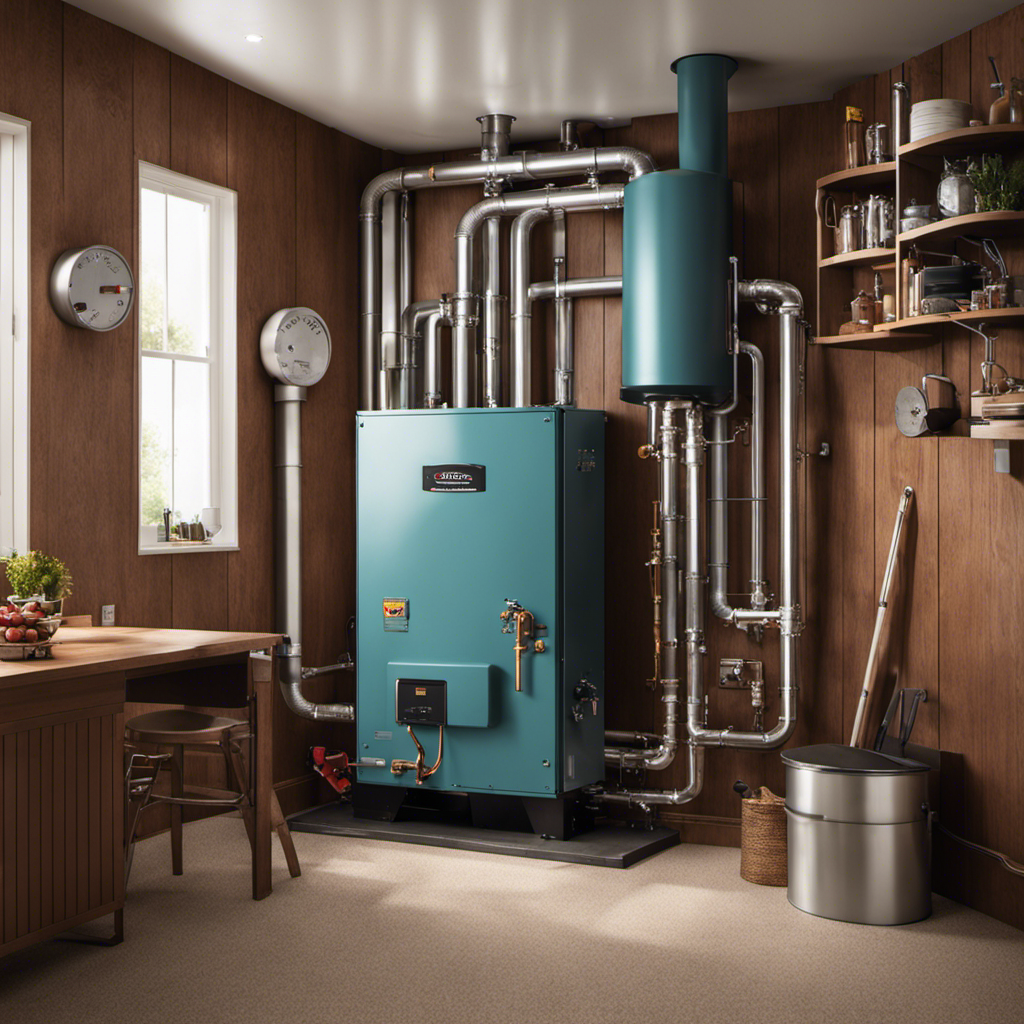

Scheduling a thorough spring chimney inspection, especially focusing on the flue and cap, can save you from costly repairs or safety hazards in the fall. By checking for blockages, damage, or debris now, you prevent water leaks, nesting animals, and fire risks later. Addressing issues early also guarantees your chimney is ready for cold weather and runs efficiently. Keep going to discover more tips to keep your home safe and hassle-free season after season.

Get backup power and energy gear delivered free with Prime
- Fast, free delivery on millions of items
- Prime Video, Amazon Music and more included
- Member-only deals all year
Key Takeaways
- Inspect and repair the chimney cap to prevent debris, animals, and water damage before fall usage.
- Check the flue for creosote buildup and obstructions to ensure safe, efficient operation.
- Address any cracks, rust, or damage during spring to avoid costly repairs in fall.
- Schedule professional inspections to detect hidden hazards and ensure all components are in good condition.
- Ensure water leaks are sealed to prevent deterioration and water damage over the summer months.
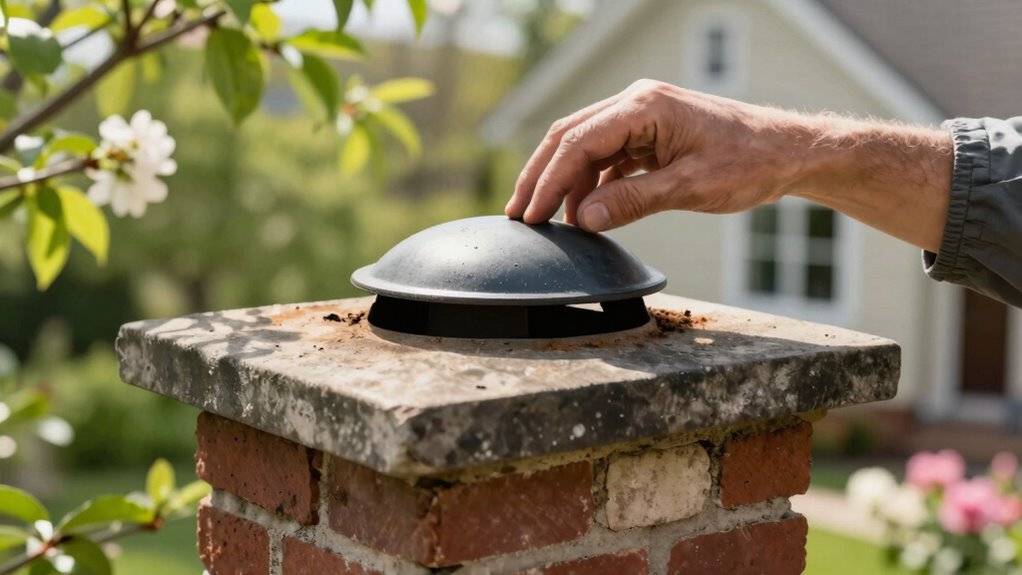
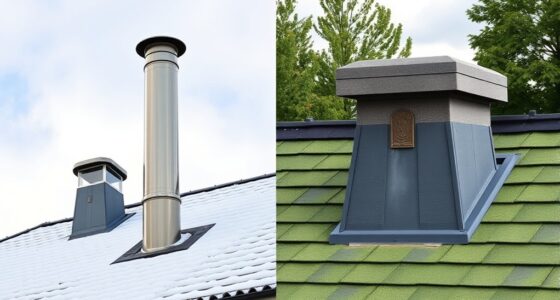
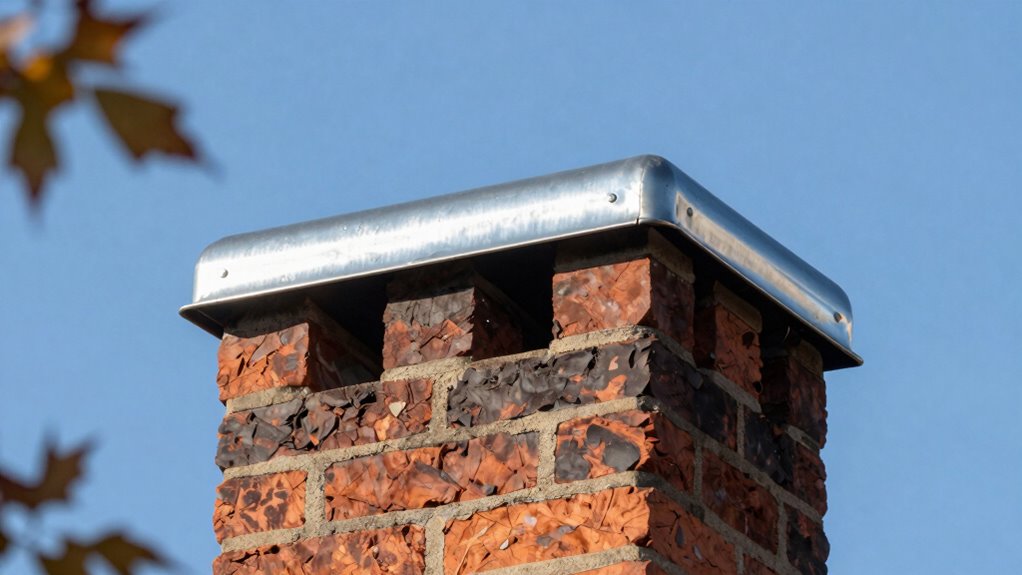
Spring is the perfect time to schedule a chimney check before the next heating season begins. After months of use, your chimney needs attention to keep it safe and efficient. During your inspection, one of the most essential components you should focus on is the chimney cap. This small but critical piece sits atop your chimney, preventing debris, animals, and rain from entering and causing damage or blockages. A damaged or missing chimney cap can lead to serious issues, like water leaks or nesting animals, which can compromise the chimney’s structure. Ensuring your chimney cap is in good condition is a simple step that can save you from costly repairs down the line.
Spring is ideal for checking your chimney cap to prevent damage and costly repairs later.
Another key part of your spring chimney check is a thorough flue inspection. The flue is the passageway that directs smoke and gases out of your home. Over time, creosote buildup, soot, or even obstructions like bird nests can block the flue, creating dangerous conditions when you start up your fireplace again in the fall. By scheduling a professional flue inspection now, you can identify any blockages or damage that could cause smoke to back into your home or, worse, lead to a dangerous chimney fire. A detailed inspection includes checking for cracks, rust, and other deterioration that might compromise the integrity of the flue liner. Additionally, understanding chimney safety** can help you better appreciate the importance of these inspections. Regular inspections are also crucial for detecting hidden hazards**, which are not always visible to the untrained eye but can pose significant risks.
Performing a meticulous inspection during spring also allows you to spot issues early, giving you plenty of time for repairs before the next chilly season. If your chimney needs repairs, such as replacing the cap or relining the flue, you can arrange for those services without rushing. It’s a proactive way to avoid the headache of last-minute fixes when temperatures drop. Proper maintenance, including chimney inspection, can significantly extend the lifespan of your chimney system and prevent unnecessary expenses. Regular upkeep and attention to water damage are also vital, as moisture can cause deterioration over time if not addressed. Plus, a clean, well-maintained chimney improves overall safety and efficiency. It means fewer worries about leaks, drafts, or smoke issues when you light your first fire of fall.
Taking the time now to check your chimney’s cap and conduct a flue inspection isn’t just about maintenance; it’s about peace of mind. You’ll sleep better knowing your chimney is clear, secure, and ready for the colder months ahead. Remember, neglecting these inspections can lead to costly repairs or dangerous situations down the road. So, this spring, make it a priority to have your chimney inspected by a professional. It’s a small investment that can save you a big headache when you’re eager to cozy up by your fireplace come fall.
As an affiliate, we earn on qualifying purchases.
Frequently Asked Questions
How Long Does a Spring Chimney Inspection Typically Take?
A spring chimney inspection usually takes about 30 minutes to an hour, depending on its condition. During this time, you’ll go through a thorough chimney cleaning and follow an inspection checklist to identify any issues. You’ll want to guarantee proper ventilation and check for blockages or damage. This proactive approach helps prevent costly repairs later, saving you headaches and ensuring your chimney’s safety and efficiency before fall use.
Are There Specific Signs That Indicate Chimney Damage After Winter?
You might notice signs like chimney mold or pest intrusion, which are your home’s way of waving red flags. These issues often appear after winter, indicating possible damage. Cracked bricks, crumbling mortar, or a musty smell also suggest trouble. Addressing these early prevents bigger headaches later. Keep an eye out for these signs, and you’ll catch issues before they turn into costly repairs, saving your chimney’s health and your peace of mind.
Do I Need to Hire a Professional for Chimney Checks?
You should hire a professional for chimney checks because they have the right inspection tools and expertise to assess your chimney material thoroughly. DIY inspections might miss hidden damage or structural issues, especially if you’re unfamiliar with chimney construction. A professional can identify problems early, ensuring your chimney’s safety and efficiency. Trusting an expert helps prevent costly repairs later and keeps your home safe during colder months.
What Safety Precautions Should I Take During Chimney Inspection?
Think of chimney inspection as a tightrope walk—balance is key for safety. Always wear gloves and a dust mask to protect against debris and soot. Make sure the fireplace is completely cool before inspecting. Use a sturdy ladder and secure it properly. Keep a flashlight handy for good visibility. Prioritize fireplace safety and chimney maintenance by working carefully, and consider hiring a professional for thorough checks to avoid accidents or damage.
How Often Should Chimney Checks Be Scheduled?
You should schedule chimney checks at least once a year, ideally in spring, to guarantee safety. During these inspections, prioritize chimney cleaning to remove creosote buildup and perform a ventilation assessment to identify blockages or leaks. Regular checks help prevent fire hazards, improve efficiency, and keep your home safe during fall and winter months. Consistent maintenance saves you from costly repairs and potential hazards later on.
Conclusion
By giving your chimney a springtime check, you’re planting the seeds for a worry-free fall. Think of it as tending a garden—care now guarantees a bountiful, trouble-free season ahead. With a quick inspection, you’re clearing away the debris that could cause a chimney blockage or fire. So, take a moment this spring; it’s like opening a window to fresh peace of mind, letting your home breathe easy all season long.
Halloween Picks
halloween
As an affiliate, we earn on qualifying purchases.