
To prevent condensation and tar buildup in flues, ensure your flue is well-insulated so gases stay hot as they rise. Maintain a consistent draft by sealing leaks and keeping connections tight, which helps gases flow smoothly. Regularly clean and inspect your chimney to remove deposits and keep everything functioning safely. Proper ventilation and airflow management also help keep conditions ideal. Keep these tips in mind, and you’ll find ways to protect your system even better.
Key Takeaways
- Insulate the flue properly to retain heat and prevent temperature drops that cause condensation.
- Ensure airtight connections and seal gaps to maintain consistent draft and airflow.
- Regularly clean the chimney to remove tar buildup and improve flue efficiency.
- Maintain proper ventilation and follow manufacturer guidelines for optimal flue temperature.
- Conduct professional inspections to identify and fix issues that may lead to condensation or tar formation.

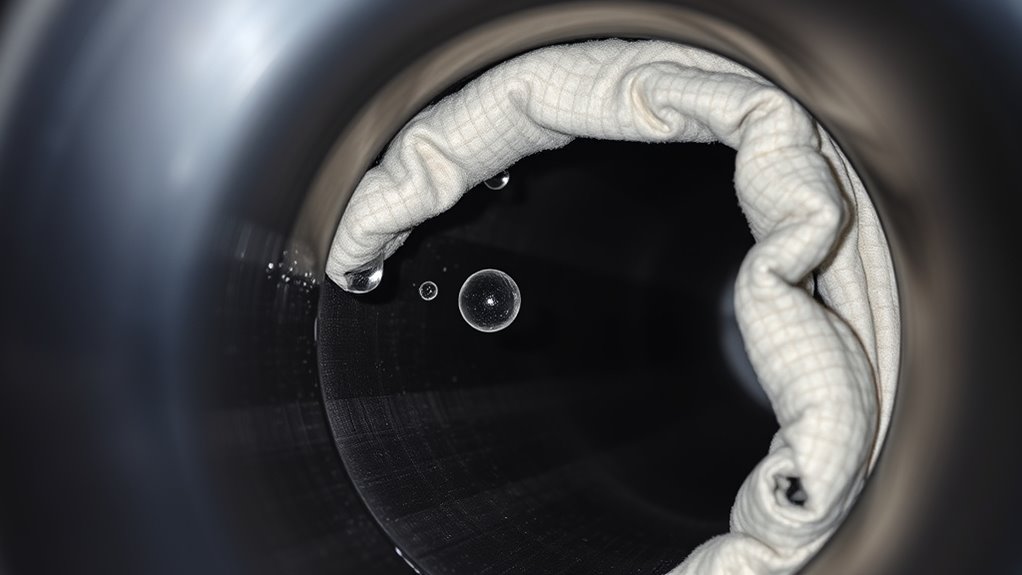
Condensation and tar buildup in flues can cause serious problems if not addressed promptly. These issues not only reduce the efficiency of your heating system but also pose fire hazards and lead to costly repairs. To prevent these problems, you need to focus on maintaining proper flue conditions. One key aspect is guaranteeing adequate flue insulation. Good insulation helps keep the flue gases hot as they rise, which minimizes the temperature difference that causes condensation. When the flue is poorly insulated, cooler air enters, and moisture condenses on the inner walls, creating a breeding ground for tar buildup. Proper flue insulation acts as a barrier, retaining heat and preventing excessive cooling, which ultimately reduces the chances of condensation forming inside the flue. Additionally, ensuring proper ventilation can help in controlling moisture levels and improving overall flue performance.
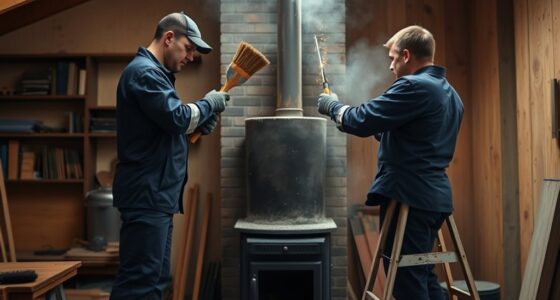
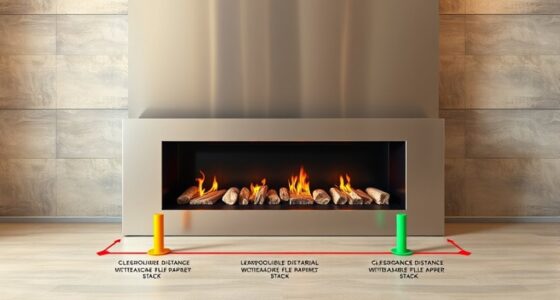
Draft prevention is another essential element in avoiding condensation and tar accumulation. Drafts can disrupt the proper flow of exhaust gases, causing fluctuations in temperature and pressure within the flue. This inconsistency can lead to cooler spots where moisture can settle and condense. By sealing gaps around the flue pipe and ensuring a tight connection between the stove or furnace and the chimney, you improve draft control. This not only enhances safety but also encourages a steady, efficient draft that keeps flue gases moving smoothly upward. When the draft is consistent, the hot gases are less likely to cool prematurely, which means less condensation and tar formation. Proper draft prevention also prevents backdrafts, which can force smoke and moisture back into your living space, creating health hazards and further complicating flue maintenance. Regular maintenance and chimney cleaning are vital to remove existing deposits and maintain optimal performance. Moreover, understanding the insulation requirements can help ensure your flue remains at the correct temperature to prevent condensation and tar buildup effectively.
Proper ventilation and airflow management are crucial in maintaining optimal conditions within the flue system. Always follow manufacturer guidelines for your specific heating appliance and consider professional inspections annually to guarantee your flue system functions at peak performance. Taking these proactive steps helps you avoid costly repairs, improves your home’s safety, and guarantees that your heating system operates at maximum efficiency.
chimney flue insulation kit
As an affiliate, we earn on qualifying purchases.
As an affiliate, we earn on qualifying purchases.
Frequently Asked Questions
Can Condensation Damage My Chimney Structure Over Time?
Yes, condensation can damage your chimney over time. When moisture accumulates, it can cause chimney corrosion, weakening the metal and bricks. This ongoing moisture exposure leads to structural deterioration, making your chimney less stable and potentially unsafe. To protect your chimney, you should guarantee proper ventilation and insulation, which help reduce condensation and prevent long-term damage to your chimney’s structure.
Are There Specific Fuels That Reduce Condensation Risks?
Think of your chimney as a delicate dance partner—choose the right fuel to keep it in step. Some alternative fuel types, like dry, seasoned wood or processed pellets, produce less moisture, reducing condensation risks. To prevent condensation, opt for these cleaner fuels, which burn more efficiently and generate less tar buildup. Your chimney will thank you, performing smoothly and lasting longer when you select fuels that promote proper condensation prevention.
How Does Outdoor Climate Affect Flue Condensation?
Outdoor climate notably affects flue condensation. When outdoor humidity is high, moisture can easily seep into your flue, increasing condensation risk. Temperature fluctuations also play a role; if it’s colder outside and your flue gases are warmer, condensation can form as the gases cool. To minimize this, make sure your flue is well-insulated and maintain consistent heating to reduce temperature swings, protecting your system from moisture buildup.
Is Professional Inspection Necessary for Preventing Tar Buildup?
Yes, professional inspection is necessary to prevent tar buildup. Regular chimney maintenance, including scheduled inspections, helps identify early signs of tar accumulation and other issues. You should have your chimney inspected at least once a year, especially if you use your fireplace frequently. This guarantees your flues stay clear, safe, and efficient, reducing the risk of dangerous blockages or damage caused by tar and creosote buildup.
Can DIY Methods Effectively Eliminate Condensation Issues?
DIY solutions can help with condensation prevention, but they might not fully eliminate condensation issues if underlying problems remain. You can try improving airflow, insulating your flue, and ensuring proper chimney operation. However, if condensation persists or tar buildup worsens, it’s best to seek professional inspection. Proper maintenance and addressing issues early can prevent long-term damage, making professional advice a smart step for effective, lasting results.

Sealegend 30 Feet Chimney Sweep Kit Chimney Brush, Chimney Cleaning Kit and Rotary Chimney Cleaning System, Fireplace Brush Tool with 9 Nylon Flexible Rods
[Button Locking Design] The chimney sweep kit features a beautiful chrome-plated button design that ensures that it will…
As an affiliate, we earn on qualifying purchases.
As an affiliate, we earn on qualifying purchases.
Conclusion
By keeping your flues dry and warm, you prevent condensation from swirling into a steady mist and tar from settling like stubborn soot. Think of your chimney as a clear, open pathway, where moisture and tar are unwelcome guests trying to cling to the walls. With proper maintenance, you’ll guarantee a smooth, unobstructed flow of warmth and smoke, like a gentle breeze guiding flames upward. Protect your home’s heart and keep that chimney singing happily.
draft sealing tape for flues
As an affiliate, we earn on qualifying purchases.
As an affiliate, we earn on qualifying purchases.
professional chimney inspection service
As an affiliate, we earn on qualifying purchases.
As an affiliate, we earn on qualifying purchases.