When choosing between horizontal and vertical pellet stove ventilation, think about your home’s layout and installation ease. Horizontal vents run straight through exterior walls and are simpler to set up but may be more prone to weather-related issues. Vertical vents go through the roof, offering better draft and efficiency, but cost more and need roof modifications. Both systems require proper sealing and regular maintenance to make certain of safety and efficiency—keep exploring to discover which option best suits your needs.

Get backup power and energy gear delivered free with Prime
- Fast, free delivery on millions of items
- Prime Video, Amazon Music and more included
- Member-only deals all year
Key Takeaways
- Vertical vents typically provide better draft and efficiency due to roof penetration, while horizontal vents are easier to install in existing structures.
- Horizontal venting minimizes structural modifications but requires careful sealing to prevent leaks and weather issues.
- Vertical venting involves roof penetration, which can be more complex and costly but offers improved airflow and safety.
- Regular maintenance and cleaning are essential for both systems to prevent blockages, creosote buildup, and ensure safety.
- The choice depends on home layout, installation costs, and maintenance considerations, with safety and efficiency guiding the decision.

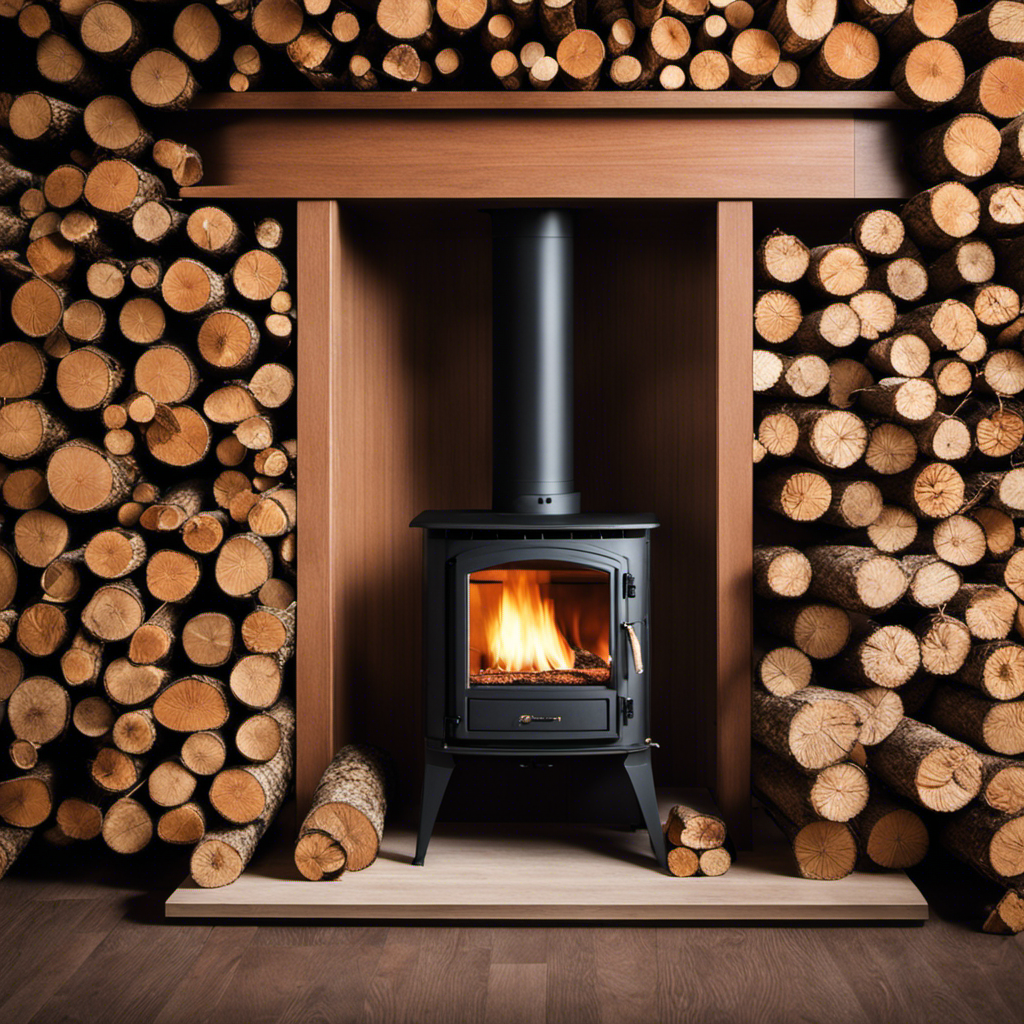
Proper ventilation is essential for safe and efficient operation of your pellet stove. When setting up your stove, you need to pay close attention to how you install the chimney and venting system to guarantee optimal performance and safety. Choosing between horizontal and vertical vents impacts how you manage chimney installation and venting safety, so understanding the differences is crucial.
Proper chimney and venting installation is vital for safe, efficient pellet stove operation.
Horizontal venting involves running the vent pipe straight out through a wall, usually with a slight downward or upward slope to prevent backdrafts. This type of venting is often easier to install, especially in existing homes where running a vertical pipe might be complicated or require significant structural changes. However, it can be more susceptible to blockages or buildup of soot and creosote within the pipe, which makes regular cleaning essential for venting safety. Proper chimney installation for horizontal vents demands careful sealing around the pipe to prevent leaks and ensure that exhaust gases don’t leak into your living space. Since the pipe runs through the wall, you also need to consider weatherproofing and insulation, especially in colder climates, to prevent condensation and improve venting safety.
Vertical venting, on the other hand, involves installing the pipe straight up through the roof. This method typically offers better draft and more efficient venting because of the natural upward flow of gases. It also minimizes the risk of blockages since the pipe is less likely to collect debris. With vertical venting, chimney installation tends to be more straightforward in terms of airflow, but it requires roof penetration, which can be more complex and costly. Ensuring proper sealing around the roof penetration is vital for venting safety, as leaks can cause moisture damage or allow dangerous gases to escape into your home. Additionally, a well-designed vertical vent system encourages better draft, helping your pellet stove operate more efficiently and reducing the risk of smoke or odor issues.
In either case, maintaining venting safety is non-negotiable. You need to inspect your vent system regularly, regardless of whether you choose horizontal or vertical venting, to prevent buildup and ensure that your chimney installation remains secure. Properly installed and maintained venting systems reduce the risk of dangerous carbon monoxide leaks and help your pellet stove run smoothly. Ultimately, your choice depends on your home’s layout, installation preferences, and budget, but always prioritize proper installation and ongoing maintenance for safe, efficient operation.
pellet stove vent pipe horizontal
As an affiliate, we earn on qualifying purchases.
As an affiliate, we earn on qualifying purchases.
Frequently Asked Questions
Can Horizontal Vents Be Installed in Exterior Walls?
Yes, you can install horizontal vents in exterior walls. When choosing vent placement, guarantee the vent is properly directed away from windows and doors to prevent smoke or fumes from entering your home. Make sure the exterior wall is suitable for venting, and follow local codes for safety. Proper installation of horizontal vents helps maintain efficient airflow and safe operation of your pellet stove.
Which Vent Type Is More Energy-Efficient?
Like a well-tuned engine, a vertical vent is more energy-efficient because it enhances ventilation efficiency and reduces heat loss. You’ll notice better energy savings with vertical setups, as they promote better airflow and exhaust. Horizontal vents, while easier to install, can sometimes compromise efficiency due to longer or more complex pathways. So, if you’re aiming for peak energy savings, a vertical vent is your best bet for maintaining high ventilation efficiency.
Are Vertical Vents Suitable for All Pellet Stove Models?
Vertical vents aren’t suitable for all pellet stove models because vent system compatibility varies. Before installation, you need to take into account your stove’s design and the specific installation considerations, such as available space and chimney setup. Check your stove’s manufacturer instructions to ensure vertical venting is compatible. If it’s not, horizontal vents might be a better option, but always verify with a professional to ensure safe and efficient operation.
How Do Ventilation Choices Affect Indoor Air Quality?
Your ventilation choice directly impacts indoor air quality and ventilation efficiency. Vertical vents typically improve airflow and exhaust combustion gases more effectively, reducing indoor air pollution. Horizontal vents may sometimes limit airflow, potentially leading to poorer indoor air quality if not properly installed. Always guarantee your venting system is well-designed and maintained to promote clean indoor air, preventing harmful fumes from accumulating and enhancing overall ventilation efficiency.
What Are the Maintenance Requirements for Each Vent Type?
You need to regularly inspect and clean your vents, regardless of type. For horizontal vents, check for blockages and debris, ensuring proper venting and airflow. Vertical vents require periodic vent cleaning to prevent buildup and guarantee peak operation. Both types benefit from air filtration systems that reduce dust and creosote; maintaining these filters keeps your pellet stove running efficiently and extends its lifespan. Consistent maintenance keeps your indoor air quality high and your stove safe.
Conclusion
When choosing between horizontal and vertical vents for your pellet stove, consider your space and installation needs carefully. Both options can keep your home warm and cozy, but the right choice can make your setup feel as effortless as breathing. Don’t settle for less—your comfort and safety depend on it. Picking the right ventilation isn’t just a detail; it’s the backbone of a safe, efficient heating system that transforms your home into a haven against the coldest nights.
Fall Picks
fall essentials
As an affiliate, we earn on qualifying purchases.