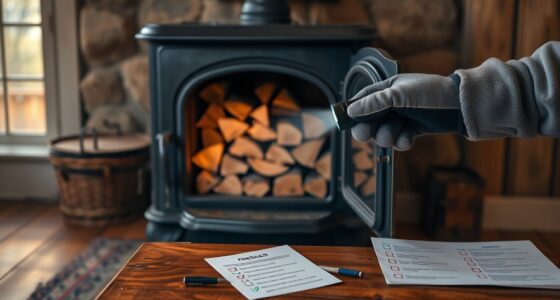
Managing moisture content is key to ensuring safety and lowering emissions indoors. Excess moisture promotes mold growth, which can cause respiratory issues and damage surfaces, while high humidity contributes to electrical hazards and structural deterioration. Moisture also increases emissions of volatile organic compounds (VOCs) from materials, affecting air quality. By controlling humidity levels through good ventilation, sealing, and moisture monitoring, you can create a safer, healthier environment. Keep going to discover more ways moisture impacts your safety and emissions.
Key Takeaways
- Excess moisture promotes mold growth, which can release airborne spores and volatile compounds affecting indoor air quality.
- High humidity levels can lead to corrosion of electrical systems, increasing fire and electrical hazards.
- Moisture-damaged building materials may emit harmful gases as they deteriorate, impacting indoor safety and emissions.
- Elevated moisture content can weaken structures, risking collapses and accidents that compromise safety.
- Proper moisture control reduces the risk of mold, corrosion, and structural damage, thereby minimizing associated safety and emission hazards.
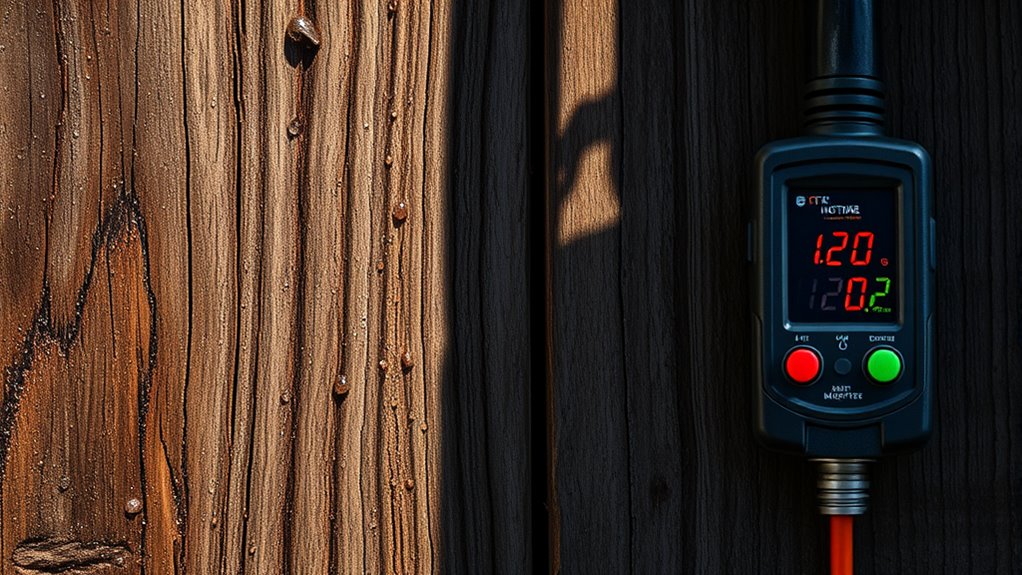
Have you ever wondered how moisture content affects safety in your home or workplace? Moisture levels play a vital role in maintaining a safe environment, and understanding this connection can help you prevent potential hazards before they arise. When moisture levels are too high, the risk of accidents, damage, and health issues increases considerably. Properly managing moisture is essential for hazard prevention, especially in areas prone to dampness or humidity.
High moisture content creates an ideal environment for mold and mildew to thrive. These fungi not only damage surfaces like walls, wood, and furniture but also pose serious health risks, such as respiratory problems and allergies. When mold spores become airborne, they can lead to persistent health issues, especially for vulnerable individuals. By keeping moisture levels in check through good ventilation, dehumidifiers, and regular inspections, you can drastically reduce the chances of mold growth and protect the health of everyone in the space.
High moisture promotes mold growth, risking health and damaging surfaces—control humidity to keep your environment safe and healthy.
Excess moisture also weakens building materials, making structures less stable and more prone to damage. Wood, drywall, and even concrete can deteriorate faster when exposed to persistent dampness. Over time, this degradation can lead to structural failures, increasing the likelihood of accidents like collapses or falls. Preventing this kind of damage involves monitoring moisture levels consistently and addressing any leaks or water intrusion immediately. Doing so not only safeguards the integrity of the building but also minimizes the risk of accidents caused by weakened materials.
Electrical hazards are another concern linked to moisture content. Water and humidity can cause short circuits, corrosion, and electrical fires if wiring isn’t properly protected or maintained. Moisture can seep into outlets, switches, and wiring systems, increasing the chance of electrical failure. Regular inspections and ensuring good sealing around electrical components help prevent these issues and keep your environment safe. Using moisture-resistant electrical fixtures in damp areas also contributes to hazard prevention.
Furthermore, high moisture content can lead to slippery surfaces from condensation or water accumulation, increasing slip-and-fall accidents. This is especially problematic in workplaces or homes with tiled, wooden, or polished floors. Simple measures like installing proper drainage, using slip-resistant mats, and promptly cleaning up spills can considerably reduce these risks. Ensuring your space has appropriate humidity control helps maintain safe walking surfaces and overall hazard prevention. Additionally, measuring moisture levels regularly can help identify problem areas before hazards develop.
Frequently Asked Questions
How Does Moisture Content Influence the Risk of Fire Outbreaks?
Higher moisture content reduces the risk of fire outbreaks because moisture evaporation cools materials and prevents ignition. When you control moisture levels, you enhance fire prevention by keeping combustible surfaces damp and less likely to ignite. Conversely, low moisture increases the chance of fire, so regularly monitoring and maintaining adequate moisture helps safeguard your environment, making it less susceptible to accidental fires and improving overall safety.
Can High Moisture Levels Lead to Toxic Gas Emissions?
Yes, high moisture levels can lead to toxic gas emissions because moisture stability influences chemical reactions. When moisture is excessive, it can cause certain materials to break down or react unpredictably, releasing harmful gases. These reactions often produce toxic substances, posing safety risks. Thus, maintaining proper moisture levels is essential to prevent dangerous emissions and guarantee safety, especially in environments where chemical stability is critical.
What Moisture Thresholds Are Considered Hazardous for Safety?
You should keep moisture levels below 10% according to safety standards, as higher moisture measurement can create hazardous conditions. When moisture exceeds this threshold, the risk of mold growth, electrical hazards, and corrosion increases, compromising safety. Regularly monitor moisture content with proper measurement tools to guarantee it stays within safe limits. Staying within these safety standards helps prevent dangerous emissions and maintains a safe environment.
Does Moisture Content Impact the Effectiveness of Safety Equipment?
Moisture impact can be like a hidden fog, quietly dulling the sharpness of your safety equipment. When moisture seeps in, it can cause safety gear to falter, reducing their ability to protect you effectively. High moisture levels can corrode sensors, hinder alarms, or block ventilation, making your safety equipment less reliable. Staying vigilant about moisture guarantees your safety gear remains a steadfast shield, ready to protect when it matters most.
How Quickly Can Moisture-Related Safety Issues Develop?
Moisture accumulation can cause safety issues within hours or days, especially if it leads to corrosion risks. As moisture builds up, metal parts may deteriorate quickly, compromising safety equipment and increasing the chance of failures. You should regularly monitor your systems, especially in humid environments, to detect early signs of moisture-related problems. Addressing moisture promptly helps prevent corrosion risks and maintains ideal safety standards.
Conclusion
So, next time you’re tempted to skip drying your materials, remember: a little moisture keeps you safe—unless you enjoy playing Russian roulette with fire hazards and toxic fumes. Ignoring moisture content isn’t just reckless; it’s practically a free ticket to safety’s worst nightmare. So, embrace that dampness, or better yet, dry it out. After all, who needs safety when you can have a fiery, smoky disaster instead? Choose wisely—your lungs and lungs will thank you.

Terra grew up with a soul deeply connected to nature. Her earliest memories are of sun-drenched meadows, whispering woods, and the rhythmic dance of waves on a moonlit night. Every gust of wind, rustling leaf, and distant horizon beckoned her with tales waiting to be told.