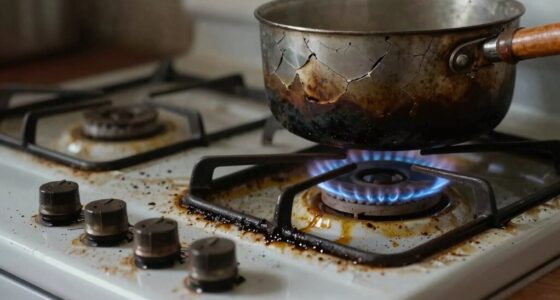
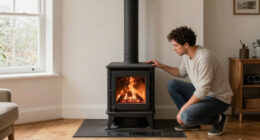
If your flame looks lazy or weak, it likely means incomplete combustion, which releases more soot, carbon monoxide, and other pollutants into your indoor air. This buildup of pollutants can cause health issues like eye, nose, throat irritation, and long-term problems. Poor airflow and improper fuel use can also make flames less vigorous. Keep your flames strong and efficient to reduce indoor pollution. Want to know how to improve your flame quality and breathe cleaner air?

Get backup power and energy gear delivered free with Prime
- Fast, free delivery on millions of items
- Prime Video, Amazon Music and more included
- Member-only deals all year
Key Takeaways
- Lazy flames indicate incomplete combustion, leading to higher emissions of soot and pollutants indoors.
- Inefficient burning releases more carbon monoxide and particulate matter, degrading indoor air quality.
- Soot deposits from lazy flames settle on surfaces and suspend in the air, increasing health risks.
- Poor airflow and maintenance contribute to lazy flames, resulting in dirtier indoor environments.
- Improving flame vigor enhances combustion efficiency and reduces indoor air pollution.
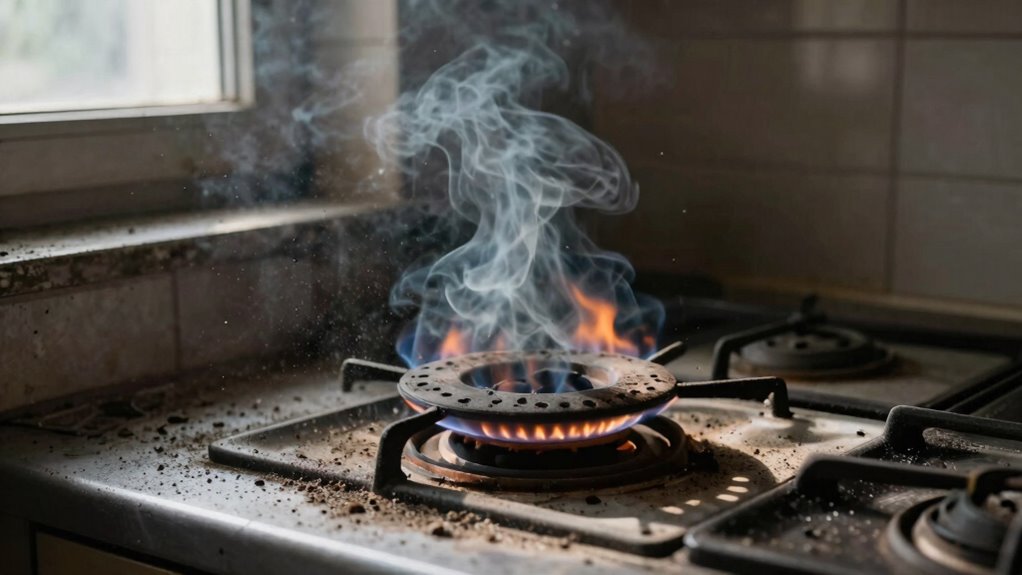
Have you ever wondered how your fireplace or stove’s flame might affect the air inside your home? It’s a good question, especially since many of us enjoy the cozy ambiance of a lazy, flickering fire without giving much thought to what’s happening behind the scenes. The way your flame burns directly influences your indoor air quality, and understanding this connection can help you make smarter choices about heating and ventilation. When the flame burns lazily or inefficiently, it often produces more combustion byproducts—things like soot, carbon monoxide, and other pollutants—that can linger in your indoor environment. These pollutants are invisible to the naked eye but can have real health impacts over time, especially for children, the elderly, or anyone with respiratory issues.
A lazy flame usually means incomplete combustion. Instead of burning fuel cleanly, it releases a higher amount of combustion byproducts into the air. This happens because the flame isn’t reaching the right temperature or the airflow isn’t sufficient, leading to inefficient burning. When combustion isn’t complete, you’re more likely to see soot deposits on your fireplace or stove, and you might notice a stronger smell of smoke or chemicals. Over time, these particles can settle on surfaces, but they also stay suspended in the air, degrading overall air quality. Breathing in these tiny particles and gases can cause irritation of your eyes, nose, and throat, and may contribute to more serious health problems if exposure continues over years.
Having a lazy, poorly burning flame also increases the risk of higher levels of carbon monoxide—a colorless, odorless gas that poses serious health hazards. Unlike the visible smoke you might see from a properly burning fire, carbon monoxide is harder to detect but equally dangerous. When combustion is inefficient, more of this gas can accumulate indoors, especially if your home isn’t well-ventilated. This makes proper operation of your stove or fireplace crucial for maintaining good air quality. Ensuring that your fire burns with a lively, vigorous flame helps promote complete combustion, reducing the amount of harmful byproducts released into your home. Regular maintenance, proper airflow, and using the right fuel can all contribute to a cleaner, healthier indoor environment. Proper combustion is essential not only for energy efficiency but also for indoor safety.
A vigorous fire reduces carbon monoxide risk and promotes cleaner, healthier indoor air.
Understanding combustion efficiency can help you take steps to improve your fireplace’s performance and indoor air quality. Additionally, using adequate ventilation can significantly reduce the buildup of harmful gases and particles inside your home, ensuring a safer and healthier environment. Moreover, proper fuel selection can also influence how efficiently your fire burns and the amount of pollutants it produces, further supporting healthier indoor air. Properly operating and maintaining your fireplace or stove not only enhances its longevity but also minimizes pollutant emissions, contributing to a safer living space.
In the end, if you want to keep your home’s air clean and safe, pay attention to your fire’s flame. A lively, strong flame means better combustion, fewer pollutants, and healthier indoor air for you and your family.
As an affiliate, we earn on qualifying purchases.
Frequently Asked Questions
How Do Lazy Flames Develop in Indoor Fireplaces?
Lazy flames develop in indoor fireplaces when there’s poor combustion, often due to inadequate airflow or debris buildup. You can spot this during fireplace maintenance by observing the flame color; yellow or orange flames indicate incomplete combustion. Regularly cleaning your fireplace and performing flame color analysis helps guarantee proper airflow, promoting vigorous flames and cleaner indoor air. Addressing lazy flames promptly improves efficiency and reduces indoor air pollution.
Can Lazy Flames Affect Energy Efficiency?
Lazy flames can reduce your energy savings because they indicate poor combustion efficiency. For example, if your fireplace’s flames are low and yellow, it’s likely not burning fuel effectively, wasting energy. This inefficiency means you need more fuel to generate the same heat, increasing costs. By maintaining proper airflow and cleaning your fireplace, you improve combustion efficiency, ensuring your system runs at its best and saves you money in the long run.
Are There Specific Pollutants Released by Lazy Flames?
Lazy flames can release specific pollutants like chemical emissions and particulate matter into your indoor air. When flames burn inefficiently, incomplete combustion occurs, producing these pollutants that can irritate your respiratory system and worsen indoor air quality. You might notice increased dust or soot, and prolonged exposure could lead to health issues. Ensuring your flames burn properly helps minimize these pollutants, keeping your indoor air cleaner and safer.
How Often Should I Inspect My Fireplace for Lazy Flames?
You should inspect your fireplace for lazy flames at least once a month to guarantee proper fireplace maintenance and safety precautions. Regular checks help you spot issues like soot buildup or blockages that can lead to inefficient burning and increased indoor air pollution. Keep an eye on flame activity, and if flames appear dull or uneven, it’s time for a professional cleaning. Consistent inspections keep your fireplace safe and functioning efficiently.
Do Lazy Flames Impact Indoor Humidity Levels?
Lazy flames can impact indoor humidity levels indirectly by reducing combustion efficiency. When flames aren’t burning properly, your fireplace may produce less heat and more pollutants, affecting indoor air quality. Inefficient combustion can also cause excess moisture and humidity to linger because the fire isn’t fully drying out the air. To maintain healthy indoor humidity and good air quality, make sure your fireplace’s flames are active and efficient.
Conclusion
So, next time you notice lazy flames on your stove, remember they could be polluting your indoor air more than you think. Studies show that improperly burning fires can increase indoor air pollution by up to 30%, putting your health at risk. Keep those flames burning brightly and efficiently to breathe cleaner air. Taking simple steps now can make a big difference in your home’s air quality—don’t wait until it’s too late to improve your indoor environment.
Halloween Picks
halloween
As an affiliate, we earn on qualifying purchases.