
To install a carbon monoxide detector near your stove, position it at least 15 feet away to prevent false alarms, ideally at eye level or about 5 feet from the floor for accurate readings. Mount it firmly on a wall or ceiling, avoiding areas with heat, humidity, or dust. Make certain it’s accessible for testing and battery changes. Following these guidelines enhances safety, and exploring further will show you how to optimize placement for real protection.
Key Takeaways
- Mount the detector at least 15 feet away from the stove to prevent false alarms caused by cooking fumes.
- Position the detector at eye level or about 5 feet from the floor for accurate CO detection.
- Avoid installing near heat sources, humidity, or dust to ensure sensor effectiveness.
- Follow local building codes for placement requirements, typically on every home level near bedrooms and kitchens.
- Regularly test the detector monthly and replace batteries annually to maintain safety and functionality.
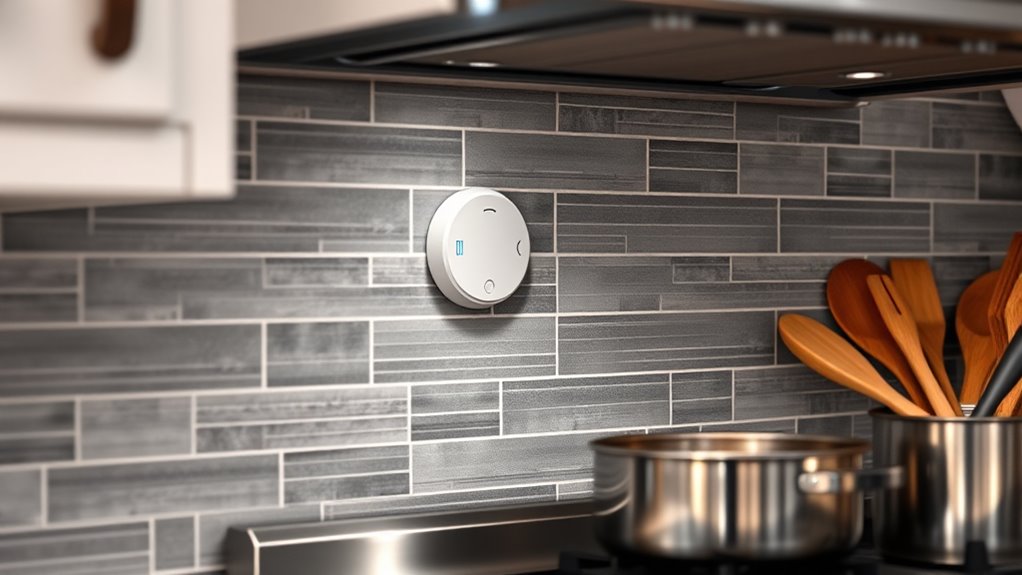
Installing a carbon monoxide detector is an essential step in protecting your home and family from the dangers of CO poisoning. When placing a detector near your stove, proper sensor placement is vital to make certain it effectively detects any harmful buildup of carbon monoxide. You should position the sensor at least 15 feet away from the stove to avoid false alarms caused by normal cooking fumes and steam. Keep the detector mounted at eye level or on the wall about 5 feet from the floor, as CO mixes evenly with the air and this height provides the most accurate readings. Remember, the placement of your detector isn’t just about convenience—it’s about safety, and following these guidelines maximizes protection.
Beyond sensor placement, you also need to contemplate legal requirements in your area. Local building codes often specify where and how many CO detectors you must install in your home, especially near potential sources like your stove. These regulations are designed to guarantee that detectors are placed in ideal locations for early warning, and ignoring them could mean your home isn’t compliant during inspections or in the event of a safety review. For example, many jurisdictions require detectors to be installed on every level of your home, particularly near bedrooms and cooking areas. Staying informed about and adhering to these legal standards helps you avoid penalties and guarantees your safety measures are up to code.
When installing, make sure the detector is firmly mounted on the wall or ceiling, avoiding areas where it could be obstructed or exposed to direct heat, humidity, or dust. Installing the detector too close to the stove might lead to frequent false alarms, so maintaining the recommended distance is key. Also, choose a location that allows easy access for testing and battery replacement, ensuring the device remains operational at all times. Regular maintenance—testing the unit monthly and replacing batteries annually—is just as important as initial placement. This guarantees your detector remains sensitive and reliable, providing peace of mind.
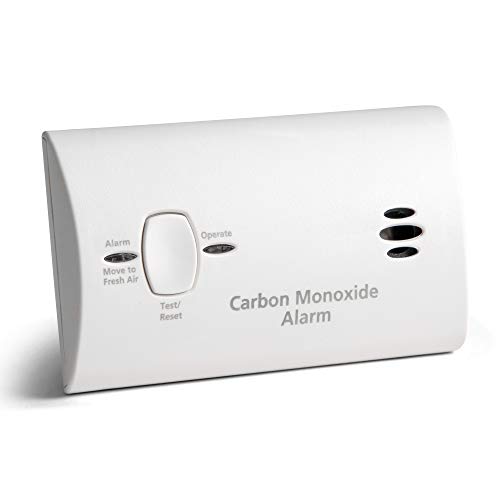
Kidde Carbon Monoxide Detector, AA Battery Powered, Portable for Travel or Home, 85 dB Alarm, LED Status Indicators, 3rd Edition
Electrochemical sensor technology detects CO gas
As an affiliate, we earn on qualifying purchases.
As an affiliate, we earn on qualifying purchases.
Frequently Asked Questions
How Often Should I Test My Carbon Monoxide Detector?
You should test your carbon monoxide detector at least once a month to make certain proper detector maintenance. Regular alarm testing helps verify that the device is functioning correctly and ready to alert you in case of danger. Remember to follow the manufacturer’s instructions during tests, and replace batteries annually or as needed. Staying consistent with alarm testing keeps you safe and ensures your detector is always prepared to warn you of CO leaks.
Can I Use a Portable Detector Instead of a Fixed One?
Did you know that fixed carbon monoxide detectors are proven to be more reliable? You can use a portable detector instead of a fixed one, especially for temporary needs or testing different areas. Portable detectors are convenient and easy to move, but fixed detectors offer continuous monitoring and are more effective in your home. For safety, installing both provides extensive protection against CO buildup.
What Should I Do if the Detector Alarms Frequently?
If your detector alarms frequently, don’t ignore it. False alarms can happen, often caused by cooking fumes or low batteries. First, ventilate the area well using exhaust fans or open windows. Check and replace batteries regularly. If the alarm persists, move the detector to improve airflow or consider replacing it. Always take alarms seriously—evacuate if you suspect CO presence and call emergency services. Proper ventilation tips can help reduce false alarms.
Is It Safe to Install a Detector Near the Stove?
Yes, it’s safe to install a carbon monoxide detector near your stove, but you should prioritize proper ventilation safety and appliance placement. Keep the detector at least 15 feet away from the stove to prevent false alarms caused by cooking fumes. Guarantee good airflow in your kitchen, and avoid placing the detector too close to heat sources or vents. This setup helps protect you while maintaining accurate detection of carbon monoxide.
Do All Carbon Monoxide Detectors Require Battery Replacement Annually?
Coincidences happen when you forget to change batteries, and your detector fails to alert you. Not all carbon monoxide detectors require annual battery replacements; some have long-life lithium batteries that last up to 10 years. Still, regular detector maintenance, including testing and replacing batteries as needed, is vital for safety. Check your detector’s manual to understand its battery life and guarantee it’s functioning properly to keep your home safe.

2 Packs Carbon-Monoxide-Detectors and Explosive-Gas-Detectors-Alarm,4-in-1 Plug-in Real-time Display and Monitor CO/Natural Gas/LPG/LNG,Gas Leak Detector and °F/Humidity with 4 Sensors for Home,RV
Upgraded with 4 sensors: high reliability, high sensitivity, high accuracy.
As an affiliate, we earn on qualifying purchases.
As an affiliate, we earn on qualifying purchases.
Conclusion
By installing a carbon monoxide detector near your stove, you’re taking a crucial step to protect your home and loved ones. Remember, safety isn’t just a choice—it’s a responsibility. Think of the detector as your silent guardian, always watching, always alert. Don’t wait for danger to knock; be proactive and guarantee peace of mind. After all, a safe home is a happy home—shielded by awareness, secured by your action.
Kidde Carbon Monoxide Detector, AA Battery Powered, Portable for Travel or Home, 85 dB Alarm, LED Status Indicators, 3rd Edition
Electrochemical sensor technology detects CO gas
As an affiliate, we earn on qualifying purchases.
As an affiliate, we earn on qualifying purchases.
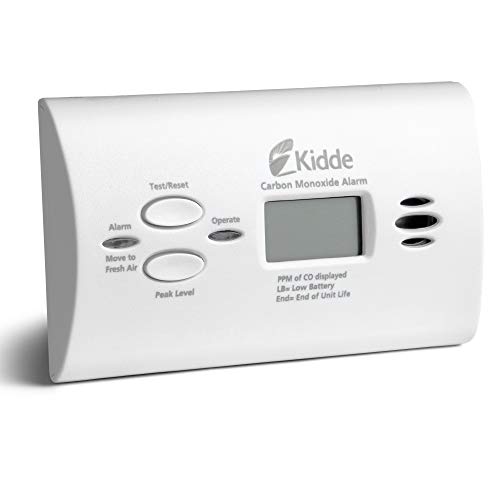
Kidde Carbon Monoxide Detector, AA Battery Powered CO Alarm with LEDs, Test-Reset Button, Low Battery Indicator, Portable
Electrochemical sensor technology detects CO gas
As an affiliate, we earn on qualifying purchases.
As an affiliate, we earn on qualifying purchases.