
A dependable home energy plan is not built around a single appliance or fuel. It combines efficiency, everyday heating, electrical supply, backup options, safe installation, and realistic fuel storage. Solar panels may reduce reliance on utility electricity, while batteries and generators can keep selected circuits operating during an outage. Wood, coal, corn, and alcohol appliances serve different heating or cooking needs, particularly in cabins, rural homes, and locations where grid interruptions are common.

Get backup power and energy gear delivered free with Prime
- Fast, free delivery on millions of items
- Prime Video, Amazon Music and more included
- Member-only deals all year
The best system depends on your climate, property, budget, available fuels, and tolerance for maintenance. A suburban household may prioritize rooftop solar and battery storage. A rural homeowner might combine solar electricity with a wood stove and a generator. A seasonal cabin may need only modest electrical loads, reliable space heating, and a cooking method that does not depend entirely on the grid. This hub explains how the pieces fit together and directs you to deeper guides for specific decisions.
Start With Your Household’s Energy Needs
Before choosing equipment, understand where your energy goes. Electricity typically supports lighting, refrigeration, electronics, pumps, ventilation, and household appliances. Heating, water heating, and cooking may use electricity or separate fuels. Treating all of these demands as one large load can produce an expensive, complicated backup system. Dividing them into essential and nonessential loads makes planning more practical.
Identify essential electrical loads
During a power outage, most households do not need to operate everything normally. Essential loads might include a refrigerator, well pump, medical equipment, internet hardware, selected lights, and heating controls. Large resistance heaters, electric ovens, clothes dryers, and central air conditioners can demand much more power. Whether they belong in a backup plan depends on system capacity and the household’s priorities.
- List each device that must remain available during an outage.
- Record its running wattage and any higher startup requirement.
- Estimate how many hours per day it needs to operate.
- Separate critical loads from conveniences that can be temporarily avoided.
- Account for seasonal differences in heating, cooling, and daylight.
This simple inventory helps with solar array sizing, battery planning, generator selection, and decisions about non-electric heating or cooking. It also reveals where insulation, efficient lighting, appliance upgrades, and changes in daily habits could reduce demand before new equipment is purchased.
As an affiliate, we earn on qualifying purchases.
Build Efficiency Into the Foundation
Energy efficiency is often the least complicated place to begin. Air sealing, suitable insulation, maintained weatherstripping, and sensible thermostat settings can reduce the amount of energy required to keep a building comfortable. In summer, shading and controlled ventilation may limit heat gain. In winter, reducing drafts and improving the building envelope can help any heating appliance serve the space more effectively.
Efficiency matters especially in solar and backup systems because every avoided watt reduces the burden on panels, batteries, inverters, or generators. It also matters when heating with solid fuel. A poorly sealed building may consume fuel quickly and still feel uncomfortable, while a better-performing structure can retain useful heat longer. Building improvements and energy equipment should therefore be considered together rather than as unrelated projects.
Understand What Home Solar Can and Cannot Do
A grid-connected solar array produces electricity when sunlight is available and may offset energy purchased from the utility. Its output changes with the season, weather, roof orientation, shading, and system design. Solar production also does not automatically mean the home will have electricity during a grid outage. Many grid-tied systems shut down unless they include compatible equipment designed to operate safely when utility power is unavailable.
Solar panels, inverters, and batteries
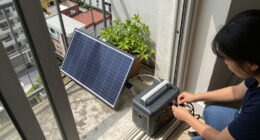
Panels generate direct-current electricity. An inverter converts it into the form used by household circuits. A battery stores energy for later use, while charge-control and energy-management equipment coordinate how power moves through the system. Some installations back up only a dedicated group of essential circuits; others are designed for broader household coverage.
Battery capacity and inverter power are separate considerations. Capacity affects how long stored energy can support a load, while inverter capability affects which loads can run at once. A battery may store enough energy for overnight essentials yet still be unsuitable for starting a demanding motor or operating several large appliances simultaneously. A qualified system designer can evaluate these constraints alongside local electrical and interconnection requirements.
Plan around variable production
Solar is most useful when consumption can follow production. Flexible tasks such as charging devices, pumping water, or running certain appliances can be scheduled for sunnier periods. Batteries can shift some energy into the evening, but storage is finite. During extended poor weather, households may need to conserve electricity, use another charging source, or accept reduced service.
Create a Layered Backup Power Strategy
Backup resilience improves when no single device is expected to solve every problem. A modest battery can provide quiet, automatic support for electronics and lighting. Solar may recharge it during daylight. A generator can offer additional energy during a prolonged outage, provided it is operated and connected correctly. A non-electric stove can reduce the electrical system’s heating or cooking burden.
- Short interruption: battery-supported essential circuits may be sufficient.
- Day-long outage: solar production and active load management become more important.
- Multi-day outage: stored fuel, generator access, and non-electric heat may be valuable.
- Winter emergency: safe heating and protection of plumbing may take priority.
- Summer emergency: refrigeration, ventilation, and medical needs may dominate.
Generators must never be operated where exhaust can enter occupied spaces. Connection to household wiring requires appropriate transfer equipment so power cannot feed back onto utility lines. Fuel must be stored in suitable containers and managed according to applicable safety rules. Carbon monoxide alarms, smoke alarms, fire extinguishers, and a household outage procedure are fundamental parts of the plan.
Choose a Heating Fuel That Fits the Property
Solid-fuel heating can provide warmth without relying on electric resistance heat, but each fuel involves tradeoffs. Consider local supply, storage space, appliance requirements, chimney or venting needs, ash handling, routine cleaning, and the amount of daily attention the system requires. Also check local codes, insurance conditions, and manufacturer instructions before committing to an installation.
Wood heat for homes and smaller spaces
Wood stoves are available in different sizes and configurations, so matching the appliance to the building matters. An oversized stove may be difficult to operate comfortably in a compact room, while an undersized appliance may not meet the heating demand of a larger or poorly insulated space. Start with the site’s guide to choosing a small wood stove for efficient heating if floor space and moderate output are priorities.
For a defined residential area, the guide to selecting a wood stove for a 1,000-square-foot space provides a more focused comparison. Square footage is only a starting point: ceiling height, insulation, layout, climate, window area, and the location of the stove all affect heat distribution.
Remote and seasonal buildings bring additional concerns, including cold starts, limited supervision, compact layouts, and variable fuel access. The overview of the best wood stove options for a cabin can help frame those decisions. Any installation still needs suitable clearances, floor protection, venting, and inspection under the rules that apply at the property.
Corn and coal as alternative heating fuels
Corn appliances may appeal where suitable fuel is readily available and dry storage is practical. They differ from traditional log-burning stoves in fuel handling and operating requirements. The corn stove guide explores this category and the factors to consider when comparing appliances.
Coal offers a different storage, combustion, and ash-management experience. Fuel type and appliance compatibility must be treated carefully, and regional supply can shape whether coal is a realistic choice. Readers considering it can use the coal stove heating guide as a starting point before reviewing local regulations and installation requirements.
Plan for Cooking When Electricity Is Limited
Cooking is easy to overlook in an outage plan. A solar-battery system may operate small kitchen devices if capacity permits, but high-wattage cooking appliances can consume stored energy quickly. A layered plan might include shelf-stable foods, a safe outdoor cooking option, and a permanent non-electric appliance where the property supports one.
Wood-burning cook stoves
A wood cook stove can combine cooking with space heating, but it requires more planning than a portable emergency burner. Placement, chimney design, clearances, fuel preparation, and summer heat are important considerations. The guide to choosing a wood-burning cook stove introduces available approaches for households interested in this traditional form of energy independence.
Alcohol stoves for limited tasks
Compact alcohol stoves may suit simple cooking tasks in appropriate settings, but fuel selection, ventilation, stability, and fire safety require attention. Different stove designs may specify different fuels, so compatibility should be confirmed rather than assumed. Consult the guide to the best fuel for an alcohol stove before choosing or storing fuel, and always follow the appliance manufacturer’s directions.
Maintain Heating and Backup Equipment
Resilience depends on equipment working when it is needed. Solar panels should be observed for damage or unusual shading, while battery and inverter status should be checked according to the manufacturer’s maintenance schedule. Generators benefit from periodic inspection, suitable fuel management, and safe test operation. Transfer equipment and critical-load panels should remain clearly labeled.
Stoves and chimneys require their own maintenance routine. Inspect seals, firebrick, baffles, connectors, chimney components, and protective surfaces as applicable. Ash must be handled in a noncombustible container and kept away from combustible materials because apparently cold ash can retain heat. Chimney inspection and cleaning frequency should reflect the appliance, fuel, use pattern, and professional guidance.
Surface care is partly cosmetic and partly protective. Ordinary household coatings are not automatically suitable for stove temperatures. If a stove’s finish needs renewal, review the guide to high-temperature wood stove paint, then confirm that any coating is compatible with the stove material and follow its preparation, ventilation, curing, and safety instructions.
Turn Separate Components Into One Practical System
A strong home energy plan begins with lower demand, protects essential electrical loads, and provides safe alternatives for heat and cooking. Solar can contribute everyday electricity, batteries can bridge interruptions, and generators can extend backup duration. Solid-fuel appliances may reduce dependence on electricity, but they introduce fuel, venting, maintenance, and fire-safety responsibilities.
Work from household needs rather than buying disconnected equipment. Document electrical loads, assess the building envelope, identify locally available fuels, and decide how long the home should function without normal utility service. Then verify code, insurance, permitting, and installation requirements with qualified local professionals. The result should be a system the household can operate safely on an ordinary day and understand clearly when conditions are difficult.
Halloween Picks
halloween
As an affiliate, we earn on qualifying purchases.