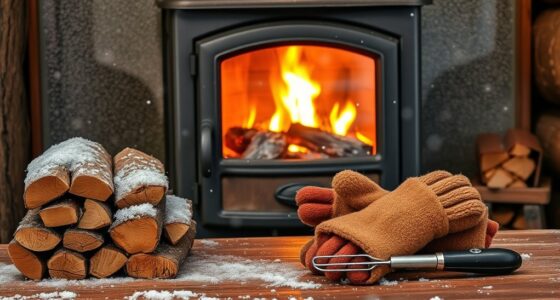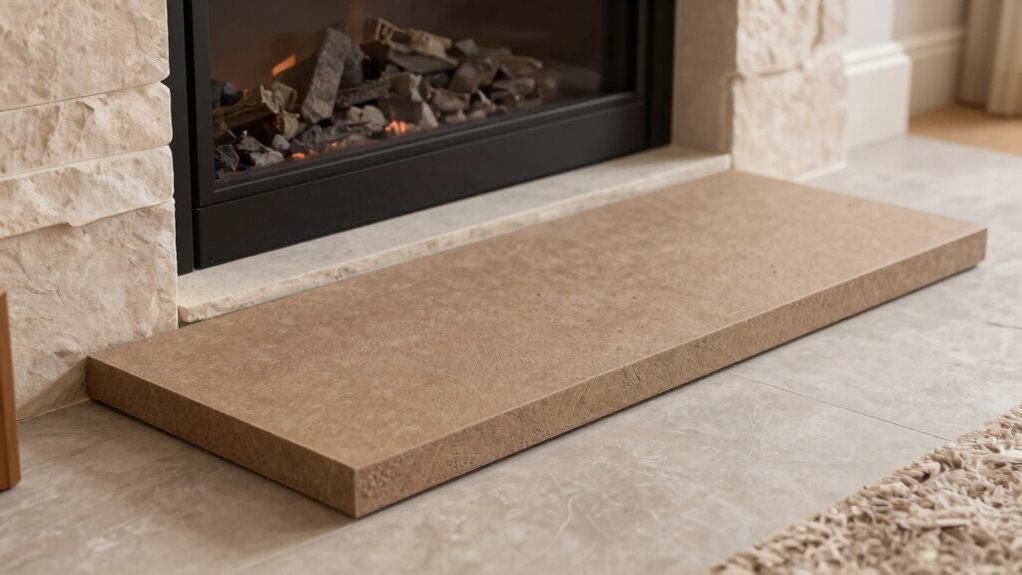

To prevent costly redos and fire hazards, you need to follow the high R-value hearth pad rule. Your hearth pad should have a high R-value to resist heat transfer and protect combustible surfaces below. Proper insulation minimizes overheating and reduces fire risks over time. Ensuring you’re compliant with local codes and using certified, durable materials during installation is essential. Stick with this rule for a safer, long-lasting hearth setup—more tips await if you keep exploring.

Get backup power and energy gear delivered free with Prime
- Fast, free delivery on millions of items
- Prime Video, Amazon Music and more included
- Member-only deals all year
Key Takeaways
- Selecting a hearth pad with a high R-value ensures effective heat resistance, preventing heat damage and costly replacements.
- Building codes often mandate minimum R-values, so compliance avoids expensive fines and rework.
- Proper insulation with high R-value materials reduces fire risk and the need for future safety corrections.
- Correct installation of high R-value hearth pads maintains insulation integrity, preventing costly adjustments later.
- Durable, high R-value materials extend the lifespan of the hearth pad, reducing long-term repair and replacement costs.
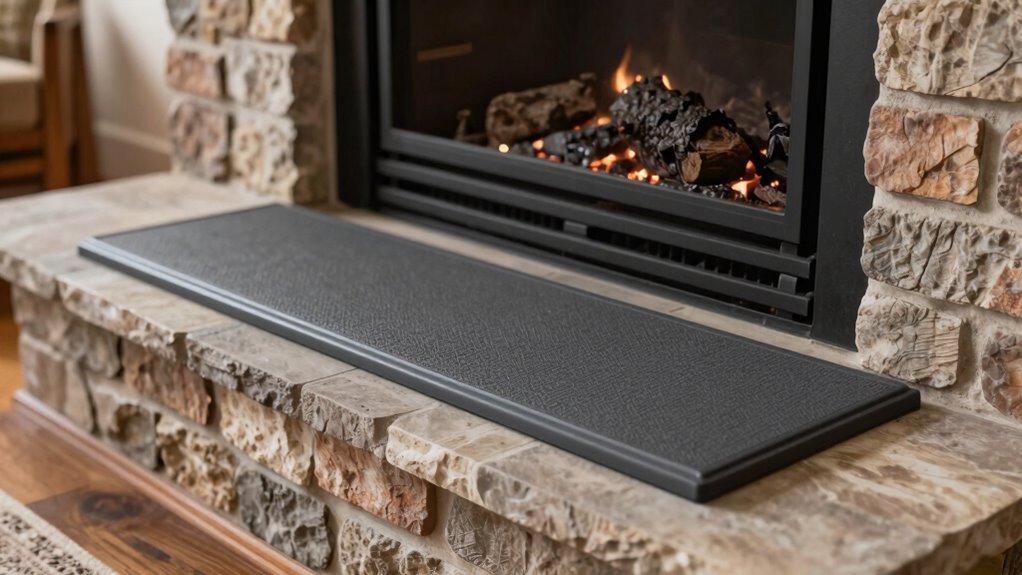
If you’re installing a hearth pad for your fireplace or stove, understanding the high R-value rule is essential for safety and efficiency. The R-value measures how well a material resists heat transfer, making it a vital factor in choosing the right hearth pad. The higher the R-value, the better the material insulates, helping prevent heat from reaching combustible surfaces below. This rule isn’t just about comfort; it’s about fire safety, ensuring your home remains protected from potential hazards caused by excessive heat exposure. Additionally, selecting materials with proper ventilation properties can enhance overall safety and indoor air quality. Choosing a hearth pad with an appropriate R-value means you’re prioritizing safety and compliance with building codes. Many local codes specify minimum R-values based on your stove or fireplace’s heat output, so it’s wise to check these requirements before making a purchase. If you skip this step, you risk installing a pad that’s insufficiently insulated, which could lead to overheating or even fire. A high R-value hearth pad acts as a barrier, absorbing and resisting heat transfer, thus reducing the risk of accidental fires caused by heat conduction through combustible materials underneath. Moreover, understanding material durability** is crucial to ensure the long-term safety and performance of your hearth pad. Durability is equally critical when selecting a hearth pad. You want a surface that withstands high temperatures and daily wear without cracking or deteriorating. Durable materials like ceramic tile, stone, or specially formulated heat-resistant composites not only ensure longevity but also contribute to fire safety by maintaining their insulating properties over time. When the material is durable, you avoid having to replace the hearth pad frequently, saving you money and reducing the risk of gaps or damage that could compromise safety. Investing in the right high R-value hearth pad may seem like an extra step, but it’s a crucial safeguard against costly mistakes. Proper installation techniques also help prevent gaps or improper positioning that could undermine safety and insulation effectiveness. Using certified and tested materials ensures that your hearth setup adheres to safety standards and regulations. This proactive approach helps maintain fire safety standards and guarantees that your fireplace or stove operates efficiently without unnecessary risks. In the end, understanding and applying the high R-value rule isn’t just about compliance; it’s about protecting your home and loved ones. Combining proper insulation with durable, heat-resistant materials creates a reliable barrier that minimizes fire hazards. By paying close attention to these details, you make sure your hearth setup is safe, long-lasting, and compliant—saving you money and worry in the long run**.
Products Worth Considering

Hisense 85 U6 Pro Series Mini-LED ULED 4K UHD HDR Gaming AI Smart Fire TV (85U6SF Pro)

Philips Hue Large Smart Light Tube, Black – White and Color Ambiance LED Color-Changing Light – 1 Pack

LEVOIT Vital 200S-P Smart Air Purifier for Large Rooms
As an affiliate, we earn on qualifying purchases.
Frequently Asked Questions
How Do I Calculate the R-Value Needed for My Hearth Pad?
To determine the R-value needed for your hearth pad, start by checking fireproofing standards and safety regulations in your area. Measure the required clearance from the fireplace to combustibles, then consult local building codes or manufacturer guidelines for recommended R-values. Typically, higher R-values provide better insulation and fire protection. Make certain you select a pad with an R-value that meets or exceeds these standards to stay compliant and prevent costly redoings.
Are There Specific Materials Recommended for High R-Value Hearth Pads?
Think of your hearth pad as a fortress for safety and durability. For high R-value, consider materials like lightweight concrete, mineral wool, or foam insulation boards—they offer excellent thermal resistance. While these materials boost hearth pad durability, keep material cost considerations in mind, as premium options may be pricier. Balancing cost with R-value guarantees your hearth remains both safe and efficient without frequent redos.
Does the Rule Apply to All Types of Fireplaces and Stoves?
Yes, the rule applies to all types of fireplaces and stoves to guarantee fireplace safety and proper hearth design. It mandates high R-value hearth pads, regardless of the fireplace style, to prevent heat transfer and fire hazards. By following this regulation, you maintain safety standards, avoid costly redos, and create a reliable, well-designed hearth that protects your home while enhancing the aesthetic appeal of your fireplace setup.
How Does Climate Influence the R-Value Requirements?
While climate considerations shape your insulation strategies, they also influence R-value requirements for hearth pads. In colder regions, you’ll want higher R-values to prevent heat loss and protect your home, whereas milder climates permit lower R-values. By understanding your local climate, you can select the right hearth pad insulation, ensuring safety and efficiency without unnecessary upgrades. Tailoring your approach saves money and keeps your fireplace cozy year-round.
Can I Install a High R-Value Hearth Pad Myself?
Yes, you can install a high R-value hearth pad yourself, but prioritize fireplace safety and material durability. Make sure you follow manufacturer instructions carefully and use the right fire-safe materials designed for high R-value applications. Proper installation prevents fire hazards and provides long-lasting durability. If you’re unsure or unfamiliar with building codes, consider consulting a professional to guarantee safety and compliance, especially in colder climates where higher R-value pads are essential.
Conclusion
Think of the high R-value hearth pad as a sturdy shield guarding your home’s warmth and safety. When you follow the rule, you’re planting a seed of protection that grows strong and resilient over time. Ignoring it risks opening a crack in your fortress, inviting costly repairs. Embrace this rule like a lighthouse guiding you through stormy seas—your home’s safety and comfort depend on it, shining brightly and keeping you secure.