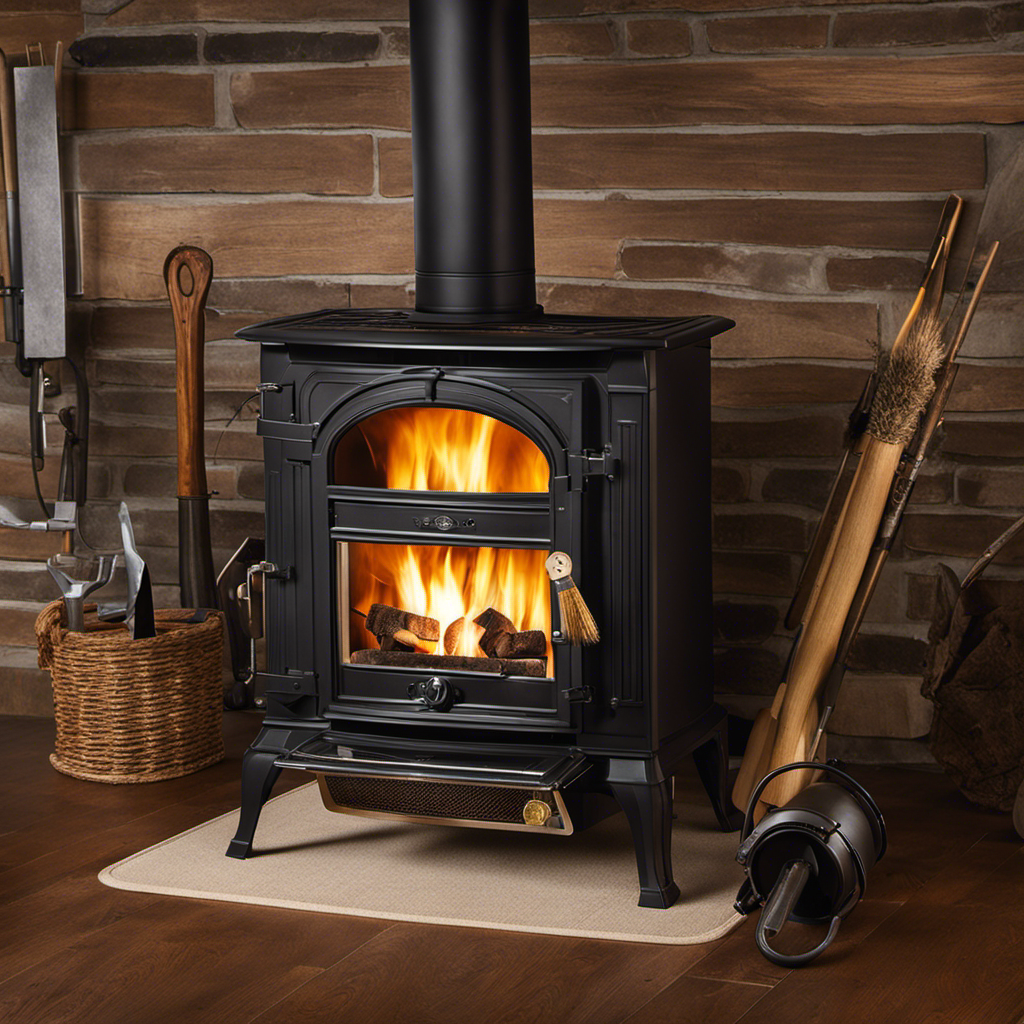
To protect your floors during heating or renovation, use durable hearth pads and non-combustible materials. Hearth pads act as a barrier against heat, sparks, and hot debris, preventing damage and fire hazards. Non-combustible surfaces like specially treated tiles or reinforced concrete provide long-term safety and durability for high-risk areas. Choosing certified, fire-resistant options guarantees your space stays safe and preserved. Keep exploring to discover how these protective measures can best secure your environment.
Key Takeaways
- Hearth pads are fire-resistant mats placed under fireplaces or heating appliances to prevent heat damage and fires.
- Non-combustible materials, such as treated tiles or concrete, provide durable, fire-safe flooring options.
- Certified fire-resistant hearth pads and materials help contain fires and reduce toxic fumes during high heat exposure.
- Using non-combustible flooring and hearth pads extends floor lifespan and maintains safety during renovations or heavy use.
- Proper floor protection minimizes damage from sparks, hot debris, and heat, ensuring a safer environment for occupants and property.
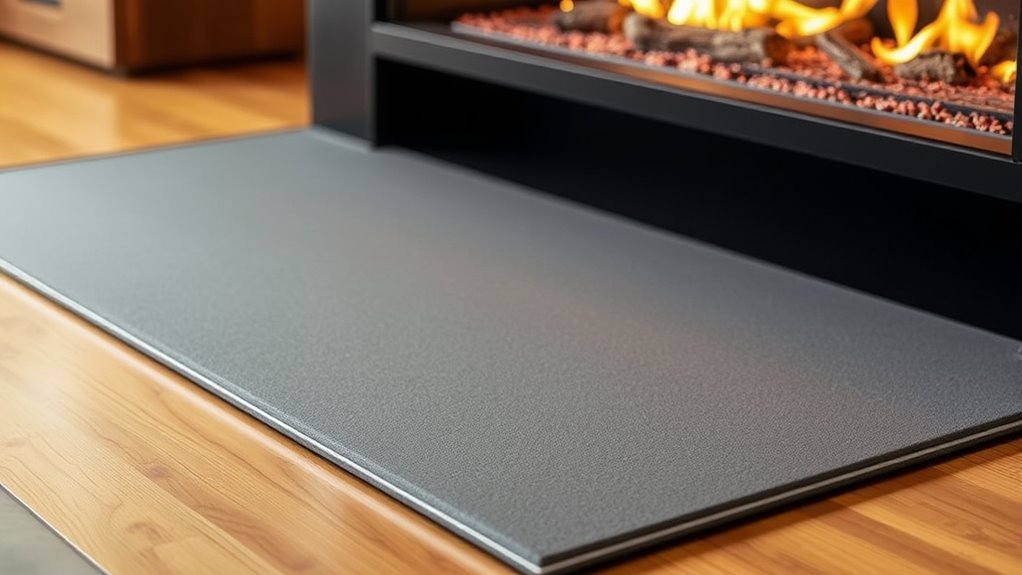
Are you prepared to safeguard your floors during renovation or heavy-duty projects? Protecting your flooring is essential to prevent damage, stains, and potential fire hazards. One effective way to do this is by using fire resistant flooring options and heat resistant mats. These materials are designed to withstand high temperatures and reduce the risk of accidental fires, especially when working with open flames, hot tools, or sparks. Incorporating fire resistant flooring in high-risk areas creates a safer environment, giving you peace of mind as you work. Heat resistant mats serve as an additional layer of protection, especially when handling hot equipment or during activities that generate significant heat. They can be easily placed under workstations, grills, or heating appliances, reducing the chance of burns or heat damage to your underlying floors.
When selecting fire resistant flooring, look for materials tested and certified for safety standards. These include specially treated tiles, concrete, or other non-combustible surfaces that won’t ignite or release toxic fumes if exposed to flames or heat. Installing these floors in areas prone to sparks or heat sources can help contain any potential fires and prevent them from spreading. In addition, heat resistant mats are typically made from durable, fire-retardant materials that can withstand high temperatures without warping or melting. They are portable, easy to clean, and versatile enough to be used in multiple settings, from workshops to kitchens. Using fire resistant materials adds an extra layer of safety and durability, which is crucial for long-term protection of your floors and property.
Using these protective measures isn’t just about safety—it’s about preserving your investment. Heavy-duty projects, renovations, or even simple DIY tasks can generate debris, spills, or heat that damage your floors over time. Fire resistant flooring offers long-term durability, resisting staining, cracking, or warping caused by heat exposure. Heat resistant mats act as a barrier, catching drips, sparks, or hot debris before they reach your flooring. This combination ensures your floors stay intact and look great, even after extensive work.

Fireplace Mat Fireproof, 2' x 3'6'' x 0.04'' Fireplace Rugs Fire Resistant, Hearth Pads for Wood Stove Fireplace Indoor Outdoor, Thin Hearth Rug Protects Floors Carpets from Sparks Embers, Black
【Thin Fireplace Mat】Our ultra-thin (1mm) fireproof mat for fireplace provides exceptional protection against charcoal spills and heat damage….
As an affiliate, we earn on qualifying purchases.
As an affiliate, we earn on qualifying purchases.
Frequently Asked Questions
How Do I Choose the Right Hearth Pad for My Fireplace?
To select the right hearth pad, consider your fireplace’s size and heat output. Look for fire resistant coatings that guarantee safety and durability. You’ll want a pad with good heat insulation to protect your floor from high temperatures. Measure your space accurately and select a pad made from non-combustible materials. This way, you guarantee your hearth pad provides ideal protection while complementing your fireplace setup.
Are Non‑Combustible Materials Suitable for Outdoor Installations?
Yes, non‑combustible materials are suitable for outdoor installations because they offer outdoor durability and guarantee safety. You should choose materials compatible with the outdoor environment, resistant to weather, moisture, and temperature changes. Use non‑combustible materials designed for exterior use to protect your fireplace and surrounding areas. By selecting the right materials, you’ll maintain safety, enhance longevity, and ensure your outdoor fireplace remains functional and attractive for years to come.
How Often Should I Replace or Inspect My Hearth Pad?
You should inspect your hearth pad at least once a year as part of regular hearth pad maintenance. Look for signs of damage, wear, or warping, especially after harsh weather or heavy use. Replace the hearth pad if you notice cracks, deterioration, or if it no longer provides adequate protection. An inspection schedule helps guarantee safety and longevity, so staying diligent keeps your outdoor fireplace safe and effective.
Can I Install a Hearth Pad Myself or Hire a Professional?
Installing a hearth pad is a task that can feel as daunting as climbing Everest, but you can do it yourself if you’re handy with DIY projects. However, for essential safety and a perfect fit, hiring a professional installation is highly recommended. They bring expertise, ensuring compliance with local codes and proper placement. If you’re confident in your skills, a DIY approach can save money, but never compromise safety on this critical feature.
What Are the Fire Safety Codes Related to Hearth Pads?
You need to follow fire safety regulations that specify minimum clearances and proper materials for hearth pads. Make sure your hearth pad complies with the relevant hearth pad standards set by local codes or national organizations like the NFPA. These standards ensure your hearth pad is non-combustible and safely protects your floor from heat and sparks. Always check with your local building authorities to confirm compliance before installation.
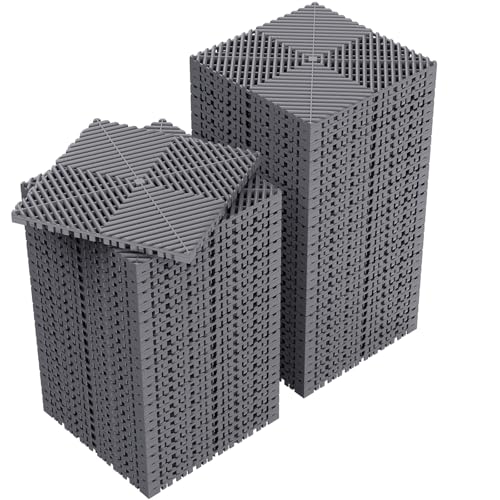
Jocoevol 60-Pcs Interlocking Tile, 12" x 12" Indoor/Outdoor Self-Drainage Interlocking Floor Tiles, Non-Slip Heavy-Duty Polypropylene Splicing Flooring Tile for Garage Patio Pool Bathroom, Grey
【Easy Assemble & Secure】- Jocoevol interlocking floor tiles incredibly simple to install-no glue or tools required! Just align…
As an affiliate, we earn on qualifying purchases.
As an affiliate, we earn on qualifying purchases.
Conclusion
Think of hearth pads and non-combustible materials as the sturdy roots that anchor your home’s safety. Just as strong roots protect a tree from storms, these materials shield your floors from fire and heat. By choosing the right protection, you nurture a safe haven where your family can gather and create memories. Remember, a well-protected floor is like a solid foundation—quietly symbolizing your care and commitment to a warm, worry-free home.

LXLZSH 24×31 inches Heat Resistant Grill Mats for Countertop & Table, Fireproof Mats for Outdoor Grill, Portable Charcoal Grill, Gas Grill, Pizza Oven Compatible with Blackstone, Ninja, Black
LXLZSH Tabletop Grill Mat:The Table fireproof grill mat is 24 x 31 inches,0.6mm thickness,great addition to outdoor grilling…
As an affiliate, we earn on qualifying purchases.
As an affiliate, we earn on qualifying purchases.

MABOZOO 2-Inch Thick Hearth Cushions for Fireplaces, Fireplace Baby Proofing Seat Edge Cushion with Removable Fireproof Cover, Sponge Fireplace Mat for Children Proofing
【2-INCH Extra-Thick Sponge】: Our fireplace mat features a 2-inch thick sponge core, providing exceptional impact absorption and enhanced…
As an affiliate, we earn on qualifying purchases.
As an affiliate, we earn on qualifying purchases.