Think of combustible materials near your stove as things that can catch fire easily, so always keep them at a safe distance. Store items like paper towels, cloths, and wooden utensils away from heat sources, and use protective barriers if needed. Keep the area clutter-free and check regularly that nothing has shifted closer to the stove. By managing these basics, you reduce fire risks and create a safer cooking space—there’s more to take into account for full safety.
Key Takeaways
- Keep combustible materials at a safe distance from heat sources to prevent ignition.
- Maintain proper clearance around the stove to allow heat dissipation and reduce fire risk.
- Store flammable items in designated, protected areas away from stovetop heat.
- Regularly check and adjust item placement to avoid heat exposure and shifting hazards.
- Use heat-resistant mats or guards to create a barrier between heat sources and combustible objects.
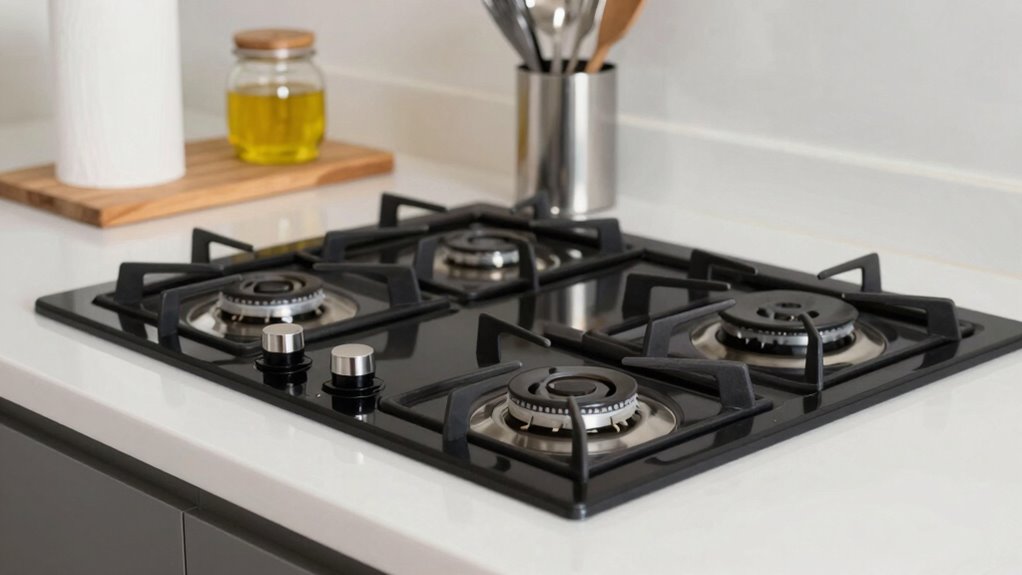
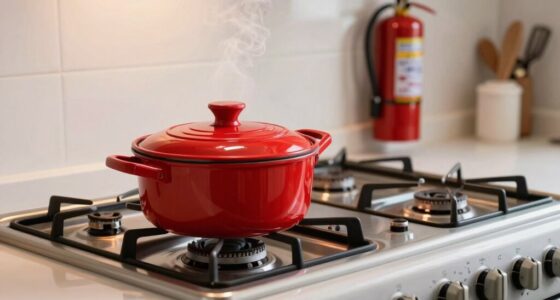
Understanding how to handle combustible materials near a stove doesn’t have to be complicated. When it comes to fire safety, your main focus should be on maintaining proper material clearance—keeping flammable items at safe distances from heat sources. This simple rule helps prevent accidents and keeps your home safe. The idea is to think of your stove as a powerful heat source that can ignite anything nearby if not careful. By understanding the basics of material clearance, you create a buffer zone that minimizes the risk of fires.
Keep flammable items at a safe distance from your stove to prevent fires and ensure home safety.
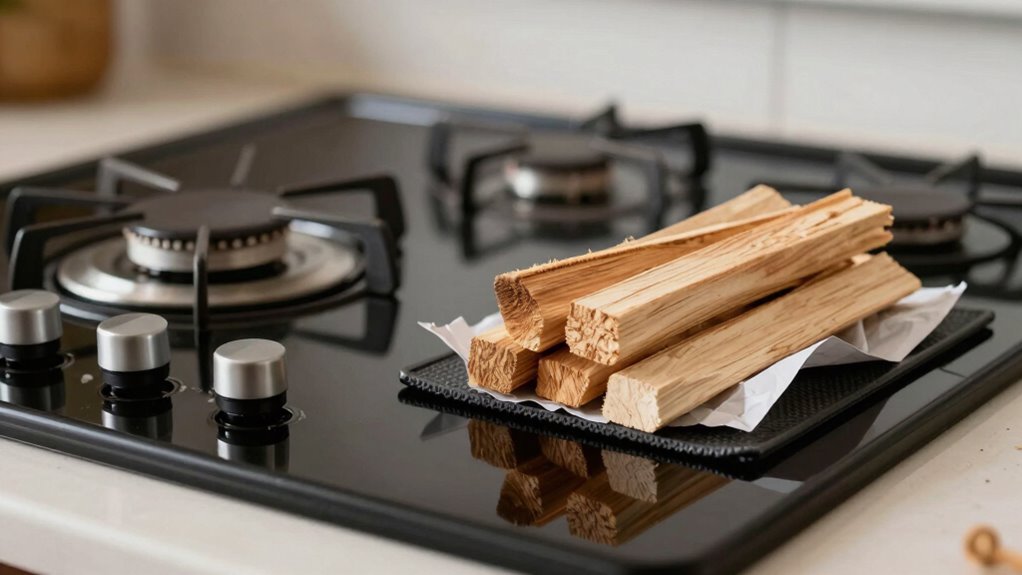
Start by identifying what counts as combustible materials. Common items include paper towels, dishcloths, wooden utensils, cardboard, and even certain plastics. Even some decorative items, like certain fabrics or paper-based decorations, fall into this category. Once you know what to watch out for, you can organize your kitchen to keep these items well away from the stove. A good rule of thumb is to keep flammable objects at least three feet away from any heat source. This distance provides enough space for heat to dissipate and reduces the chance of accidental ignition.
It’s also important to pay attention to the placement of items on your countertops and near your stove. Avoid stacking paper or cloth items directly next to burners or oven surfaces. Instead, store such items in cabinets or drawers, especially when you’re not using them. Keep your stovetop area clear of clutter to ensure good ventilation and easy access in case of an emergency. Remember, good fire safety isn’t just about reacting to problems—it’s about preventing them by managing your environment proactively. Regularly inspecting your kitchen for potential hazards and understanding combustible materials can significantly improve your safety. Incorporating fire-resistant storage solutions can also help reduce the risk of accidental fires caused by nearby heat exposure. Additionally, it’s helpful to be aware that heat exposure can sometimes affect the stability of stored items, making them more prone to ignition.
Furthermore, be mindful of heat exposure. Even items stored a bit farther away can become a fire hazard if they get too close or if they’re exposed to prolonged heat. Regularly check that nothing has shifted into unsafe proximity. If you notice any items that could be a risk, move them immediately. Also, consider using heat-resistant mats or guards around your stove to add an extra layer of protection, especially if you cook often or have young children around.
As an affiliate, we earn on qualifying purchases.
Frequently Asked Questions
Can Certain Decorative Items Be Safely Placed Near a Stove?
You should be cautious with decorative items near a stove, as some can be flammable. Prioritize decorative safety by choosing non-flammable materials and keeping them at a safe distance. Flammable beauty can turn dangerous if placed too close to heat sources. Always follow safety guidelines, and avoid items like paper, fabric, or certain plastics near the stove to prevent accidents and guarantee a safe, cozy space.
How Close Can Combustible Materials Be to an Open Flame?
You should keep combustible materials at least three feet from an open flame, like a hot stove. Imagine a spark igniting a dry forest—distance matters. Fire resistant coatings and flame retardant fabrics can provide extra protection, but they’re not foolproof. Always maintain a safe buffer, because even a small spark can cause big trouble. Staying vigilant keeps your home safe and your mind at ease.
Are There Specific Materials That Are Completely Fireproof?
There aren’t materials that are entirely fireproof, but fire-resistant fabrics and heatproof coatings markedly reduce fire risk. Fire-resistant fabrics are designed to withstand high temperatures, making them suitable for protective clothing. Heatproof coatings can be applied to various materials to improve their fire resistance. Remember, while these materials offer enhanced safety, no material is completely fireproof, so always exercise caution around open flames and heat sources.
What Are the Best Storage Solutions for Combustible Materials?
You might think all storage options are equal, but fire-resistant shelving and safe storage containers actually offer the best protection for combustible materials. Fire-resistant shelving keeps your items elevated and less prone to heat transfer, while safe storage containers with tight seals prevent accidental ignition. Always choose materials specifically designed for fire safety, and keep these containers away from heat sources to guarantee maximum protection near your stove.
How Often Should I Check for Fire Hazards Around My Stove?
You should check for fire hazards around your stove at least once a week to guarantee safety. Follow fire safety tips by keeping combustible materials away from heat sources and inspecting for any signs of wear or damage. Regular hazard prevention helps prevent accidents and keeps your kitchen safe. Stay vigilant, especially when cooking or using appliances, and always have a fire extinguisher nearby for added safety.
Conclusion
Now that you know how to keep combustible materials at a safe distance, you’re better equipped to prevent fires before they start. Remember, a little caution goes a long way—don’t let safety fall through the cracks. By staying vigilant and respecting the danger zone, you’re playing it smart and avoiding trouble. Keep these tips in mind, and you’ll have peace of mind knowing you’re doing your part to stay safe around your stove.