
To properly dispose of ashes and maintain your ash pan, always make certain ashes are completely cooled before handling. Use a metal container with a tight lid for safe storage, and remove ashes regularly to prevent buildup. Clean the ash pan after each use and check for damage, replacing it if needed. Proper disposal and maintenance reduce fire risks and keep your system running efficiently. Keep going to discover more tips for safe and effective ash management.
Key Takeaways
- Allow ashes to cool completely before handling or disposal to prevent fire hazards.
- Store ashes in a metal container with a tight-fitting lid to ensure safe containment.
- Regularly clean the ash pan after use to prevent buildup and maintain proper airflow.
- Check the ash pan for damage and replace if cracked or warped to ensure system efficiency.
- Properly dispose of cooled ashes in accordance with local regulations to minimize fire risks.
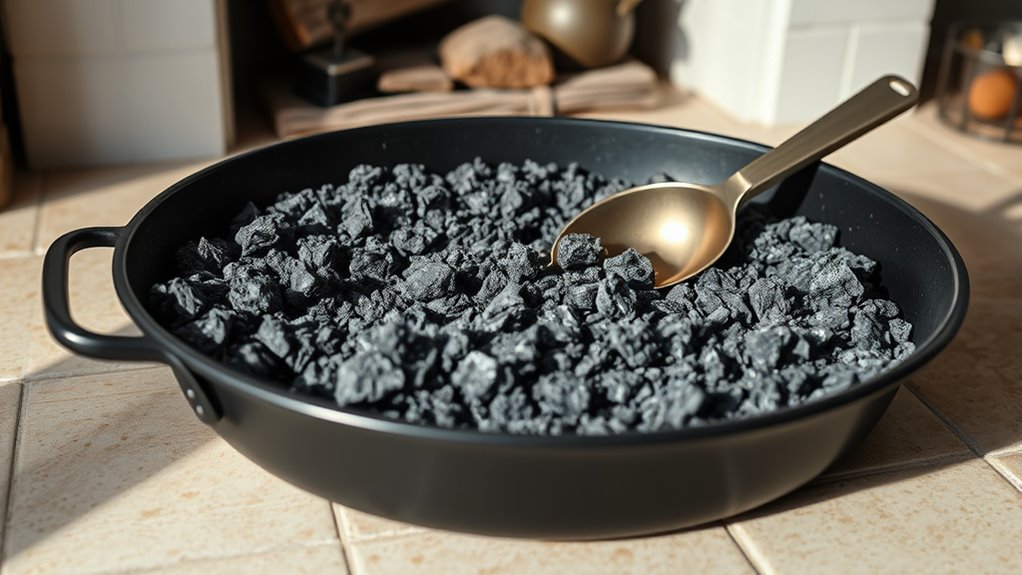
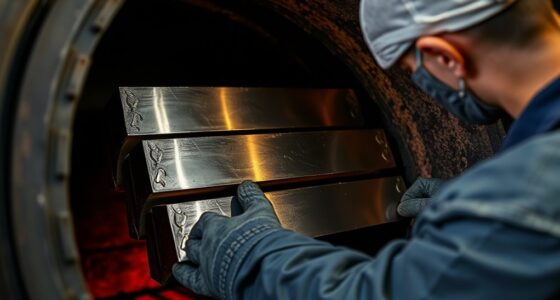
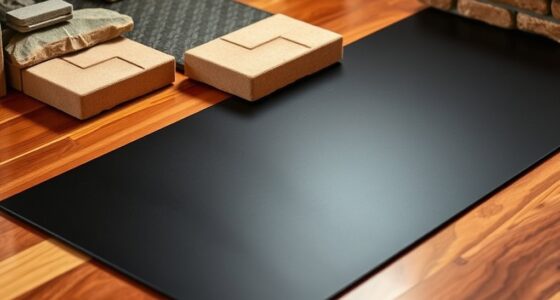
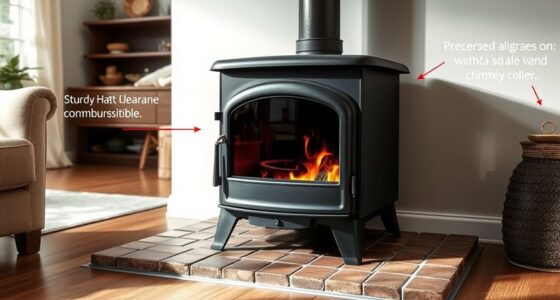
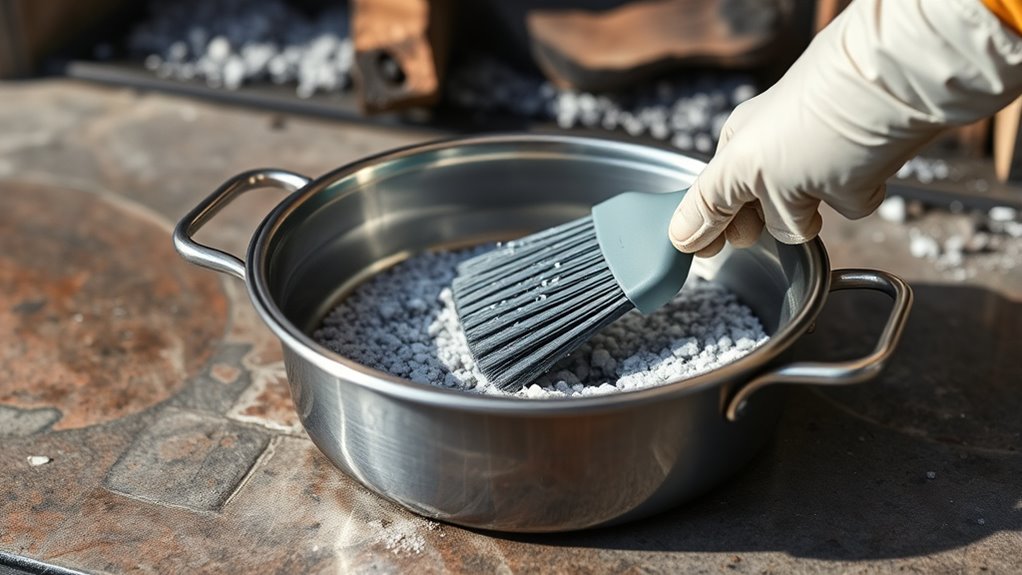
Proper ash disposal and ash pan maintenance are essential for guaranteeing your heating system runs safely and efficiently. When you’re dealing with ash removal, it’s important to do it regularly and carefully. Ash can contain tiny embers that might still be hot, so never rush the process. Use a metal container with a tight-fitting lid to store ashes after removal. This minimizes the risk of accidental fires and keeps your home safe. Allow the ashes to cool completely before handling or disposing of them. This simple step prevents potential fire hazards and ensures that the ashes won’t reignite while you’re handling them. Regular ash removal also helps prevent buildup that can impair the overall performance of your heating system. Ash pan cleaning is a critical part of maintaining your heating system’s efficiency. Over time, ash builds up in the pan, reducing airflow and causing the system to work harder. This can lead to increased fuel consumption and uneven heating. To prevent this, you should clean the ash pan regularly—ideally after each use or at least once a week during heavy use. When cleaning, remove the ash pan carefully, avoiding spills or dust clouds. Use a small shovel or scooper to transfer ashes into your metal disposal container. Then, wipe down the pan with a damp cloth or brush to remove any residual dust or debris. Make sure the pan is completely dry before reinserting it into the stove or fireplace. Moisture in the ash pan can cause rust or corrosion, shortening its lifespan. In addition to regular cleaning, check the ash pan for signs of damage or wear. Cracks or warping can cause ash to spill or prevent proper sealing, which affects airflow and combustion efficiency. If you notice any damage, replace the ash pan promptly to maintain top-notch operation. Proper ash removal and ash pan maintenance also help prevent blockages that could hinder airflow or cause smoke to back up into your living space. Keeping the ash pan clean and emptying it frequently ensures your system performs at its best, with consistent heat output and lower fuel costs. Additionally, understanding the best practices for ash disposal can enhance safety and efficiency.
Frequently Asked Questions
How Often Should I Replace My Ash Pan?
You should replace your ash pan every 6 to 12 months, depending on your maintenance schedule and how often you use your fireplace. Regularly inspect it for cracks, corrosion, or excessive buildup. If you notice any damage or difficulty fitting it properly, it’s time for a replacement. Keeping to this replacement frequency helps guarantee safe operation, easy ash removal, and prevents potential fire hazards.
Can Ash Be Recycled or Repurposed?
Yes, you can recycle or repurpose ash. Recycling options include mixing it with compost or using it as a natural weed suppressant in your garden. Repurposing ideas involve using ash as a cleaning agent for glass or metal, or as a calcium supplement for plants. Just make certain the ash is cool and free of chemicals before handling. This eco-friendly approach helps you make the most of your ash instead of throwing it away.
What Safety Precautions Are Needed for Ash Disposal?
When disposing of ash, you should always use a fireproof container to prevent any risk of fire. Wear protective gloves to avoid direct contact, as ash can contain residual hot spots or harmful particles. guarantee the ash is completely cool before disposal, and keep the container away from combustible materials. These precautions help keep you safe and prevent accidents during ash disposal.
Is It Safe to Leave Ashes in the Pan Overnight?
Leaving ashes in the pan overnight isn’t safe, as ash can remain hot for hours, risking accidental fires. Studies show that even after cooling, ash can reignite if disturbed. Always guarantee proper ash cooling before disposing of it in an ash container. To stay safe, it’s best to remove and properly cool ash, then store it in a metal container outside your home, avoiding any potential fire hazards.
How Do I Prevent Ash Build-Up in My Stove?
To prevent ash build-up in your stove, you should perform regular ash cleaning and stove maintenance. After each use, wait for the ashes to cool, then remove any excess ash from the firebox and ash pan. Regularly inspect and empty the ash pan to avoid blockages. This routine keeps airflow clear, improves efficiency, and prevents dangerous ash accumulation, ensuring your stove operates safely and effectively.
Conclusion
By staying on top of ash disposal and keeping your ash pan in good shape, you’re setting yourself up for a safer, more efficient fire. Regular maintenance prevents problems before they start, making sure your fireplace or stove runs smoothly. Remember, a little attention now can save you from bigger headaches down the road. Don’t let things get out of hand—stay proactive and you’ll keep your hearth happy and burnished like a well-oiled machine.

Terra grew up with a soul deeply connected to nature. Her earliest memories are of sun-drenched meadows, whispering woods, and the rhythmic dance of waves on a moonlit night. Every gust of wind, rustling leaf, and distant horizon beckoned her with tales waiting to be told.