
TL;DR

Get backup power and energy gear delivered free with Prime
- Fast, free delivery on millions of items
- Prime Video, Amazon Music and more included
- Member-only deals all year
Earthcore’s VMASS is a variable makeup-air system that measures indoor and outdoor pressure and changes the amount of outdoor air it supplies as exhaust loads change, according to GreenBuildingAdvisor. The report describes the product’s approach but does not provide performance data, pricing or installation requirements.
Earthcore’s VMASS varies the amount of outdoor air supplied to a home based on measured indoor and outdoor pressure, according to a GreenBuildingAdvisor report published Oct. 7, 2026. The system is intended to address depressurization as exhaust equipment operates, a concern in tightly built homes, especially where combustion appliances or fireplaces are present.
VMASS stands for Variable Makeup Air Supply System and is part of Earthcore’s X-Ventiso line of mechanical venting equipment, the report says. Rather than relying on a fixed supply of replacement air, the system measures pressure indoors and outdoors and varies the airflow it brings into the building as exhaust loads change.
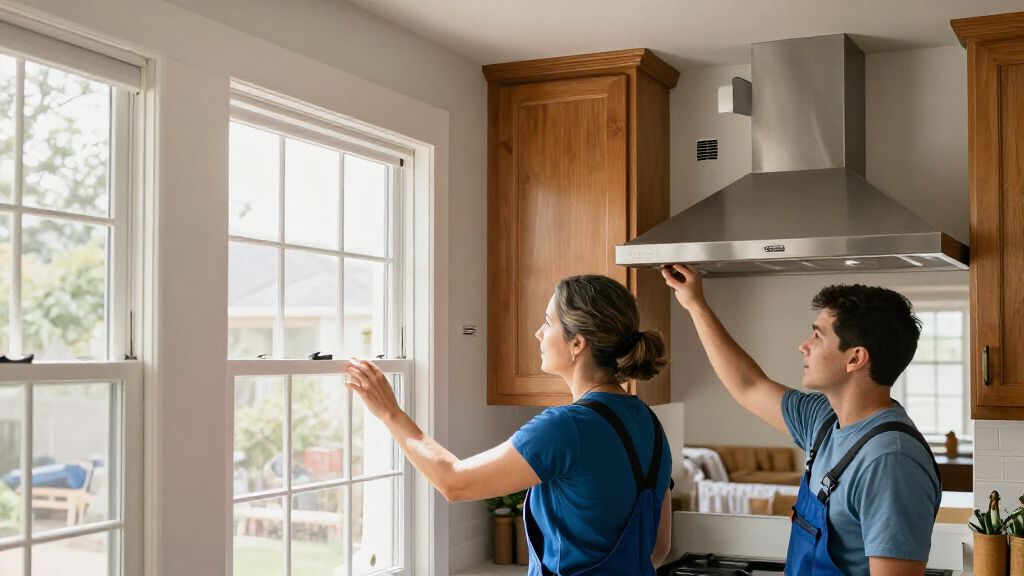
The report places the product within a broader pressure-management problem: range hoods, bathroom fans and other exhaust equipment remove indoor air, which must be replaced with make-up air systems. In a tight enclosure, less replacement air may enter through incidental gaps, and operating one or more exhaust devices can depressurize the home, which is why ventilation for tight homes matters. The report does not publish independent test results or quantify how much pressure or airflow VMASS can manage.
Earthcore also makes Isokern wood- and gas-burning fireplaces and X-Ventiso mechanical draft systems and sealed dampers for round flues, according to the report. Those dampers are designed to limit uncontrolled airflow through a chimney when a fireplace is not in use; automatic makeup-air dampers and VMASS address airflow concerns by controlling outdoor air entering the home.
Pressure Risks in Tighter Homes
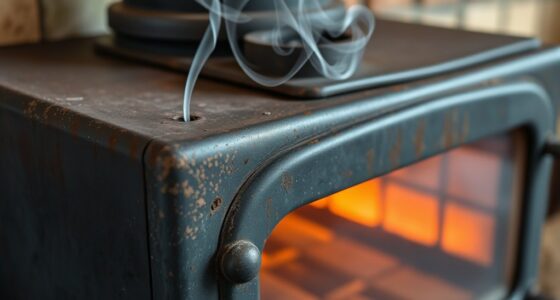
The issue is not limited to comfort or energy use. When exhaust equipment lowers indoor pressure, air can be drawn down a chimney or flue, potentially carrying smoke or combustion gases into living areas. The report notes that atmospherically vented water heaters, boilers and furnaces, as well as fireplaces and woodstoves, raise the stakes when pressure is poorly managed.
GreenBuildingAdvisor author Randy Williams describes homeowners experiencing smoke spill when a bath fan or range hood was running as they opened a woodstove. Turning off the fan or opening a window may address an immediate situation, but it depends on someone recognizing the risk and responding. A pressure-responsive system is presented as a way to manage makeup air mechanically as exhaust demand changes. Whether VMASS reliably reduces those risks in particular homes cannot be determined from the information in the report.
indoor outdoor pressure monitor for home
As an affiliate, we earn on qualifying purchases.
As an affiliate, we earn on qualifying purchases.
From Open Windows to Controlled Air
In homes with more air leakage, replacement air can enter through gaps in the building enclosure. As construction becomes tighter, those pathways are more restricted, while exhaust equipment continues to remove air. That mismatch can create negative indoor pressure, especially when several exhaust devices run at once.
The report distinguishes between two equipment approaches in Earthcore’s product line. Sealed chimney dampers limit unwanted air movement through an unused flue, while VMASS supplies outdoor air to address pressure changes inside the home. Williams says he learned about Earthcore at a trade show. The article is a product report, not a published independent evaluation, and gives no comparative analysis of other makeup-air systems.
“Relying on someone to remember to open a window isn’t a great long-term solution.”
— Randy Williams, GreenBuildingAdvisor
Performance Details Not Reported
The available report does not state the system’s capacity, control thresholds, response time, installation requirements, price or availability. It also does not provide test data showing how well VMASS maintains pressure under different combinations of range hoods, bath fans and other exhaust equipment.
It remains unclear whether the system is intended for new construction, retrofits or both, and how it should be configured alongside specific combustion appliances. The report identifies a pressure-management goal, but does not establish that the product prevents smoke spillage or addresses every combustion-safety concern. Those questions would require manufacturer documentation and project-specific assessment.
Awaiting Product and Test Data
The next useful information would be technical specifications from Earthcore, including approved applications, airflow range, sensing and control details, and installation guidance. Independent testing or field reports could help establish how the system performs as exhaust loads change and how it compares with other makeup-air approaches.
Builders and homeowners considering the system will need to confirm its suitability with the manufacturer and their design or mechanical professionals, particularly where atmospherically vented appliances are present. The GreenBuildingAdvisor report does not announce a testing schedule or provide a date for additional product information.
Key Questions
What is Earthcore’s VMASS?
VMASS is Earthcore’s Variable Makeup Air Supply System. According to GreenBuildingAdvisor, it measures indoor and outdoor pressure and varies the amount of outdoor air supplied as exhaust loads change.
Why do tight homes need makeup air?
Exhaust fans remove indoor air, which must be replaced. In a tighter home, less replacement air may enter through gaps and cracks, potentially contributing to negative indoor pressure when exhaust equipment runs.
What risks can depressurization create?
Negative pressure can contribute to smoke spilling from a fireplace or woodstove and can affect homes with atmospherically vented combustion appliances. The report identifies these risks but does not quantify how often they occur.
Has VMASS been independently tested?
The report does not provide independent test results, performance measurements or a comparison with other systems. Its claims about how the product operates are presented as product information.
How much does VMASS cost, and when is it available?
The report does not state the system’s price, availability or installation requirements. Those details remain unreported in the material provided.
Source: rss
Halloween Picks
halloween
As an affiliate, we earn on qualifying purchases.