
TL;DR

Get backup power and energy gear delivered free with Prime
- Fast, free delivery on millions of items
- Prime Video, Amazon Music and more included
- Member-only deals all year
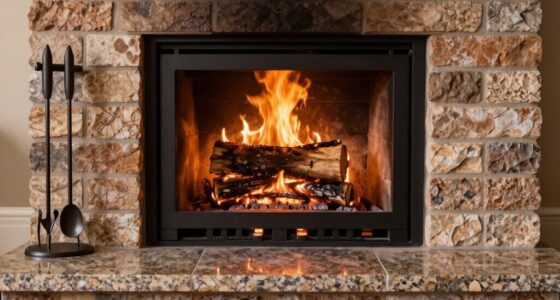
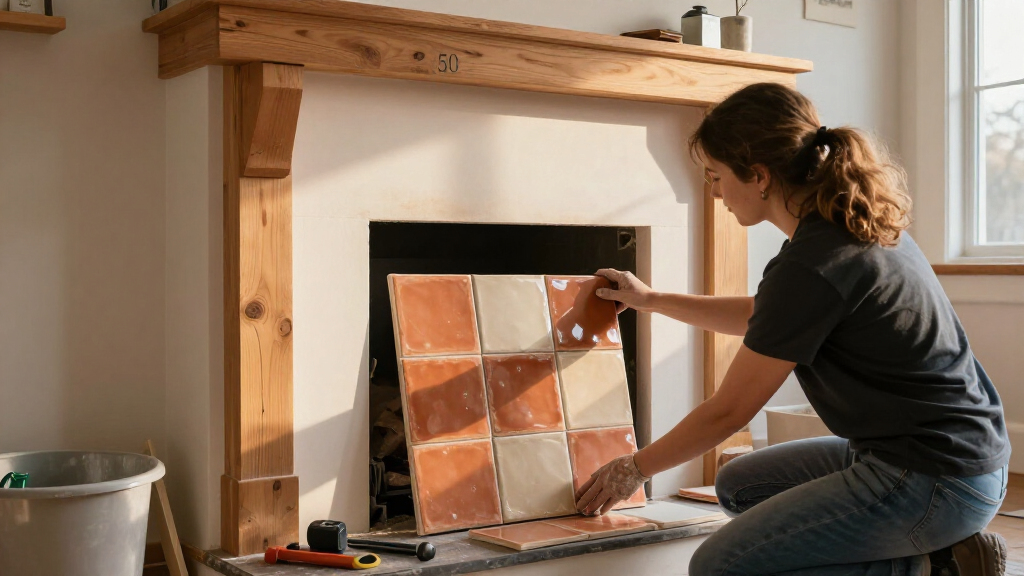
Interior stylist Chad Burton created a custom fireplace in his condo using a $50 Facebook Marketplace mantel. He handcrafted ceramic tiles for the center, inspired by bas-relief designs. The project involved arching doorways and mounting the tiles on plywood for portability.
Interior stylist Chad Burton transformed a blank section of wall in his condo into a custom fireplace, centering the project around a $50 mantel sourced from Facebook Marketplace. The renovation, shared by Apartment Therapy, highlights how a low-cost structural element can anchor a high-end design feature. Burton handmade every ceramic tile in the fireplace’s center, blending personal symbolism with functional DIY techniques to create a focal point that is both aesthetic and portable.
Burton and his husband, Burger, identified a narrow patch of wall between two rectangular thresholds connecting the kitchen and hallway as the ideal spot for a fireplace. To unify the space, Burton arched the two entranceways and painted the surrounding walls in Benjamin Moore’s “Coral Bells,” a brownish-red hue. The project began in earnest when he discovered a heavy brown mantel on Facebook Marketplace for just $50. Due to its weight, he hired a courier for delivery and enlisted friends to help install it, establishing the fireplace’s physical boundary.
The centerpiece of the design consists of handmade ceramic tiles that Burton crafted himself. Inspired by bas-relief tiles found on antique furniture and fireplaces, he sculpted small, detailed figures and symbols meaningful to him and his husband, including astrological signs. This marked a shift from his previous work, which typically involved larger singular ceramic pieces. After glazing the tiles, he performed a preliminary bisque fire before having his ceramics instructor, Julie Moon, conduct the final firing.
Structural integration required careful planning to account for kiln shrinkage, which altered the dimensions of the fired tiles. Burton sourced additional black and white square tiles to border the handmade center, effectively masking size discrepancies. To ensure the installation remained rental-friendly and portable, he mounted the entire tiled assembly onto a piece of plywood. He then attached this panel to the wall using heavy-duty Velcro, allowing the couple to remove the tiles if they move, leaving behind only the plywood arch and the original mantel setup.
Portability Meets Custom Craftsmanship
This project demonstrates a viable approach for renters and transient homeowners who desire permanent-looking fixtures without permanent structural changes. By mounting the tiles on a plywood backing secured with heavy-duty Velcro, Burton created a removable art installation that functions as a fireplace. This method bypasses the need for masonry work, which is often prohibited in rentals or too costly for temporary residences. It also highlights the value of skill-based DIY, where specialized knowledge in ceramics replaces expensive custom fabrication. The use of a $50 thrifted mantel further underscores how high-value design can emerge from low-cost sourcing, challenging the notion that bespoke interiors require high budgets.
Products Worth Considering

Dyson Ball Animal 3 Extra Upright Vacuum

Shark Navigator Robot Vacuum with 30-Day Self-Empty Base, White (AV2110S)

Blueair Blue Pure 211i Max Air Purifier
As an affiliate, we earn on qualifying purchases.
From Temporary Plywood to Ceramic Art
Burton’s path to the final design was iterative. Before committing to the ceramic tiles, he spent over a year searching for an iron insert to fit the mantel. During this interim period, he installed a plywood arch in the center of the fireplace opening. He describes this temporary solution as feeling incomplete, noting that the plywood arch “always felt temporary.” The decision to create his own tiles arose from a combination of this dissatisfaction and his ongoing participation in ceramics classes. The project evolved from a simple search for a prefabricated insert into a complex artistic endeavor involving sculpting, glazing, and precise kiln firing.
“I knew right away I wanted to arch the two entranceways into the living room and make them [an] equal size.”
— Chad Burton, stylist and interior decorator
Durability of Velcro Mounting System
While Burton states he has “no regrets” about the project, the long-term durability of the Velcro mounting system for a heavy plywood-backed tile assembly remains unverified by independent testing. The source material does not specify the weight of the final tiled panel or the specific brand and load rating of the Velcro used. Additionally, the glaze inconsistency noted by Burton—where some black tiles are shinier than others due to varying firing temperatures—is described as an aesthetic choice he embraces, but it is unclear if this variation affects the tiles’ resistance to heat or cleaning agents. The longevity of the grout on a plywood substrate, which may flex differently than masonry, is also not detailed.
Potential for Replication and Modification
Burton’s project serves as a template for others interested in ceramic DIY for home interiors. Future iterations by other makers may explore different mounting methods, such as French cleats or magnetic systems, to improve security over Velcro. The shrinkage issue encountered during firing is a common challenge in ceramics; subsequent projects might involve pre-shrinking clay or using molds to ensure uniform dimensions. As Burton continues his work as a stylist, similar hybrid craft-DIY projects are expected to emerge, blending traditional artisanal techniques with modern, renter-friendly installation hardware.
Key Questions
How much did the mantel cost?
The mantel was purchased for $50 on Facebook Marketplace. Burton also paid for a courier service to deliver it due to its weight.
Are the tiles permanent?
No, the tiles are technically temporary. They are mounted on a plywood panel attached to the wall with heavy-duty Velcro, allowing them to be removed if the owners move.
Why were extra tiles added to the border?
Chad added black and white square tiles around the edge to account for shrinkage that occurred during the kiln firing process, ensuring the overall dimensions fit the mantel opening.
Did Chad Burton fire the tiles himself?
He performed a preliminary bisque fire himself, but his ceramics instructor, Julie Moon, conducted the final firing to ensure proper glaze maturation.
Source: rss