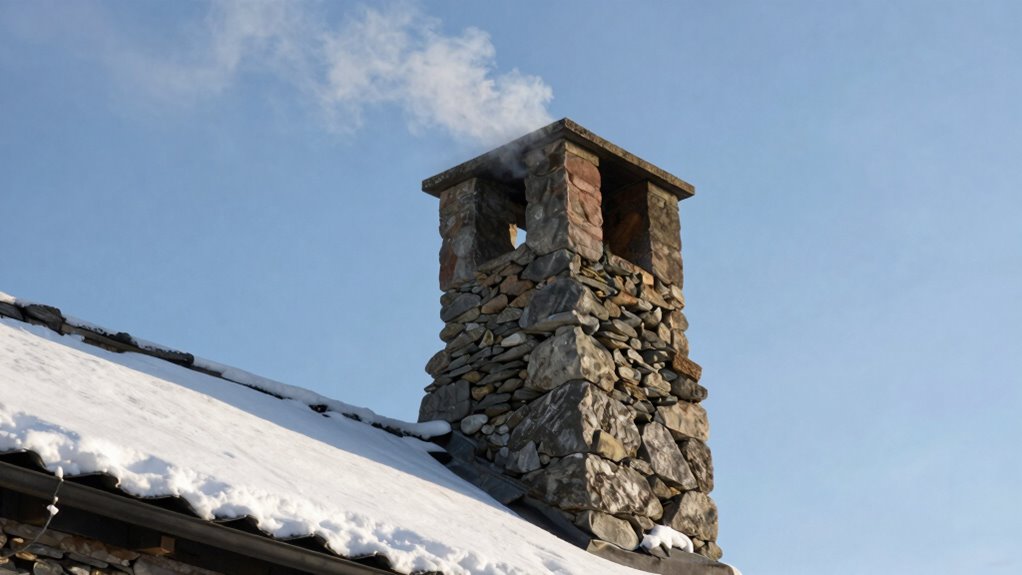

Your chimney is just as important as your stove because it safely vents smoke, gases, and soot, preventing dangerous buildup inside your home. Without proper maintenance, your chimney could cause fires, worsen air quality, or allow harmful gases like carbon monoxide to spill into your living space. Ensuring your chimney stays clean and functional protects your health and safety. Keep going to discover how regular checks and proper care keep everything working smoothly and safely.
Open a free Amazon Business account
Business pricing, bulk buying and tax-exempt orders.
As an affiliate, we earn on qualifying purchases.
Key Takeaways
- A chimney safely vents smoke and gases, preventing dangerous indoor air pollution and health hazards similar to the importance of a stove’s proper function.
- Regular chimney maintenance reduces fire risk by preventing creosote and soot buildup, ensuring safety comparable to a well-maintained stove.
- Proper ventilation from the chimney maintains high indoor air quality, just as a stove efficiently provides clean heat.
- Inspections identify cracks or blockages early, safeguarding your home as effectively as stove upkeep ensures safe cooking.
- A well-maintained chimney ensures safe, quiet operation, supporting overall home safety and efficiency like a reliable stove.
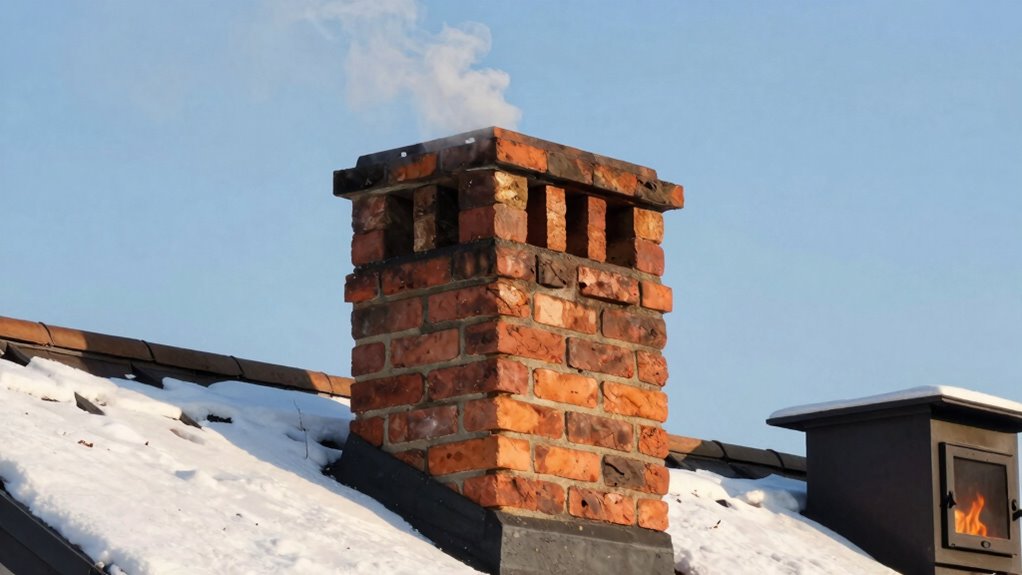
Your chimney plays an essential role in keeping your home safe and efficient. It isn’t just a hole in the roof; it’s a critical component that guarantees proper smoke ventilation and prevents dangerous buildup of gases. Regular chimney maintenance is indispensable because it helps keep your chimney functioning as it should. Over time, creosote and soot accumulate, which can block the flue and increase the risk of chimney fires. When you neglect maintenance, you compromise the ability of your chimney to vent smoke effectively, potentially leading to smoke spilling into your living spaces instead of exiting through the chimney. This isn’t just unpleasant—it’s unsafe, especially for anyone with respiratory issues or allergies.
Efficient smoke ventilation is at the core of a well-functioning chimney. When your chimney is clear and properly maintained, it creates a natural draft that pulls smoke, fumes, and other byproducts of combustion out of your home. Without this, smoke can linger inside, reducing indoor air quality and increasing the risk of carbon monoxide buildup. Proper ventilation isn’t just about comfort; it’s a matter of health and safety. That’s why inspecting your chimney regularly and scheduling professional cleanings when needed are essential steps to sustain ideal smoke ventilation. When your chimney is in good shape, it works quietly and efficiently, quietly drawing out harmful gases and preventing them from entering your living space. Additionally, ensuring your chimney’s proper ventilation helps prevent the dangerous buildup of gases that can occur from inadequate maintenance. Regular inspections can also identify issues like cracks or blockages that compromise the chimney’s safety and efficiency. Addressing these issues promptly can help maintain optimal chimney performance and prevent costly repairs down the line. Furthermore, understanding the importance of chimney safety encourages homeowners to prioritize routine upkeep and avoid potential hazards.
As an affiliate, we earn on qualifying purchases.
Frequently Asked Questions
How Often Should I Have My Chimney Inspected?
You should have your chimney inspected at least once a year, especially before winter use. Regular inspections guarantee chimney insulation stays effective and prevent dangerous creosote buildup. If you use your fireplace frequently or notice issues like smoke inside your home, more frequent checks are necessary. Proper inspection boosts fireplace safety, reduces fire risks, and keeps your chimney functioning efficiently. Don’t neglect these inspections for peace of mind and safety.
Can a Damaged Chimney Affect My Home’s Heating Efficiency?
A damaged chimney can definitely throw a wrench in your home’s heating efficiency. Cracked or missing chimney insulation allows heat to escape, making your system work harder. Plus, compromised fire safety increases the risk of dangerous fires or smoke leaks. Think of your chimney as the backbone of your heating system—if it’s not in top shape, your home won’t stay warm efficiently, and safety could be at risk.
What Are Signs My Chimney Needs Repair?
You should get your chimney repaired if you notice signs like persistent smoke inside your home, strange odors, or visible blockages like nests or debris. Cracks, rust, or soot buildup indicate damage that could worsen. Addressing these issues helps prevent chimney blockages, which are essential for fire hazard prevention. Regular inspections guarantee your chimney stays safe and efficient, protecting your home and loved ones from potential fire risks.
Is Chimney Cleaning Necessary for Gas Stoves?
Yes, chimney cleaning is essential for gas stoves because neglecting it could turn your home into a danger zone. Gas venting relies on a clear, unobstructed chimney to prevent dangerous gases from accumulating. Without regular cleaning, soot and debris can clog the system, risking chimney safety and potentially causing harmful leaks. Stay safe by scheduling routine chimney inspections and cleanings—your home’s safety depends on it.
How Does Chimney Maintenance Impact Indoor Air Quality?
Chimney maintenance directly improves your indoor air quality by reducing indoor pollutants that can accumulate from cooking and heating. When you keep your chimney clean and well-maintained, it guarantees proper ventilation, preventing harmful gases and smoke from lingering inside. Regular maintenance also supports ventilation improvements, allowing fresh air to circulate efficiently. This not only keeps the air cleaner but also creates a healthier environment for you and your family.
Conclusion
Your chimney isn’t just a pipe; it’s the silent guardian of your stove’s safety and efficiency. Neglect it, and you risk more than just poor heating—you invite danger and costly repairs. Think of your chimney as the heartbeat of your home’s warmth, essential yet often overlooked. Without it, your stove’s fire is like a ship without a rudder—destined to go off course. Keep your chimney in check, and let your home’s comfort sail smoothly.
NFL season / tailgating Picks
team gear
As an affiliate, we earn on qualifying purchases.