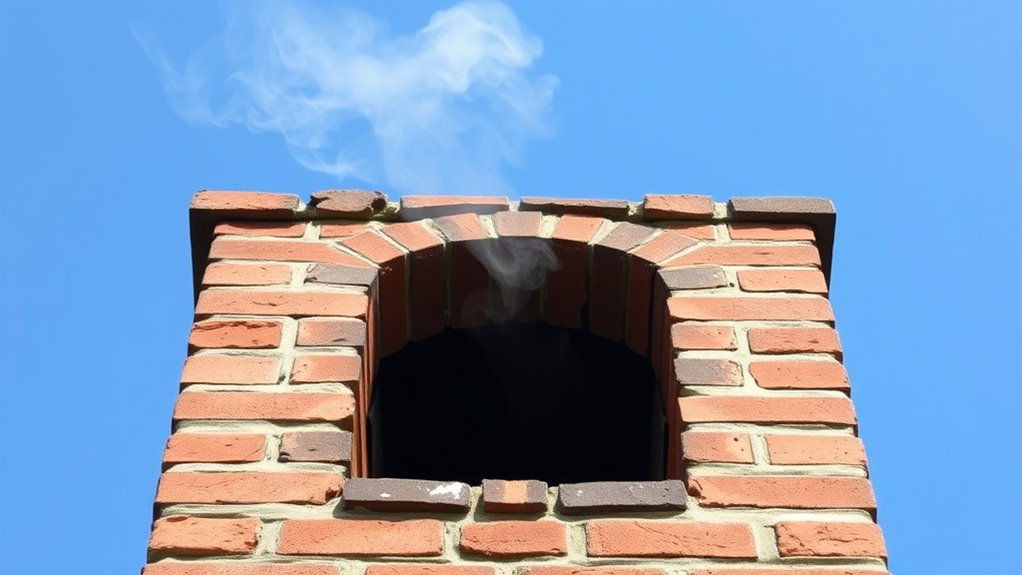
If your chimney makes whistling or hooting sounds, you should first check for obstructions like creosote buildup, debris, or nests blocking the flue. Wind effects and gaps around the chimney crown or flashing can also cause these noises by creating pressure differences. Ensuring your chimney is clean, well-sealed, and fitted with a proper cap can reduce the sounds. For a thorough understanding of diagnosing and fixing these issues, explore the detailed steps ahead.

Get backup power and energy gear delivered free with Prime
- Fast, free delivery on millions of items
- Prime Video, Amazon Music and more included
- Member-only deals all year
Key Takeaways
- Check for flue obstructions like creosote buildup, debris, or nests, which can cause whistling sounds by restricting airflow.
- Inspect for cracks or gaps around the chimney crown or chase that may allow wind to create hooting noises.
- Ensure chimney cap is properly fitted and functioning to divert wind and reduce pressure fluctuations.
- Examine for loose or damaged chimney joints and flashing that can lead to air leaks and wind-induced sounds.
- Consider chimney height and shape, as taller or irregular designs are more susceptible to wind effects causing whistling or hooting.
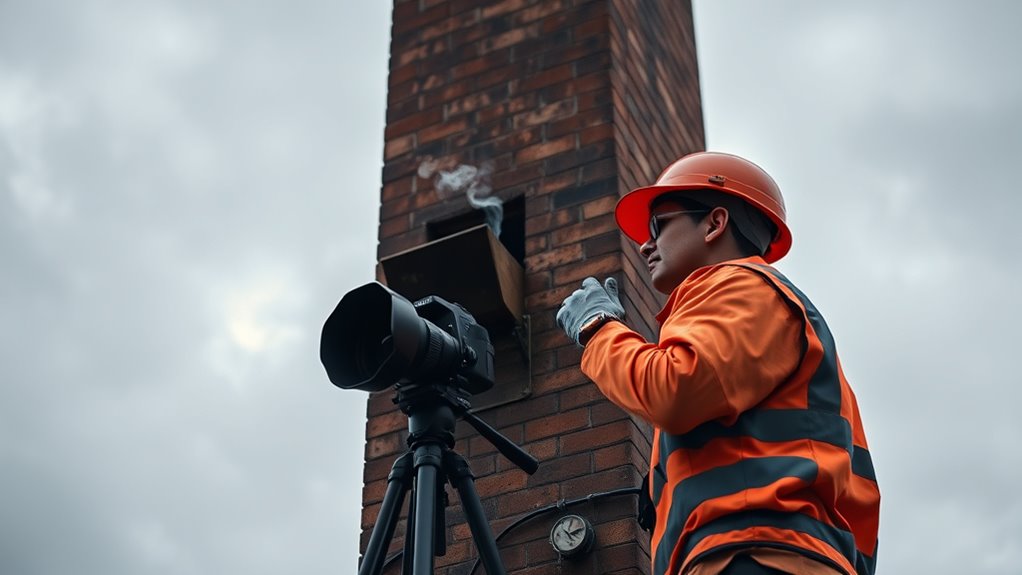
Chimney noises can be unsettling, but understanding what causes them can help you identify and fix the problem quickly. One common reason for whistling or hooting sounds is flue obstructions. When the flue isn’t clear, whether from creosote buildup, debris, or nests, it disrupts the airflow. This obstruction causes the air to move faster through the restricted space, creating high-pitched noises as it passes through the narrow openings. If you notice these sounds, it’s a good idea to inspect your chimney for blockages and have it cleaned if necessary. Clearing the flue not only stops the noise but also improves your chimney’s safety and efficiency. Proper ventilation is essential to prevent these issues from recurring. Wind effects are another major contributor to chimney noises, especially during breezy weather. When wind blows around your home, it can create pressure differences that cause the flue to whistle or hoot. The shape and height of your chimney influence how strongly wind impacts it—taller chimneys tend to be more susceptible. Sometimes, the wind causes air to rush through small gaps or cracks around the chimney crown or chase, producing a whistling sound. In other cases, wind can cause a fluctuation in pressure inside the chimney, leading to a hooting noise. These effects are often more noticeable during storms or gusty days. To address wind-related noises, check your chimney’s sealing and flashing. Properly sealed joints and flashing help prevent air from escaping or entering through gaps, reducing the whistling. Installing a chimney cap with a proper fit can also help divert wind and minimize pressure fluctuations. If you notice that the noise only occurs during windy weather, it’s likely related to wind effects rather than flue obstructions. However, it’s always wise to inspect the chimney thoroughly—sometimes a small debris or nest blockage can exacerbate wind effects, making the noise more pronounced. Additionally, ensuring your chimney has adequate ventilation can help mitigate some of these issues, especially considering how storage conditions might influence the buildup of obstructions or debris in the flue. Proper maintenance is key to preventing recurring problems and ensuring safe operation.
As an affiliate, we earn on qualifying purchases.
Frequently Asked Questions
Can Cold Weather Cause Chimney Whistling?
Yes, cold weather can cause your chimney to whistle. As weather patterns change and temperatures drop, the air inside your chimney contracts, creating a pressure difference. If your chimney lacks proper insulation, this can lead to whistling sounds. You should check for gaps or insufficient insulation around your chimney, especially during winter, to prevent drafts and reduce the noise caused by the cold affecting airflow.
Are Certain Chimney Materials More Prone to Noise?
Some chimney materials are more prone to noise because of their noise susceptibility. For example, metal flues, especially thin or flexible ones, tend to produce more whistling sounds due to vibrations caused by airflow. Clay or masonry chimneys are generally less noisy, but if they develop cracks or gaps, they can also generate sound issues. You should consider the material’s properties when evaluating or upgrading your chimney to minimize noise.
How Often Should I Inspect My Chimney for Noises?
You should inspect your chimney for noises at least once a year, especially before the colder months. Regular chimney cleaning helps catch issues early, preventing loud whistling or hooting sounds. If you notice unusual noises, don’t delay—troubleshoot the problem promptly to avoid costly repairs. Staying vigilant with routine inspections guarantees your chimney functions safely and quietly, providing peace of mind during chilly nights.
Can Chimney Cap Design Affect Whistling Sounds?
Yes, chimney cap design can affect whistling sounds. A well-designed chimney cap enhances chimney noise reduction by preventing air from rushing through gaps or narrow openings that cause whistling. Features like properly fitted mesh, smooth edges, and the right size help minimize noise. If your chimney cap isn’t designed for noise reduction, you may experience persistent whistling. Upgrading to a cap with better airflow control can markedly reduce these sounds.
Do Chimney Noises Indicate a Safety Hazard?
Think of your chimney as a silent sentinel, warning you through its noises. Yes, chimney sounds can signal safety hazards, especially if they relate to issues with chimney insulation or disrupted flue gas flow. A persistent whistle or hoot might indicate blockages or leaks that compromise your home’s safety. Address these signs promptly, and guarantee your chimney’s integrity by inspecting and maintaining it regularly, keeping your home protected.
Conclusion
Now that you know the clues and causes behind chimney chimes, you can confidently detect and diagnose those distressing whistling or hooting noises. With watchful observation and wise inspection, you’ll ward off worry and prevent potential problems. Remember, timely troubleshooting transforms troubling tones into tranquil tunes. So, stay savvy, stay vigilant, and keep your chimney’s cheerful chimes charmingly clear. Your chimney’s quiet comfort is just a careful check away!
Halloween Picks
halloween
As an affiliate, we earn on qualifying purchases.