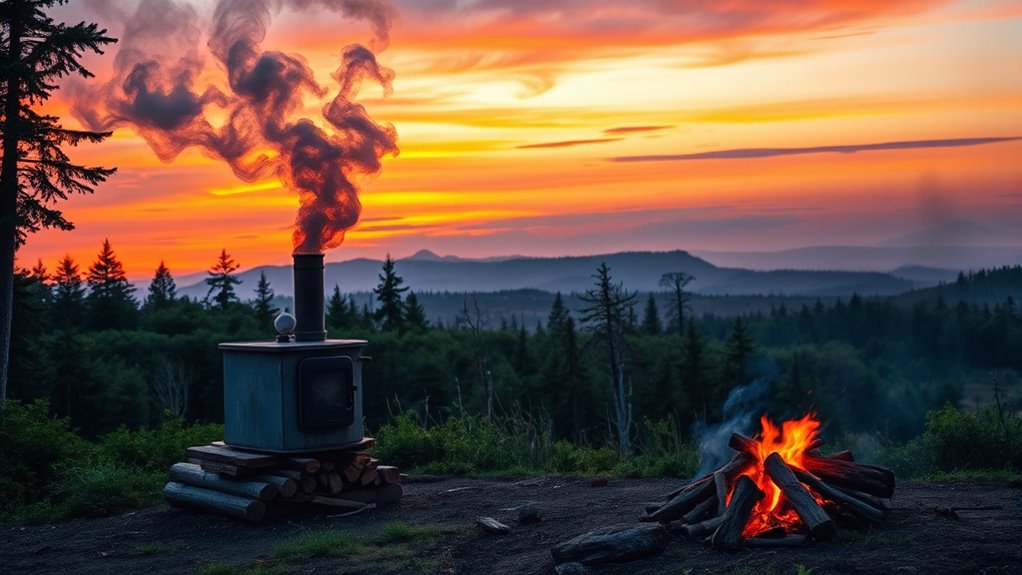

Burning wood for heat releases pollutants like particulate matter, carbon monoxide, and VOCs, which contribute to air pollution, climate change, and health problems. While traditional wood burning supports local traditions and can be sustainable, it often produces more emissions than cleaner energy sources like natural gas or electricity. Modern technologies and sustainable practices can help reduce its impact. To understand how these solutions balance tradition and environmental concerns, keep exploring this important topic.

Get backup power and energy gear delivered free with Prime
- Fast, free delivery on millions of items
- Prime Video, Amazon Music and more included
- Member-only deals all year
Key Takeaways
- Wood burning releases particulate matter and greenhouse gases, contributing to climate change and air pollution.
- Sustainable forestry and efficient appliances can reduce emissions and environmental impact.
- Modern combustion technologies lower particulate emissions, making wood burning cleaner.
- Comparing wood to fossil fuels shows higher pollutant emissions per energy unit, impacting climate health.
- Promoting renewable energy sources like solar and wind minimizes reliance on wood and reduces climate effects.
wood burning stove with emission control
As an affiliate, we earn on qualifying purchases.
As an affiliate, we earn on qualifying purchases.
The Role of Wood Burning in Traditional and Modern Heating

Wood burning has long been a cornerstone of traditional heating methods, providing warmth to homes and communities for centuries. It remains essential in many regions due to its cultural significance, often tied to local traditions and identities. When managed responsibly, sustainable forestry ensures that wood sources are replenished, supporting ongoing use without harming forests. This practice supports renewable resources and helps maintain ecological balance. This balance helps preserve the environment while maintaining a practical energy option. As modern heating technologies advance, wood burning still plays a role, especially in rural areas or for those seeking cost-effective solutions. Recognizing its cultural importance and promoting sustainable forestry practices allows you to appreciate traditional methods while minimizing environmental impact. Implementing fire safety measures and proper installation can further reduce risks associated with wood burning. Additionally, understanding forest management techniques can enhance the sustainability of wood use and support conservation efforts. Incorporating community-based forestry initiatives can also promote responsible harvesting and foster local stewardship. This approach helps sustain the social and historical aspects of wood burning, even as we navigate changing climate concerns.
Environmental Effects of Emissions From Wood Fires
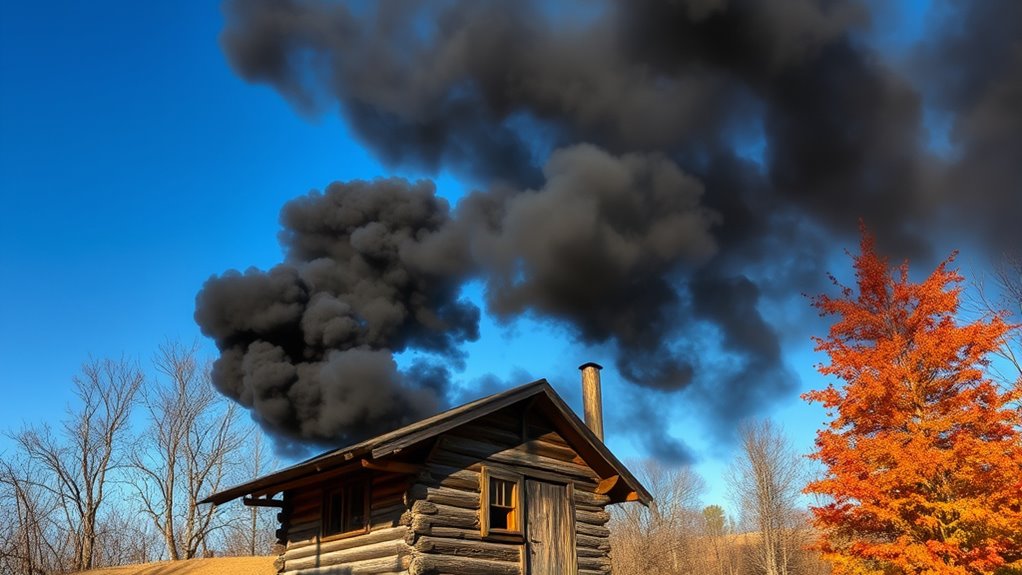
Although wood fires provide warmth and comfort, they also release a variety of pollutants into the atmosphere that can harm the environment. When you burn wood, particulate matter is released into the air, contributing to air pollution. These tiny particles can degrade indoor air quality, especially if you burn wood indoors or in poorly ventilated spaces. Particulate matter can cause respiratory issues and worsen existing health conditions. Outside, emissions from wood fires contribute to smog formation and climate change, as pollutants like carbon monoxide and volatile organic compounds are released. The environmental effects are significant, affecting both local air quality and the broader atmosphere. Reducing these emissions helps protect your health and the environment from the harmful impacts of wood burning. Efficient heating systems like heat pumps can significantly lower the reliance on wood fires, thereby reducing pollution and supporting environmental sustainability. Implementing emission control measures can further mitigate the environmental impact of wood combustion. Additionally, increasing awareness about air quality management can foster community efforts to reduce pollution from residential wood burning, which can also promote sustainable living practices.
Comparing Wood Burning to Other Energy Sources
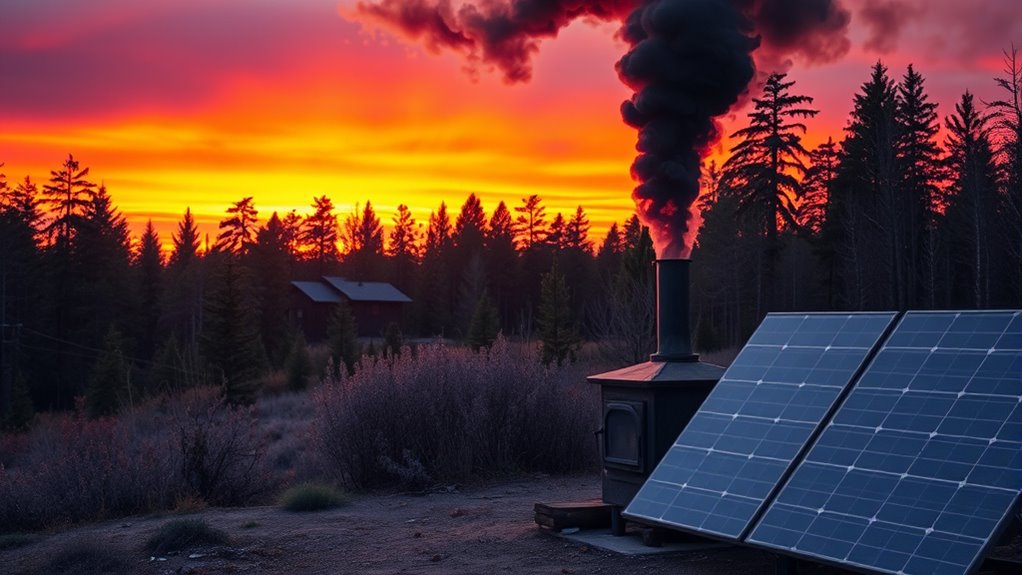
When comparing energy sources, it’s clear that wood burning releases more pollutants per unit of energy than cleaner alternatives like natural gas or electricity. These emissions can harm indoor air quality and pose health risks. Unlike fossil fuels, wood has renewable potential, but its environmental benefits depend on sustainable harvesting. While wood may seem eco-friendly, burning it indoors often releases indoor air pollutants that threaten your health. In contrast, electricity from renewable sources produces minimal pollutants and improves air quality. Natural gas offers a cleaner burning option, reducing indoor air pollutants and greenhouse gases. Additionally, the energy efficiency of different sources plays a crucial role in overall environmental impact. Ultimately, choosing cleaner energy sources helps protect your health and the environment, emphasizing that not all renewables are equal in impact.
Advances in Cleaner Wood Burning Technologies

Recent innovations have considerably improved the efficiency and cleanliness of wood burning devices, making them a more environmentally friendly option. Modern stoves and boilers now utilize advanced combustion technologies that reduce emissions and maximize heat output. These innovations support sustainable forestry by encouraging responsible harvesting practices, ensuring forests remain healthy and productive. Emission monitoring systems integrated into newer models allow you to track pollutants in real-time, helping you operate your device more cleanly. Additionally, cleaner burning technologies produce less smoke and particulate matter, which directly lowers air pollution and greenhouse gas emissions. Emission reduction technologies are also being developed to further decrease environmental impact and improve air quality. For example, combustion efficiency improvements help optimize fuel use and minimize pollutants released during burning. The development of air quality monitoring devices enables users to assess and improve their environmental footprint. Furthermore, advancements in emission control systems are leading to even cleaner and more sustainable wood burning practices. As a result, you can enjoy the benefits of wood heating while minimizing its environmental impact. These advancements demonstrate how technological progress can promote sustainable use of forest resources and cleaner air quality.
Strategies for Reducing the Carbon Footprint of Wood Use

To effectively reduce the carbon footprint of wood use, you should focus on sustainable harvesting practices, efficient combustion, and proper wood storage. Sustainable harvesting ensures forests regenerate, maintaining carbon absorption and reducing environmental harm. Using efficient combustion technologies minimizes emissions during burning, while proper storage prevents mold and decay, which can release additional greenhouse gases. Incorporating alternative fuels, like bioenergy or processed wood pellets, can further cut emissions. By choosing sustainably sourced wood and optimizing your burning methods, you directly contribute to lowering the climate impact. Additionally, advancements in AI-driven analytics are helping forestry managers monitor and improve sustainable harvesting practices.
Reducing wood use emissions through sustainable harvesting, efficient combustion, and proper storage lowers your climate impact.
- Commit to sustainable harvesting to protect our forests and future
- Switch to cleaner, more efficient wood-burning appliances
- Store wood properly to prevent unnecessary decay and emissions
- Explore alternative fuels for greener energy solutions
- Educate others on reducing their carbon footprint with smarter wood use
Frequently Asked Questions
How Does Wood Burning Affect Indoor Air Quality and Respiratory Health?
Wood burning can considerably impact your indoor air quality, leading to indoor pollution that triggers respiratory risks. When you burn wood indoors, smoke releases fine particles and harmful chemicals, which you breathe in. This increases your chances of developing respiratory issues like asthma or bronchitis. To protect your health, make certain proper ventilation and consider using cleaner-burning alternatives. Being mindful of indoor pollution from wood burning helps reduce your respiratory risks.
What Are the Economic Costs of Adopting Cleaner Wood Burning Technologies?
Did you know that adopting cleaner wood burning technologies can save households up to $200 annually in energy costs? When you consider a cost-benefit analysis, the initial investment often pays off quickly through improved efficiency and health benefits. Economic incentives, like subsidies or tax breaks, make switching more affordable. Overall, the long-term savings and environmental benefits outweigh the upfront costs, making this a smart choice for your wallet and the planet.
Can Certain Types of Wood Burning Be Completely Carbon-Neutral?
You might wonder if certain types of wood burning can be completely carbon-neutral. Achieving carbon neutrality depends on sustainable practices, like using locally sourced, renewable wood and ensuring responsible harvesting. When done correctly, some wood-burning methods can minimize net carbon emissions, but it’s tough to guarantee complete neutrality. Balancing efficiency and sustainability is key to making wood burning more environmentally friendly and reducing its impact on the climate.
How Do Seasonal Changes Influence the Environmental Impact of Wood Fires?
Did you know that seasonal emission variations can be up to 50% higher in winter? You can see weather influence in how colder, still air traps pollutants, increasing local pollution from wood fires. During milder seasons, better airflow disperses smoke, reducing impact. Your wood burning habits are affected by these seasonal changes, so adjusting your use during high pollution periods helps lessen environmental harm and protects air quality year-round.
What Policies Are Effective in Regulating Sustainable Wood Harvesting?
When considering sustainable harvesting, you should focus on policies that promote responsible forest management and enforce harvesting limits. Effective policies include strict licensing, reforestation requirements, and monitoring systems to guarantee compliance. You can evaluate policy effectiveness by tracking forest health and regeneration rates. By supporting transparent regulations and community involvement, you help maintain sustainable harvesting practices that protect ecosystems and ensure long-term resource availability.
Conclusion
As you weigh the warmth of wood against the world’s well-being, remember that mindful methods make a difference. By embracing cleaner technologies and cutting emissions, you can curb carbon costs and create a cleaner climate. Your choices matter—minimize mess, master moderation, and make mindful moves. Together, through thoughtful timber use, you can help heal the Earth’s environment, turning smoky scars into sustainable stories for a brighter, greener future.
Fall Picks
fall essentials
As an affiliate, we earn on qualifying purchases.