
I’ve always been captivated by the smokey taste of meats prepared over a wood fire, but recently, my interest has shifted towards experimenting with a wood pellet grill. As a result, I decided to transform my reliable horizontal wood smoker into a versatile wood pellet grill.
With a few tools and some know-how, I was able to transform my old setup into an efficient cooking machine.
In this article, I’ll guide you through the process step-by-step, so you too can enjoy the convenience and flavor of a wood pellet grill.
Key Takeaways
- Removing and upgrading components such as the firebox and grates is necessary for converting a horizontal wood smoker to a wood pellet grill.
- Proper installation of the pellet hopper and auger system is crucial, including securely attaching the hopper to the smoker and connecting the auger motor.
- Connecting the control panel and temperature probe correctly is important for monitoring and controlling the pellet grill.
- Adjusting airflow and ventilation is essential for achieving optimal smoke production and flavor when using wood pellets instead of traditional wood.
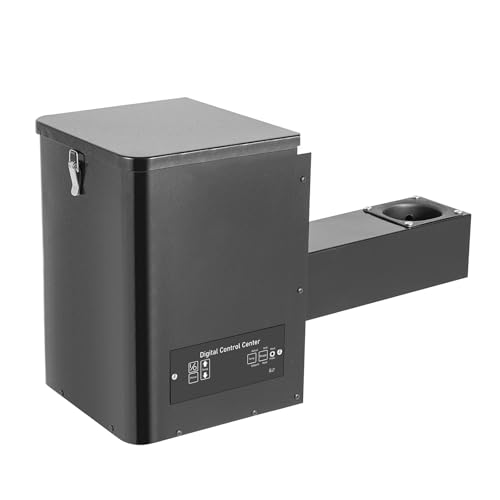
Pellet BBQ Smoker Hopper Assembly Kit, 250W 110V Electric Wood Pellet Smoker Grill Part Pellet Smoker Conversion Kit with Digital Temperature Controller for BBQ Smoke Bake Roast Braise Grill
- Durable Construction: Cold-rolled shell with high-temperature powder coating
- Corrosion & Heat Resistant: Stainless steel firepot and steel components
- Large Pellet Capacity: Stores 5-10 pounds of pellets
As an affiliate, we earn on qualifying purchases.
As an affiliate, we earn on qualifying purchases.
Gather the Necessary Tools and Materials
To convert your horizontal wood smoker to a wood pellet grill, you’ll need to gather the necessary tools and materials.
First, make sure you have a drill with various drill bit sizes for making holes in the smoker’s body and installing new components.
Next, a wrench set will come in handy for removing and attaching different parts.
As for materials, you’ll need a pellet hopper assembly kit specifically designed for smokers. This kit includes the hopper itself, auger system, and controller.
To ensure proper insulation and prevent heat leakage, you’ll also need high-heat silicone sealant.
Lastly, don’t forget to get some stainless steel screws and bolts for securing the new components onto your smoker.
Now that we have everything ready, let’s move on to removing the existing firebox and grates without causing any damage or hassle.
Remove the Existing Firebox and Grates
To begin, remove the firebox and grates from your existing smoker. This step is crucial in converting your horizontal wood smoker to a wood pellet grill. Removing the firebox will create space for the new pellet hopper and auger system. The firebox can typically be detached by unscrewing or removing bolts that hold it in place. Once removed, set it aside as you won’t be needing it anymore.
Next, upgrade the grates of your smoker. Wood pellet grills require specific types of grates that allow for even heat distribution and better airflow. Look for stainless steel or cast iron grates that are compatible with pellet cooking.
Now that you have removed the firebox and upgraded the grates, we can move on to installing the pellet hopper and auger system.
Install the Pellet Hopper and Auger System
Once the firebox and grates have been removed, it’s time to install the pellet hopper and auger system. This crucial step in converting your wood smoker to a wood pellet grill will ensure a seamless transition to a more convenient and efficient cooking experience.
Here are some important things to keep in mind when installing the hopper and auger:
- Ensure that the hopper is securely attached to your smoker.
- Connect the auger motor to the hopper, ensuring proper alignment.
- Double-check all connections for any loose or disconnected parts.
- Test the auger system by running it without pellets to ensure smooth operation.
- Troubleshoot common conversion issues such as jammed augers or inconsistent pellet feeding.
With the hopper and auger properly installed, you’re now ready to move on to connecting the control panel and temperature probe, which will allow you full control over your new wood pellet grill.
Connect the Control Panel and Temperature Probe
After securely attaching the hopper and auger, it’s time to connect the control panel and temperature probe for full control over your new pellet grill. The control panel is where you will be able to adjust the temperature settings and monitor the cooking process. It is usually located on the front of the grill and can be easily connected with a few simple steps.
To connect the control panel, locate the corresponding ports on both the control panel itself and the main body of your smoker. These ports are typically labeled for easy identification. Once located, simply plug in the connectors until they click into place.
Next, you’ll need to connect the temperature probe. This probe allows you to accurately monitor and regulate the internal temperature of your grill. Insert one end of the probe into its designated port on either side of your smoker.
Troubleshooting tip: If you encounter any issues with connecting or using your control panel or temperature probe, consult your manufacturer’s manual for specific troubleshooting instructions.
Now that we have successfully connected our control panel and temperature probe, let’s move on to adjusting airflow and ventilation for optimal pellet smoking performance without compromising flavor or heat distribution.
Adjust Airflow and Ventilation for Pellet Smoking
When it comes to achieving the perfect pellet smoke flavor, optimal airflow is key. Proper ventilation for pellet grilling ensures that the smoke circulates evenly around the food, resulting in deliciously smoky and flavorful dishes.
Adjusting the air intake on your grill allows you to control the amount of oxygen entering the firebox, ultimately influencing the temperature and smoke production.
Optimal Pellet Smoke Airflow
To ensure optimal pellet smoke airflow in your converted wood smoker, make sure to adjust the vents accordingly. Proper airflow is crucial for achieving that signature pellet smoke flavor and ensuring even cooking throughout your food.
When using a wood pellet grill, it’s important to understand that the pellets burn differently compared to traditional wood chips or chunks. The key is to create an environment where the pellets can produce a steady stream of smoke without smothering the fire.
By adjusting the vents, you can control the amount of oxygen reaching the fire, which directly affects how much smoke is produced. This allows you to experiment with different pellet smoking techniques and achieve the perfect balance of flavor and heat.
Now let’s move on to discussing ventilation for pellet grilling without compromising on quality smoky goodness.
Ventilation for Pellet Grilling
For proper ventilation while pellet grilling, adjust the vents to control the airflow and achieve consistent smoke production. Airflow control is crucial in ensuring that your wood pellets burn efficiently and produce a steady flow of smoke throughout the cooking process.
By adjusting the vents, you can regulate how much oxygen reaches the firebox, which directly affects the intensity of heat and smoke circulation inside your grill. Opening the vents allows for increased airflow and higher temperatures, while closing them restricts oxygen intake, resulting in lower temperatures and reduced smoke production.
Finding the right balance is key to achieving that perfect smoky flavor in your food.
Now let’s explore another important aspect of ventilation: adjusting air intake…
Adjusting Air Intake
Adjusting the air intake on your grill can significantly impact the temperature and smoke production. The air intake adjustment is a crucial aspect of controlling the cooking environment in your wood pellet grill conversion. By adjusting the air intake, you can regulate the flow of oxygen into the firebox, which directly affects combustion and temperature control. Opening the air intake will increase airflow, leading to higher temperatures and more intense heat. Conversely, closing it will restrict airflow, resulting in lower temperatures. Finding the right balance between these adjustments is key to achieving optimal cooking conditions for different recipes.
Furthermore, proper temperature control ensures that your food cooks evenly and achieves that perfect smoky flavor we all love.
To test and fine-tune the conversion for optimal performance, we must now move onto another important step: monitoring and adjusting the pellet feed rate.
Test and Fine-Tune the Conversion for Optimal Performance
When it comes to enhancing the performance of any device or system, there are various techniques that can be implemented.
In the case of converting a horizontal wood smoker to a wood pellet grill, adjusting for optimal results is crucial.
Performance Enhancement Techniques
One way to enhance the performance of your wood pellet grill is by using a drip pan to collect excess grease. This not only prevents flare-ups and reduces the risk of fires, but it also helps maintain consistent heat distribution for better cooking results.
In addition to using a drip pan, here are some other techniques that can improve the performance of your wood pellet grill:
- Regularly clean the grill’s components to prevent clogs and ensure proper airflow.
- Optimize pellet fuel efficiency by using high-quality pellets and adjusting the feed rate according to your desired temperature.
- Conduct performance testing regularly to identify any issues or areas for improvement.
- Consider adding accessories such as a thermal blanket or smoke tube to further enhance your grilling experience.
Adjusting for Optimal Results
To achieve optimal results on your wood pellet grill, it’s important to make adjustments based on the desired cooking temperature. One key aspect of achieving the perfect temperature is adjusting the temperature control on your grill. This allows you to fine-tune the heat and ensure that your food cooks evenly and thoroughly.
Start by preheating your grill to the desired temperature, then adjust the control accordingly. If you find that your grill is not reaching or maintaining the desired temperature, there are a few common issues you can troubleshoot.
Check for any obstructions in the airflow, such as ash buildup or clogged vents. Additionally, make sure that you have enough fuel in the hopper and that it is properly feeding into the fire pot.
Frequently Asked Questions
How Much Does It Cost to Convert a Horizontal Wood Smoker to a Wood Pellet Grill?
Converting a horizontal wood smoker to a wood pellet grill can be costly. However, when considering the cost comparison and benefits of wood pellet grills, it may be worth the investment for improved convenience and versatility.
Can I Still Use Charcoal or Wood Chips in My Converted Wood Pellet Grill?
Sure, you can still use charcoal and wood chips in your converted wood pellet grill. However, the benefits of using wood pellets are that they provide consistent heat and flavor without the need for constant refueling.
Will the Conversion Affect the Cooking Capacity of My Smoker?
The conversion may affect the cooking capacity of your smoker. It’s important to consider the differences in heat distribution between wood chips and wood pellets, as well as any modifications made during the conversion process.
Are There Any Safety Considerations I Should Be Aware of When Using a Converted Wood Pellet Grill?
When using a converted wood pellet grill, it’s important to consider safety. Make sure to follow all manufacturer instructions and guidelines. Additionally, regular maintenance of the grill will ensure its longevity and safe operation.
Can I Easily Switch Back to Using Wood or Charcoal After the Conversion?
Switching back to traditional fuel sources is possible after the conversion. The reversibility of the process allows for easy transition between wood pellets, wood, and charcoal depending on your preference or availability of fuel.
Conclusion
In conclusion, after embarking on the journey of converting my horizontal wood smoker to a wood pellet grill, I can confidently say that it has been a game-changer.
Like a phoenix rising from the ashes, my smoker has transformed into a culinary masterpiece that exudes sophistication and precision.
With the right tools, materials, and a little bit of know-how, anyone can unlock the full potential of their smoker and elevate their grilling experience to new heights.
So go forth, fellow grill enthusiasts, and let your creativity soar as you savor the delectable flavors that only a wood pellet grill can deliver.