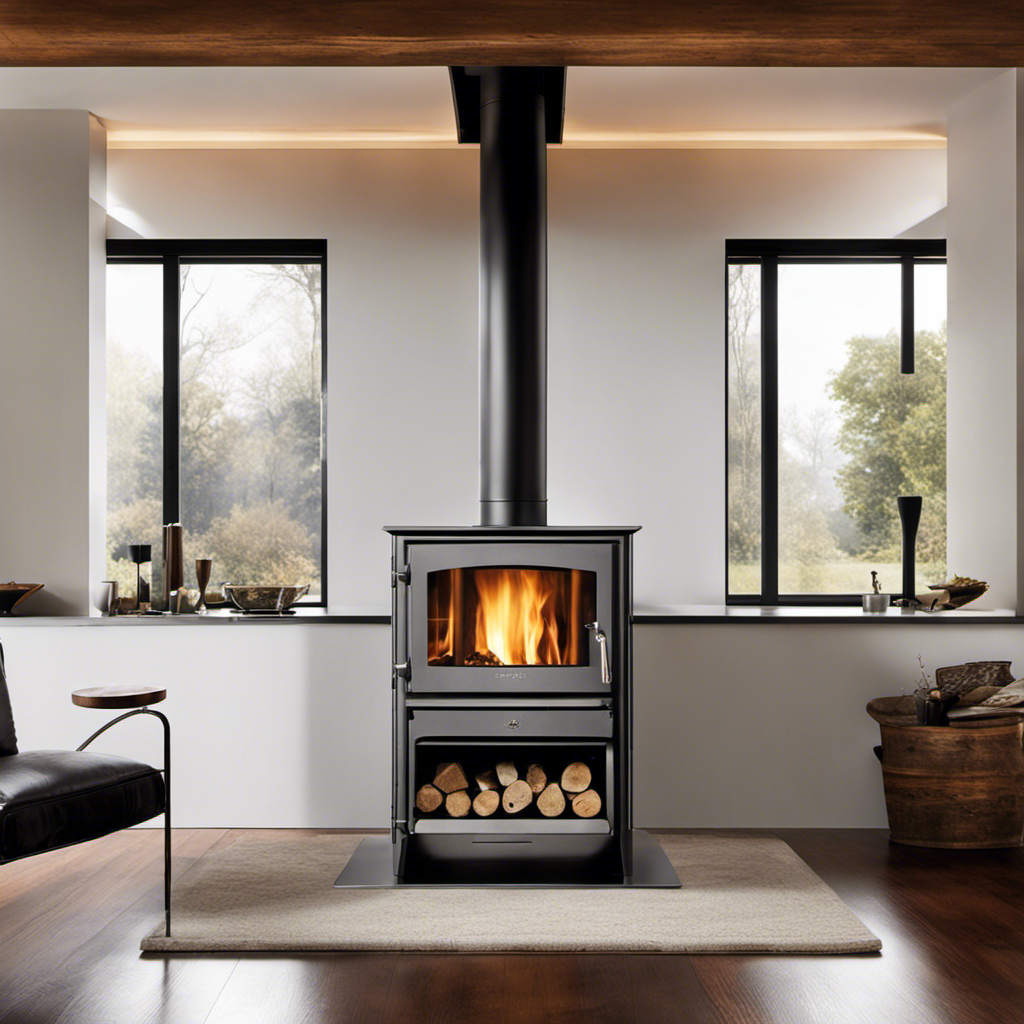
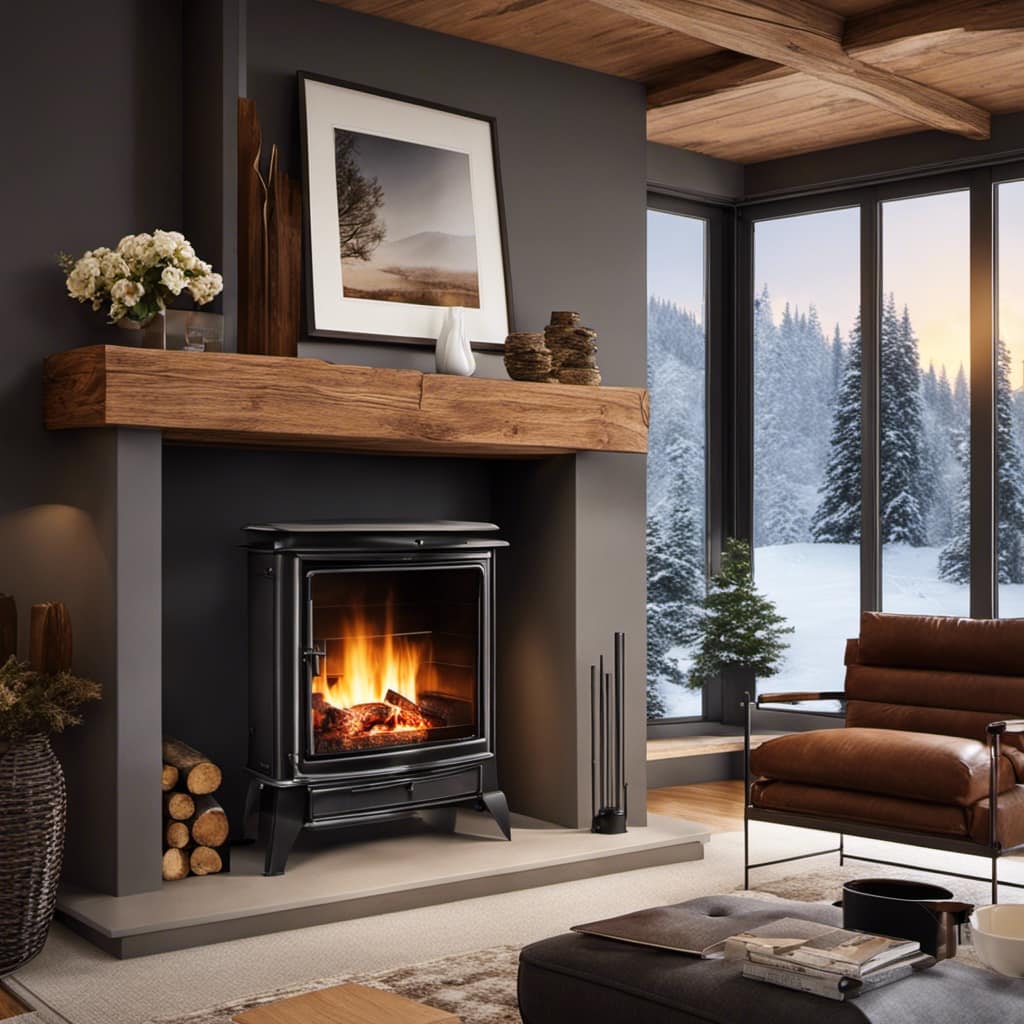
During power outages, wood stoves provide reliable, off-grid heat that keeps your home warm and comfortable. They burn seasoned wood to generate heat efficiently and can operate without electricity, offering a dependable warmth source when needed most. Proper installation, safe operation, and regular maintenance guarantee they work safely and effectively. To learn more about how to keep your home cozy during outages, explore the essential safety tips and best practices.

Get backup power and energy gear delivered free with Prime
- Fast, free delivery on millions of items
- Prime Video, Amazon Music and more included
- Member-only deals all year
Key Takeaways
- Wood stoves generate heat through combustion, providing reliable warmth independent of electrical power.
- They create a consistent heat source that can warm entire rooms or homes during outages.
- Proper installation and maintenance ensure safe, efficient operation when electricity is unavailable.
- Using seasoned hardwood reduces smoke and creosote buildup, maximizing heat output during outages.
- Wood stoves offer a cost-effective alternative for heating during extended power failures, ensuring comfort and safety.

During power outages, wood stoves become an essential source of heat and comfort. When the electricity goes out, your home can quickly become cold and uncomfortable, especially during winter months. A wood stove provides a reliable and efficient way to keep your living space warm without depending on a power grid. However, guaranteeing safety during operation is crucial. Before installing or using your wood stove, you need to familiarize yourself with safety precautions to prevent accidents or hazards. Proper ventilation is vital; always ensure your stove is installed with adequate clearance from combustible materials, and never block the chimney or vents. Keep a fire extinguisher nearby, and make sure smoke and carbon monoxide detectors are functioning properly. Also, avoid overfiring the stove, which can cause dangerous creosote buildup or damage to the appliance. Regularly inspect your stove and chimney for cracks or obstructions, and schedule professional inspections annually for peace of mind.
Implementing proper ventilation and clearance ensures efficient operation and safety during use. When it comes to installation tips, you want to make sure your wood stove is set up correctly from the start. First, choose a suitable location—ideally, a spot with a sturdy, non-combustible surface, such as a concrete or tile hearth, to prevent heat damage to flooring. Ensure there’s enough clearance around the stove according to manufacturer guidelines; this space allows heat to dissipate safely and minimizes fire risks. Installing a proper chimney system is essential for safe venting of smoke and gases. The chimney should be installed with the correct pitch and insulation to ensure good draft and prevent downdrafts. If you’re not experienced, hiring a professional installer is highly recommended. They can help you follow all safety precautions, including proper sealing and clearance, ensuring your stove operates efficiently and safely.
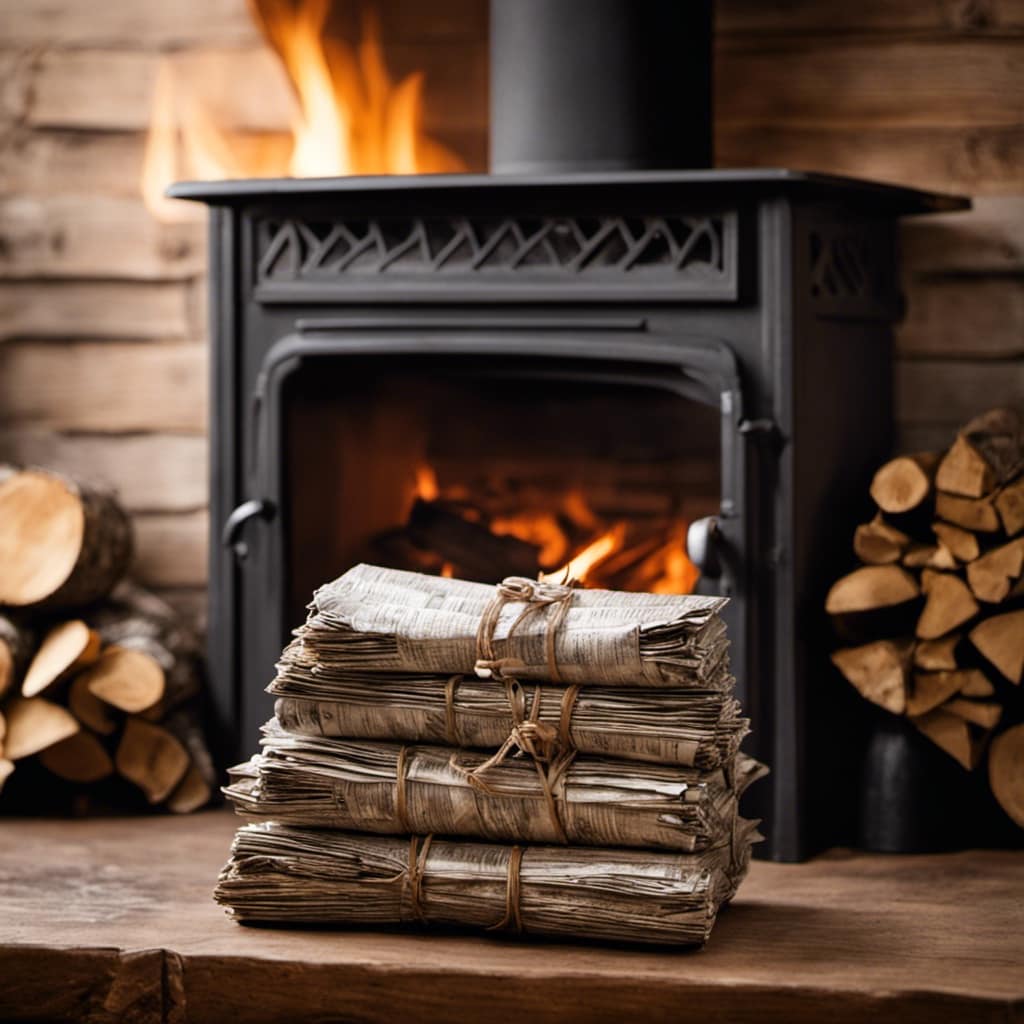
Additionally, consider the type of wood you burn—seasoned hardwoods produce less creosote and heat more efficiently. Keep fire-starting materials and logs stored away from the stove to prevent accidental ignition. During outages, always use dry, seasoned wood for cleaner burning and less smoke. Remember, a well-installed and maintained wood stove can serve as a dependable heat source during power outages, but only if safety measures are followed diligently. Proper installation and safety precautions not only protect your home and loved ones but also ensure your wood stove functions effectively when you need it most. With the right setup, you’ll have a reliable, cozy heat source that keeps you warm and comfortable during even the longest power interruptions.
As an affiliate, we earn on qualifying purchases.
Frequently Asked Questions
Can Wood Stoves Be Used Safely Indoors During Outages?
Yes, you can safely use a wood stove indoors during outages if you follow safety guidelines. Make certain good indoor air quality by installing proper ventilation and using a carbon monoxide detector. Regularly inspect your stove for leaks or cracks, and never leave it unattended while burning. Keep combustible materials away, and always follow manufacturer instructions to minimize the carbon monoxide risk and maintain a safe, warm environment.
How to Maintain a Wood Stove for Emergency Use?
Think of your wood stove as a trusty fortress during emergencies. To keep it ready, regularly inspect and clean the chimney to prevent dangerous creosote buildup. Manage your wood supply by drying and storing it properly, ensuring a steady burn when needed. Check seals and ash removal tools, and practice safe operation. This routine maintains efficiency, safety, and warmth, making your stove a reliable ally in power outages.
Are There Portable Wood Stoves Suitable for Outages?
Yes, there are portable wood stoves perfect for outages. You can find models designed for portable heating and outdoor solutions, making them easy to move and set up wherever needed. These stoves are ideal for camping, RVs, or emergency situations, providing reliable warmth without electricity. Just guarantee you choose a stove with proper ventilation and safety features, so you stay warm and safe during power outages.
What Safety Precautions Should Be Taken With Wood Stoves?
Think of safety with your wood stove as tending a delicate garden. You should always keep the area clear of combustible materials to prevent fire hazards. Guarantee proper ventilation safety by installing a chimney and venting system to avoid smoke buildup. Regularly inspect your stove and chimney for cracks or creosote buildup. Never leave the stove unattended while in use, and keep a fire extinguisher nearby for emergencies.
How Long Can a Wood Stove Reliably Provide Heat?
A wood stove can reliably provide heat for several hours, depending on your fuel efficiency and heat output. Typically, a full load of seasoned wood can keep your stove burning steadily for 4 to 12 hours. You can extend this by adjusting the air supply and choosing efficient wood types. Remember, proper maintenance and using quality fuel help guarantee consistent warmth during power outages.
Conclusion
A wood stove isn’t just a source of heat; it’s your anchor in the storm when power fails. It keeps your home warm and your spirits high, like a steady heartbeat in a frozen world. When the lights go out, your stove becomes a beacon of comfort, turning icy nights into cozy memories. Embrace its warmth, and let it be the steady flame guiding you through the chill.
Halloween Picks
halloween
As an affiliate, we earn on qualifying purchases.