A wood stove typically lasts between 15 and 30 years, depending on the type, quality, and how well you maintain it. Proper installation, regular cleaning, and using sustainable firewood can extend its life. Cast iron stoves tend to last the longest, around 20-30 years, while steel models may last 15-20 years. Keep an eye out for signs like cracks or rust, and follow best maintenance practices — if you want your stove to serve you well for years, there’s more to contemplate below.
Key Takeaways
- Cast iron stoves typically last 20-30 years with proper installation and maintenance.
- Steel stoves have an average lifespan of 15-20 years, influenced by usage and care.
- Soapstone stoves can exceed 30 years due to durable materials and heat retention.
- Regular cleaning, inspection, and proper ventilation significantly extend a stove’s lifespan.
- Choosing high-quality, well-designed models and performing routine maintenance ensures longevity.
Factors That Influence the Lifespan of a Wood Stove
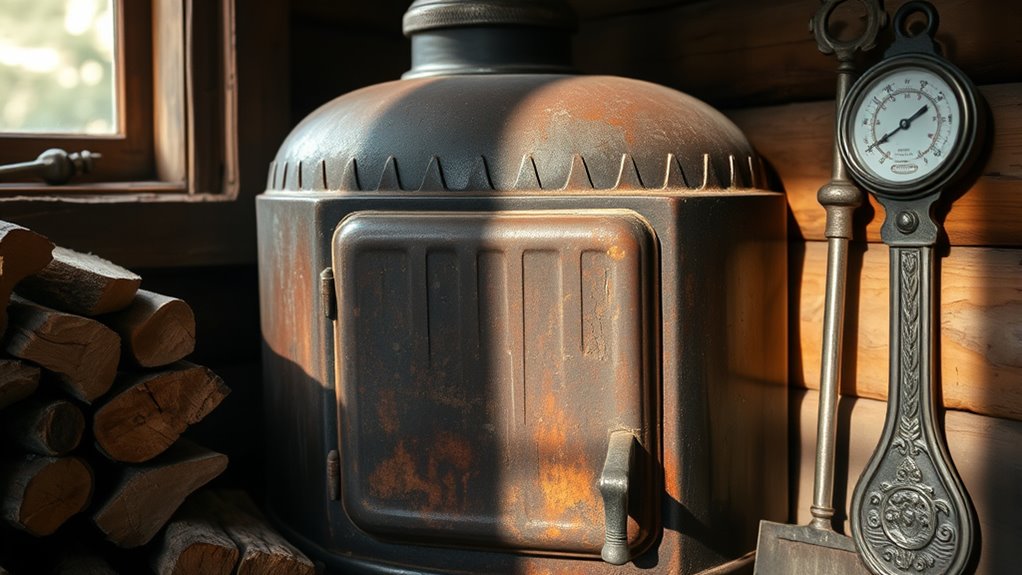
Several key factors determine how long your wood stove will last. One major aspect is ventilation efficiency, which affects how well smoke and gases exit the stove, preventing buildup that can cause corrosion or damage over time. Proper ventilation guarantees your stove operates safely and prolongs its lifespan. Additionally, installation quality plays a critical role; a professionally installed stove is less likely to experience issues like leaks, uneven wear, or improper airflow. Poor installation can lead to stress on components and accelerate deterioration. Regular maintenance also supports longevity, but even the best care won’t fully counteract the effects of subpar ventilation or shoddy installation. Ensuring proper airflow and utilizing sustainable wood fuel helps reduce emissions and wear on your stove. Using vetted heating accessories can further enhance the stove’s performance and durability. Proper airflow management is essential to prevent buildup and ensure consistent operation. By ensuring your stove is correctly installed and has ideal ventilation, you set the foundation for a longer, more reliable lifespan. Regular inspections and cleaning, such as chimney cleaning, also play a crucial role in maintaining optimal performance and extending the longevity of your wood stove.
Typical Durability Expectations for Different Types of Wood Stoves
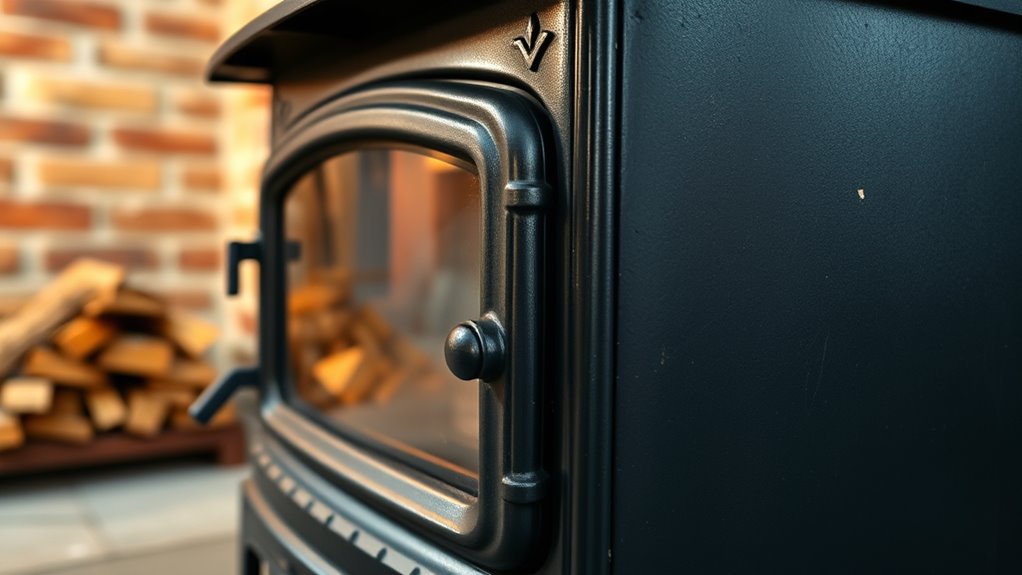
The durability of your wood stove largely depends on its type, with each offering different expected lifespans based on design, materials, and usage. Cast iron stoves often last 20-30 years, thanks to their durability, but require proper installation considerations to prevent cracking. Steel stoves tend to last around 15-20 years and are lighter, offering more aesthetic options to match your style. Soapstone stoves can last 30+ years, thanks to their heat retention and natural material strength. Proper maintenance practices significantly influence the longevity of your stove, helping prevent issues such as corrosion or warping. Additionally, selecting a stove with high-quality materials and construction can further extend its lifespan. Regular cleaning not only maintains efficiency but also helps identify early signs of wear, ensuring your stove remains safe and functional for years to come. Here’s a quick comparison:
| Type | Typical Lifespan | Key Considerations |
|---|---|---|
| Cast Iron | 20-30 years | Heavy, prone to cracking |
| Steel | 15-20 years | Lighter, versatile design |
| Soapstone | 30+ years | Long-lasting, aesthetic appeal |
Signs Your Wood Stove May Need Replacement or Repairs
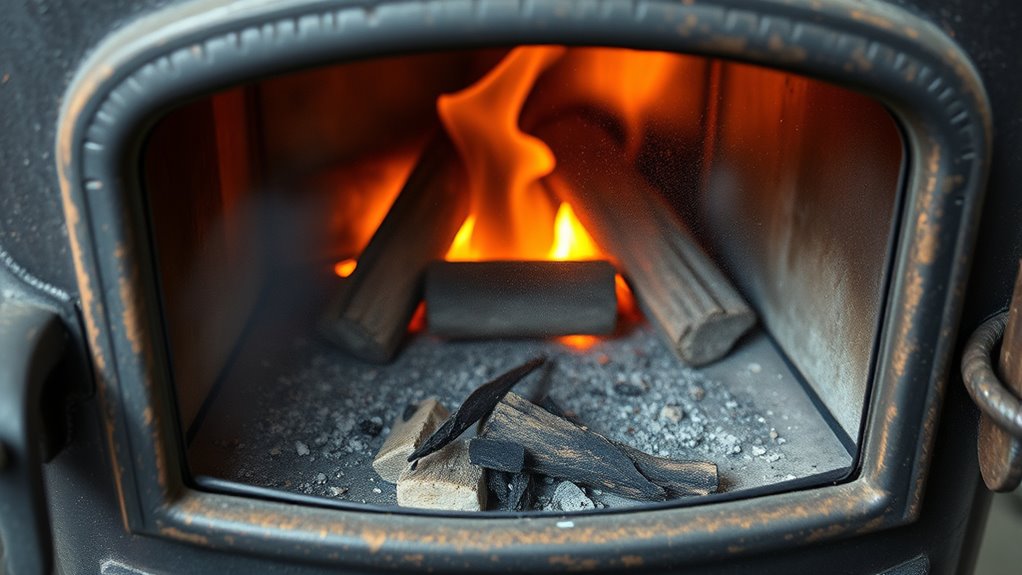
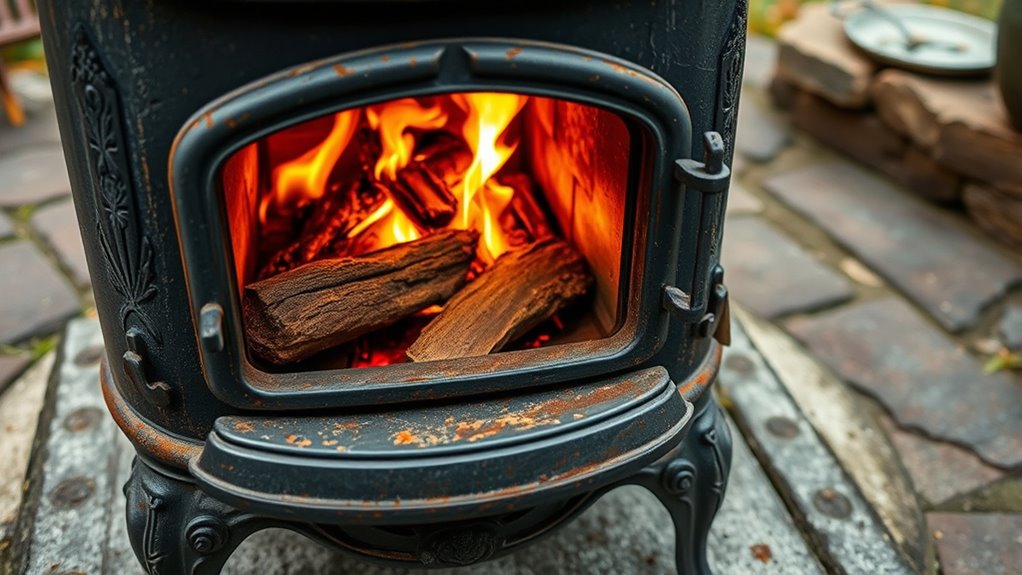
Even with proper maintenance, your wood stove can start showing signs that it’s time for repairs or replacement. If you notice excessive smoke or difficulty maintaining a consistent burn, it may indicate a chimney inspection is needed to check for blockages or creosote buildup. Cracks or crumbling firebricks are clear signs you should consider firebrick replacement, as damaged bricks can compromise heat efficiency and safety. Rust spots or corrosion on the stove’s exterior suggest the metal is deteriorating and might require repair. Unusual odors or smoke spilling into your home point to potential venting issues. Regular fabric decorating markers can help you mark or identify problematic areas for easier maintenance. Additionally, understanding Gold IRA Rollovers can help you stay informed about investment options that secure your financial future. Recognizing industry transformations, such as emerging technologies, can also aid you in making better decisions for your home’s heating system. Being aware of relationship patterns, such as recurring issues, can also help you address underlying problems in your home or personal life. Catching these signs early helps prevent more costly damage and keeps your stove operating safely and efficiently.
Essential Maintenance Practices to Extend Your Stove’s Life
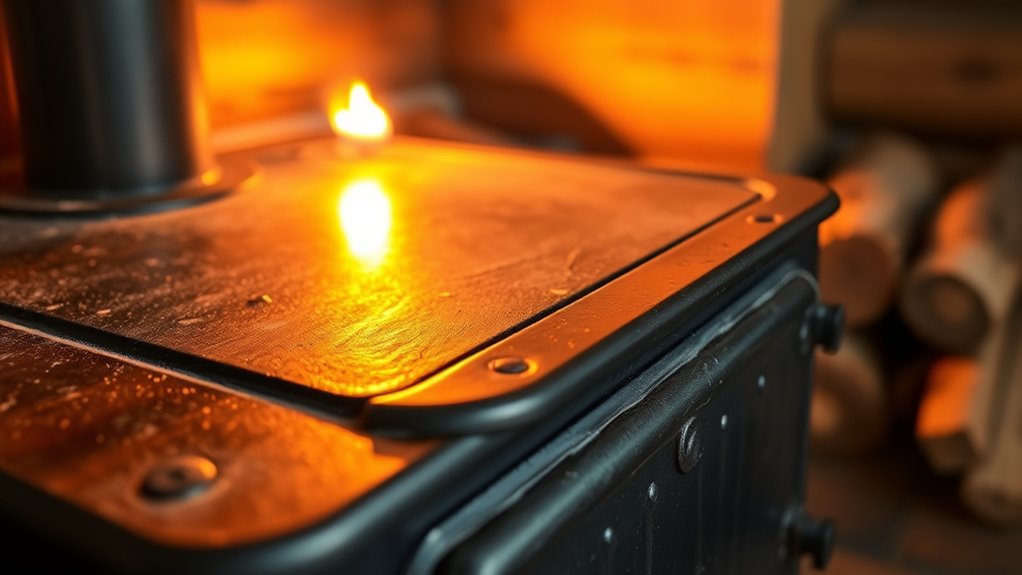
Regularly cleaning your wood stove is essential for maintaining its efficiency and longevity. Start with chimney cleaning to prevent creosote buildup, which can cause dangerous fires and reduce airflow. A clean chimney guarantees proper venting and helps your stove operate safely. Also, make ash removal a routine task; accumulated ash can block air intake and diminish heat output. Always wait until the stove cools before scooping out ashes, and dispose of them safely. Keeping the firebox clean prevents soot and debris from impairing performance. Additionally, check for any signs of wear or damage during cleaning to catch issues early. Regular maintenance, including adherence to fire safety regulations, like chimney cleaning and ash removal, not only keeps your stove running smoothly but also extends its lifespan, saving you money and ensuring safe operation for years to come. Incorporating proper maintenance schedule practices can further optimize your stove’s performance and durability over time.
Tips for Choosing a Long-Lasting Wood Stove
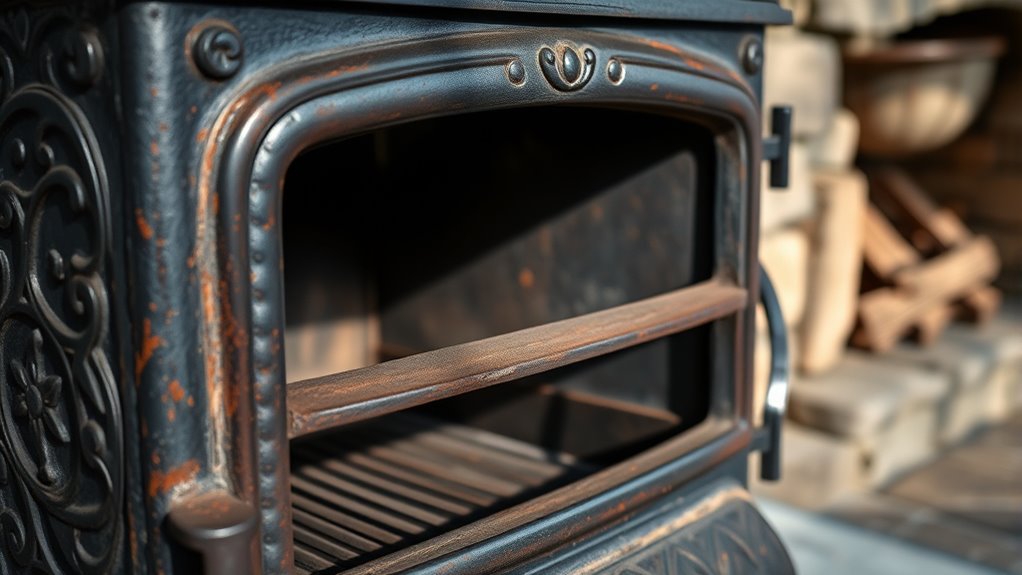
Choosing a long-lasting wood stove involves considering factors like build quality, material durability, and design features that promote longevity. Focus on material selection to guarantee the stove withstands high temperatures and corrosion. Proper installation location is essential; place the stove on a non-combustible surface and away from flammable objects to prevent damage and safety hazards. Look for models with robust construction, reinforced seams, and high-quality firebricks. Consider energy-efficient designs that minimize wear over time. Additionally, check for ease of maintenance, which can extend your stove’s lifespan. Regular cleaning and inspection are crucial for optimal performance and safety, especially given the importance of fire safety standards in ensuring long-term durability. Incorporating features like advanced insulation can also help maintain efficiency and reduce wear, while understanding the materials used in construction can guide you toward more resilient options. Staying informed about proper stove operation can further enhance longevity and safety. These tips will help you select a durable, reliable stove that lasts for years with proper care.
Frequently Asked Questions
How Often Should I Schedule Professional Inspections for My Wood Stove?
You should schedule a professional inspection for your wood stove at least once a year to guarantee safety and efficiency. Following a proper maintenance schedule, including regular cleaning and checks, helps prevent problems. Inspection frequency depends on usage; if you use your stove heavily, consider more frequent inspections. A yearly professional check can catch issues early, extend your stove’s lifespan, and keep your home safe during colder months.
Can Using Improper Fuel Reduce My Wood Stove’S Lifespan?
They say “garbage in, garbage out,” and it’s true for your wood stove. Using improper fuel can cause buildup, damage, and reduce your stove’s lifespan. Poor fuel quality leads to inefficient burning and increased wear. Regular stove maintenance helps, but always choose dry, seasoned wood for ideal performance. Avoid low-quality or wet wood to keep your stove running smoothly and prolong its life.
Are There Specific Brands Known for Longer-Lasting Wood Stoves?
You might wonder if certain brands last longer. Look for brands with a strong reputation for quality and durability, as they often use better materials that stand up to wear and tear. Brands known for their craftsmanship typically produce wood stoves with superior material durability. By choosing a reputable brand, you’re more likely to get a stove that endures over time, giving you reliable warmth and fewer repairs.
How Does Climate Impact the Longevity of My Wood Stove?
Did you know that environmental factors can cut your wood stove’s lifespan by up to 20%? Climate effects like high humidity, extreme cold, or frequent temperature swings accelerate wear and corrosion. If you live in a damp or salty environment, your stove faces more corrosion, reducing its longevity. To keep it working longer, protect it from harsh weather and perform regular maintenance, regardless of your climate.
What Are Common Early Signs of a Failing Wood Stove?
You should watch for early failure signs like excessive smoke or unusual odors, which indicate your wood stove needs attention. Cracks in the firebox or door seals also signal potential issues. Maintenance indicators include inconsistent heating or difficulty starting fires. Addressing these early signs promptly helps prevent bigger problems, extends your stove’s lifespan, and keeps it operating efficiently. Regular inspections and timely repairs are key to avoiding costly replacements.
Conclusion
With proper care and regular maintenance, your wood stove can last decades, providing cozy warmth for years to come. Think of it like a trusted friend—invest in cleaning, inspections, and timely repairs, and you’ll enjoy reliable heat without the constant worry of replacement. Don’t let concerns about longevity hold you back; a well-maintained stove is a smart, durable choice that keeps your home warm and inviting for many seasons ahead.