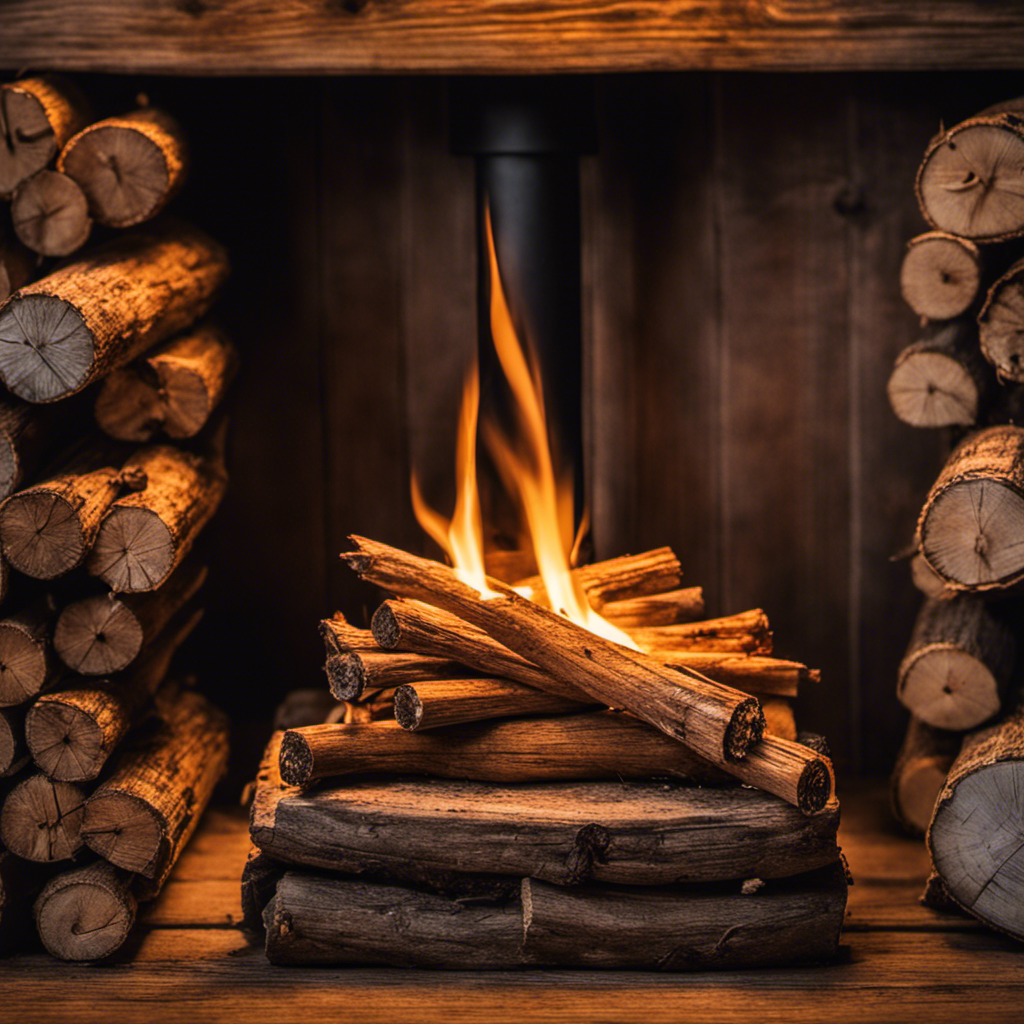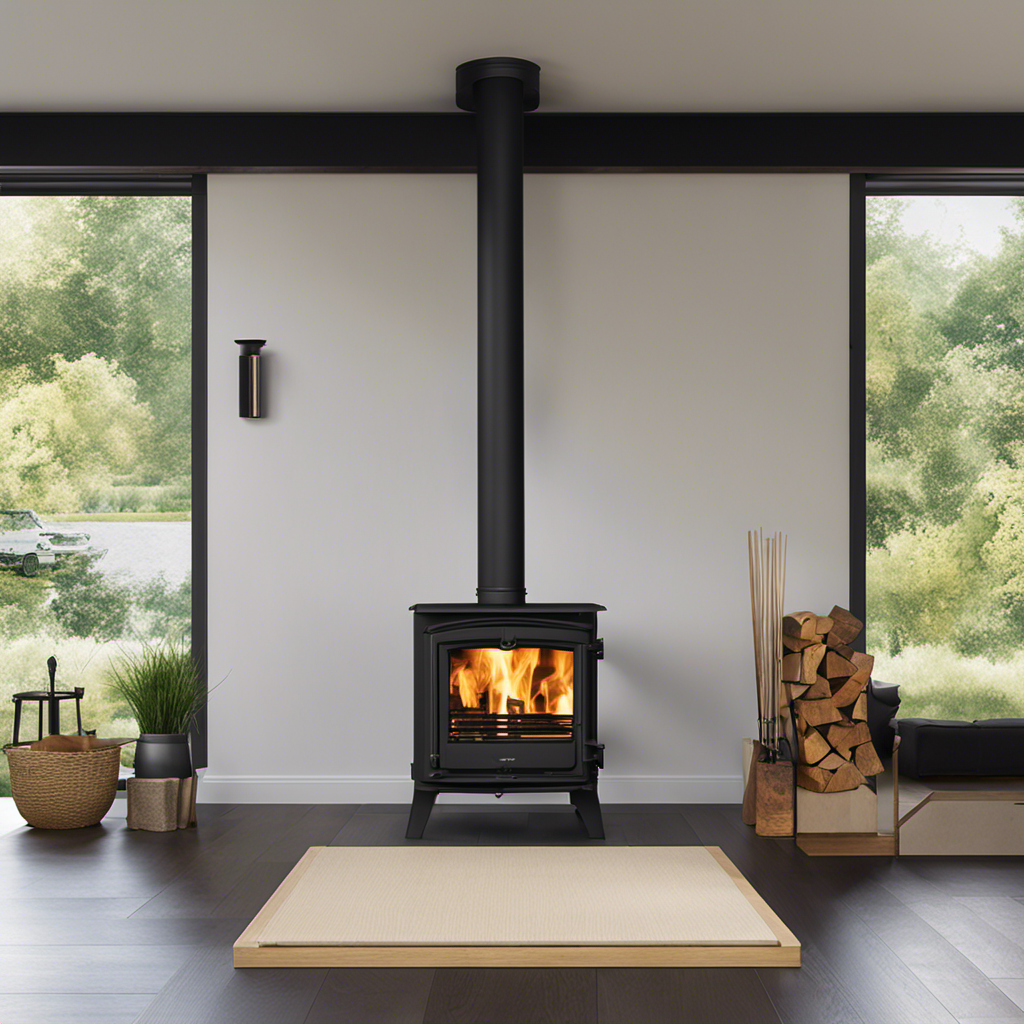
Wood smoke releases tiny particles and harmful chemicals into your indoor air, which can cause immediate respiratory symptoms like coughing, wheezing, and sore throat. Continuous exposure increases your risk of long-term health issues such as asthma, bronchitis, and COPD, especially if you have pre-existing conditions or are vulnerable like children and the elderly. Improving ventilation and using cleaner-burning systems can help protect your health. To understand how to safeguard yourself better, keep exploring this important topic.

Get backup power and energy gear delivered free — and shop member deals
- Fast, free delivery on millions of items
- Access to Prime Big Deal Days deals on October 6–7
- Prime Video, Amazon Music and more included
Key Takeaways
- Burning wood releases harmful particles and chemicals that can linger indoors, affecting air quality and health.
- Short-term exposure causes respiratory symptoms like coughing, wheezing, sore throat, and shortness of breath.
- Long-term inhalation of wood smoke increases risks of chronic respiratory diseases such as asthma and COPD.
- Vulnerable groups, including children and the elderly, face higher health risks and potential lung development issues.
- Improving ventilation, using cleaner appliances, and proper maintenance can reduce exposure and protect health.
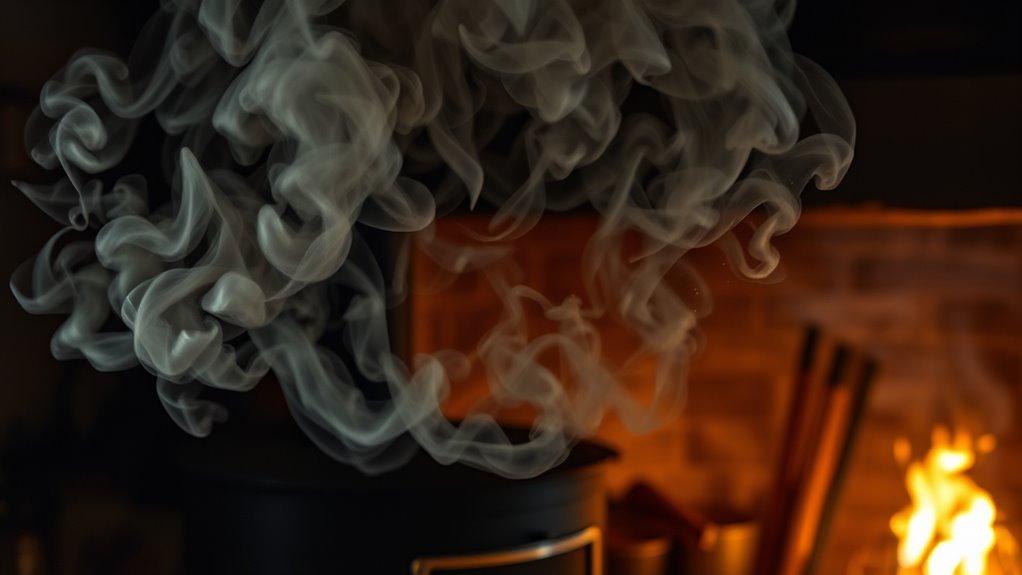
Wood smoke, a common source of indoor and outdoor air pollution, can substantially impact your health. When you burn wood for heating or cooking, tiny particles and chemicals are released into the air, affecting your indoor air quality. These pollutants can linger indoors, especially if ventilation is poor, leading to increased exposure. As you breathe in wood smoke, your lungs absorb these harmful particles, which can trigger a range of respiratory symptoms. You might notice coughing, wheezing, shortness of breath, or a sore throat become more frequent or severe. Vulnerable groups, like children, the elderly, or those with pre-existing respiratory conditions, are even more at risk of experiencing these symptoms.
Burning wood indoors can release harmful particles, worsening respiratory symptoms and affecting vulnerable populations.
The particles in wood smoke, particularly fine particulate matter (PM2.5), are small enough to penetrate deep into your respiratory system. Once inside, they can cause inflammation and irritation of your airways. This leads to not only immediate symptoms but also potential long-term health issues. Continuous exposure to wood smoke can contribute to the development or worsening of chronic respiratory diseases such as asthma, bronchitis, or chronic obstructive pulmonary disease (COPD). If you already have asthma, you might find your symptoms intensify, with increased episodes of wheezing or difficulty breathing. For children, who have developing lungs, exposure can hinder lung growth and make them more prone to infections.
Indoor air quality plays a vital role in how wood smoke affects you. When you burn wood indoors without proper ventilation, pollutants build up quickly. Using an unvented stove or fireplace worsens this problem. To protect your health, it’s essential to guarantee good ventilation when burning wood. This includes opening windows or installing exhaust fans to help remove smoke and pollutants from your living space. Regular maintenance of your stove or fireplace, such as cleaning chimneys and using dry, seasoned wood, also reduces smoke emissions. Avoiding indoor burning altogether can markedly improve indoor air quality, particularly if you or someone in your household has respiratory vulnerabilities. Additionally, understanding the health impacts of fine particulate matter (PM2.5) from wood smoke emphasizes the importance of minimizing exposure for overall well-being.
Understanding the link between wood smoke and respiratory symptoms encourages you to take proactive steps. Improving ventilation, choosing cleaner-burning appliances, and reducing indoor wood burning can make a meaningful difference. Protecting your indoor air quality not only helps prevent immediate respiratory discomfort but also reduces your risk of developing long-term health problems related to air pollution. Recognizing the impact of wood smoke on your lungs underscores the importance of managing how and when you burn wood, ensuring that your home remains a safe and healthy environment.
air purifier for wood smoke removal
As an affiliate, we earn on qualifying purchases.
As an affiliate, we earn on qualifying purchases.
Frequently Asked Questions
Can Wood Smoke Affect Indoor Air Quality More Than Outdoor?
Yes, wood smoke can affect indoor air quality more than outdoor air, especially if proper ventilation strategies aren’t in place. Indoor pollution from wood smoke accumulates quickly in poorly ventilated spaces, leading to higher exposure. To reduce risks, guarantee good airflow, use exhaust fans, and avoid burning wood indoors when possible. These steps help minimize indoor pollution and protect your health from harmful smoke particles.
Are Children More Vulnerable to Health Effects From Wood Smoke?
Yes, children are more vulnerable to health effects from wood smoke. Their smaller lungs and developing immune systems make them more susceptible to pollutants, increasing the risk of childhood respiratory issues. You should be especially cautious if your child spends time near indoor or outdoor wood-burning sources, as their increased child vulnerability can lead to more severe health impacts. Reducing exposure helps protect their long-term respiratory health.
How Long Do Health Effects From Wood Smoke Exposure Last?
Wondering how long health effects from wood smoke last? The duration effects vary based on exposure level and individual health, but typically, symptoms like coughing or throat irritation can improve within days with proper care. However, some respiratory issues may take weeks to recover, especially if exposure was prolonged or intense. Your recovery timeline depends on your overall health and how quickly you reduce exposure and seek treatment.
Can Using Air Purifiers Reduce Health Risks From Wood Smoke?
Using an air purifier can help diminish health risks from wood smoke by improving indoor air filtering. While air purifier effectiveness varies based on the device and filter quality, many models with HEPA filters effectively capture fine particles from wood smoke. Keep windows closed during smoky conditions, run the purifier regularly, and ensure proper maintenance to maximize indoor air quality and protect your health from harmful smoke exposure.
What Are the Long-Term Health Risks of Chronic Wood Smoke Exposure?
Chronic wood smoke exposure can increase your risk of developing lung disease and negatively impact your cardiovascular health. Over time, inhaling wood smoke particles causes inflammation and damages your lungs, leading to persistent respiratory issues. It also strains your heart and blood vessels, raising your chances of cardiovascular problems like hypertension and heart attacks. To protect your health, limit exposure and consider measures like improved ventilation or using cleaner heating options.
Conclusion
Now that you know the health risks of wood smoke, it’s clear you shouldn’t take it lightly. Protect your lungs by ensuring proper ventilation and considering cleaner alternatives. Remember, prevention is better than cure, so act now to reduce exposure. Don’t wait until it’s too late—taking small steps today can help you breathe easier tomorrow. Stay informed, stay safe, and keep your health front and center.
Halloween Picks
halloween
As an affiliate, we earn on qualifying purchases.