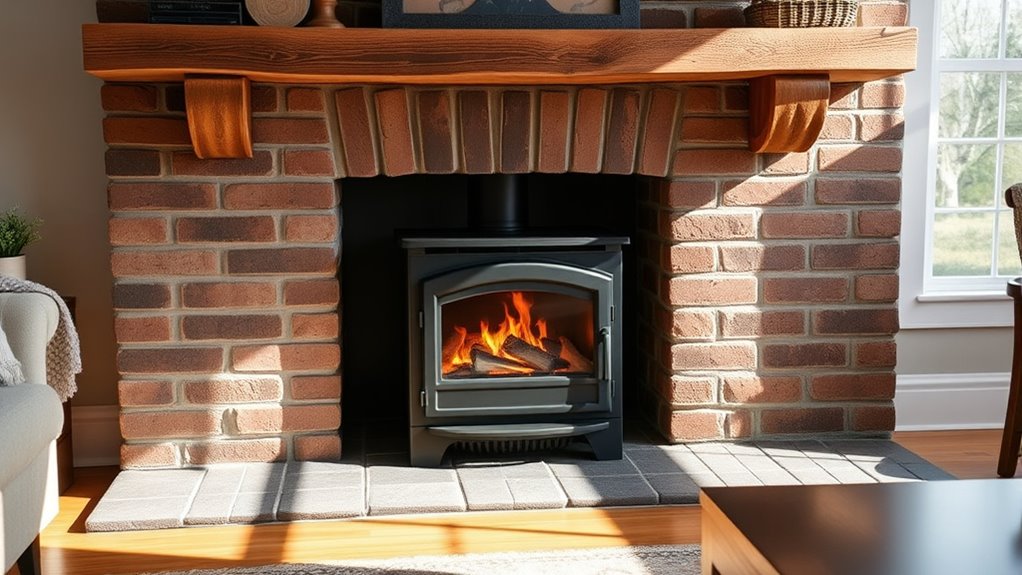
Upgrading your fireplace with a wood stove insert boosts heating efficiency, making your home warmer and reducing energy costs. You’ll transform an outdated or inefficient fireplace into a stylish, powerful heat source that improves safety and overall comfort. Proper installation is key—ensuring a tight fit, safe venting, and compliance with safety codes. Regular maintenance keeps your insert operating safely and efficiently. Continue exploring to discover how to choose, install, and care for your new wood stove insert.
Key Takeaways
- Choose a properly sized insert that fits your existing fireplace opening for optimal efficiency.
- Ensure chimney and flue are inspected, clean, and free of obstructions before installation.
- Have a professional install the insert, maintaining proper clearances and venting for safety.
- Regularly perform maintenance like ash removal and gasket checks to ensure safe, efficient operation.
- Comply with local building codes and manufacturer guidelines throughout the upgrade process.
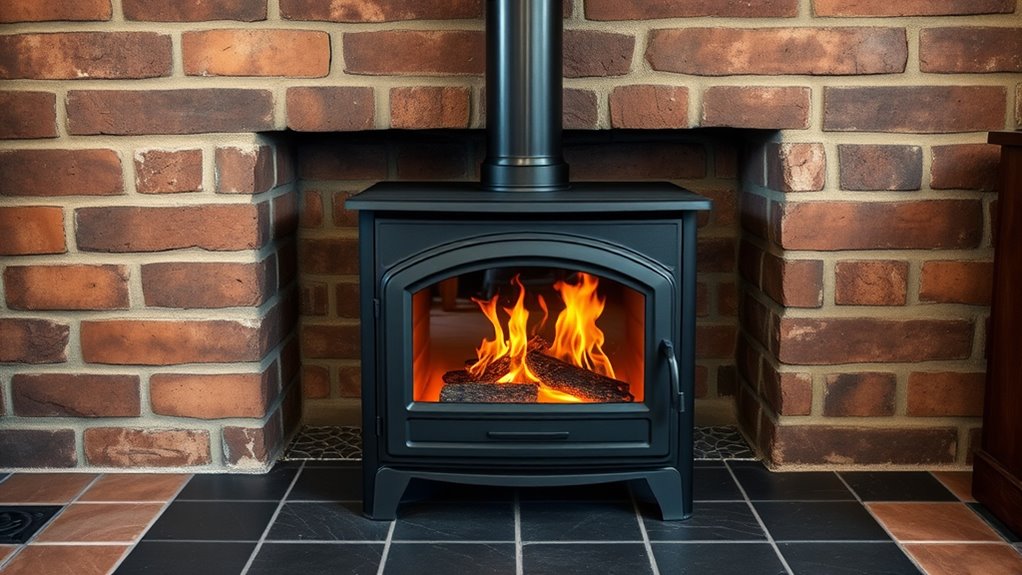
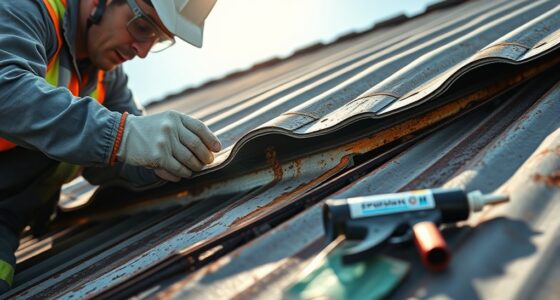
If you’re looking to improve your home’s heating efficiency and add a cozy focal point, upgrading your fireplace with a wood stove insert is a smart choice. A wood stove insert can transform an outdated or inefficient fireplace into a powerful heat source, saving you money and increasing comfort. However, before installation, you should prioritize fireplace safety to prevent fire hazards and ensure your home remains secure. Properly inspecting the existing chimney and flue is essential to confirm they’re in good condition and clear of obstructions. Once the insert is in place, regular wood stove maintenance becomes crucial for safe operation and maximum performance. This maintenance includes cleaning out ash, inspecting gaskets, and ensuring the chimney is free of creosote buildup, which can cause dangerous chimney fires if neglected. Understanding the importance of chimney inspection can help prevent future hazards and ensure efficient operation.
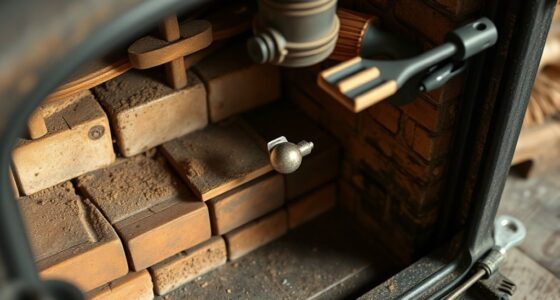
When considering a wood stove insert, you’ll want to choose one that fits your existing fireplace opening properly. A tight fit improves safety by minimizing drafts and heat loss, and it helps prevent sparks or embers from escaping into your home. Ensure the installation adheres to local building codes and manufacturer instructions for maximum safety. Installing a wood stove insert isn’t just about aesthetics; it’s about creating a safer, more efficient heating system. You’ll want to have the unit professionally installed to guarantee that all safety measures are met, including appropriate clearance from combustible materials and proper venting.
Once installed, maintaining the wood stove is straightforward but essential. Regularly remove ash buildup, which can impede airflow and reduce heating efficiency. Check the door seals and gaskets periodically; replacing worn gaskets helps maintain a good seal, ensuring heat stays inside and preventing smoke leaks. Additionally, schedule annual chimney inspections and cleanings to eliminate creosote deposits that could ignite. This routine wood stove maintenance not only prolongs the life of your insert but also enhances safety by reducing fire risk.

Buck Stove Fireplace Insert Model 21 | Non-Catalytic, 28,901 BTUs (Covers 1,800 Square Feet) | Wood Burning with Heat Activated Blower | Black Door with 12" Faceplate Trim Kit
Powerful Heating: Efficiently heats small to medium-sized spaces with up to 28,901 BTUs, ensuring warmth even in every…
As an affiliate, we earn on qualifying purchases.
As an affiliate, we earn on qualifying purchases.
Frequently Asked Questions
What Is the Average Cost of Installing a Wood Stove Insert?
You’ll typically spend between $1,500 and $3,500 to install a wood stove insert. This cost includes the unit itself, installation, and necessary chimney modifications. With a new insert, you’ll boost your fireplace aesthetics and improve energy efficiency, making your home warmer and more cost-effective. Keep in mind, prices vary based on the size of the insert, your home’s setup, and local labor rates.
How Long Does It Take to Install a Wood Stove Insert?
Installing a wood stove insert takes about one to three days, depending on your home’s setup. You’ll start with preparation steps like measuring, clearing the area, and ensuring proper venting. The installation timeline can feel like a whirlwind of activity, but with experienced professionals, it’s quick and efficient. Expect to see your cozy new setup ready to heat your space in just a day or two!
Are There Specific Permits Required for Installation?
Yes, you need to check local building codes and obtain a permit application before installing a wood stove insert. Regulations vary by location, so you should contact your local building department to find out specific requirements. Securing the proper permits guarantees your installation is safe, legal, and compliant with local standards. Failing to do so could lead to fines or problems when selling your home later.
Can I Use My Existing Chimney for the Insert?
Coincidences often remind us that some things are meant to be. You can usually use your existing chimney if it’s compatible with your insert sizing and meets safety standards. Check chimney compatibility by inspecting its size, shape, and condition. Confirm it’s properly vented and clean. If your chimney’s dimensions match the insert’s requirements, you’re likely good to go without needing a new chimney. Just verify local codes and consider professional advice for safety.
What Maintenance Is Needed After Installation?
After installing your wood stove insert, you need to schedule a chimney inspection to guarantee safety and proper function. Regular vent cleaning is essential to prevent creosote buildup, which can cause chimney fires. Check for any soot or blockages, and clean the vent regularly, especially after heavy use during cold months. Proper maintenance keeps your fireplace operating efficiently and safely, giving you peace of mind during cozy winter nights.

Rutland Products 1111 Fireplace Insert Insulation Fiberglass, 1-1/2-Inch by 10-Feet, 1-1/2" x 10', Yellow, Model:105
10'x1 ½" insulation strip with an adhesive backing
As an affiliate, we earn on qualifying purchases.
As an affiliate, we earn on qualifying purchases.
Conclusion
Upgrading your fireplace with a wood stove insert enhances warmth, boosts efficiency, and updates your space. It transforms your living area into a cozy haven, saves you money, and reduces your environmental impact. By choosing the right insert, installing it properly, and maintaining it regularly, you create a space that’s inviting, functional, and sustainable. Embrace the change, enjoy the comfort, and reap the benefits of a beautifully upgraded fireplace that works for you now and for years to come.
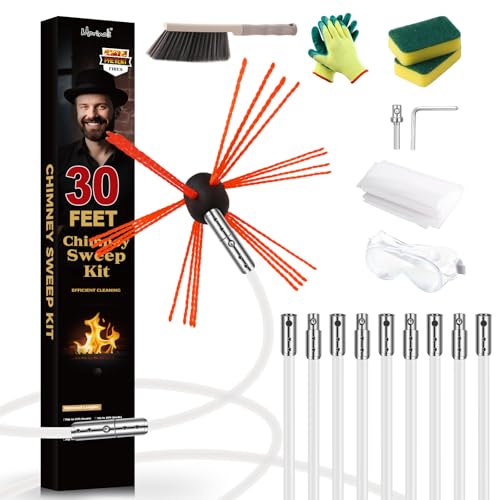
Morinoli 30 Feet Chimney Sweep Kit, Chrome Button Locking System, Chimney Cleaning Kit, Chimney Brush, Chimney Cleaning Tool, Chimney Cleaning System with 9 Flexible Chimney Rods
✔️【MOST VALUABLE DESIGN】No stuck,no loose design! Compared with ordinary kits, our chimney sweep kit has a sturdy, nice…
As an affiliate, we earn on qualifying purchases.
As an affiliate, we earn on qualifying purchases.

Protalwell Wood Stove Gasket, 1/2" Wood Stove Door Gasket Kit, High Temperture Resistant Gasket Rope Replacement for Stove or Fireplace Doors, Grey Color Fiberglass Gasket
High Temperature Resistance Gasket Rope – Made by Graphite Impregnated Fiberglass, will not burn and withstand to temperatures…
As an affiliate, we earn on qualifying purchases.
As an affiliate, we earn on qualifying purchases.