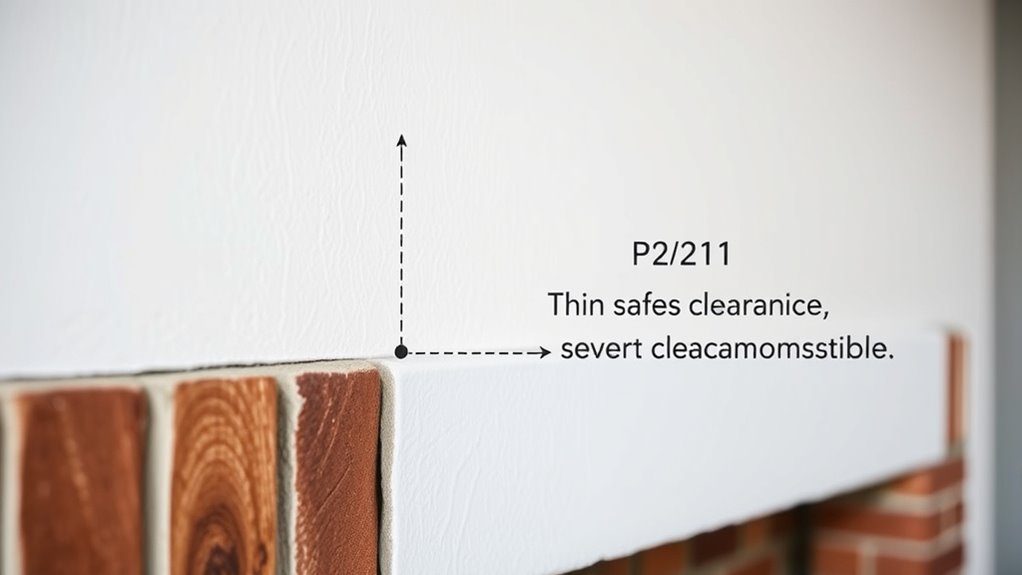

Understanding NFPA 211 clearances is vital for keeping your fireplace or stove safe. These standards list the minimum distances you must maintain between your chimney or vent pipes and combustible materials like walls, ceilings, and floors. Proper clearances prevent heat buildup, reduce fire risks, and ensure your system operates efficiently. Following these guidelines carefully protects your home and loved ones. Keep exploring to learn more about how to implement these safety measures correctly.
Key Takeaways
- NFPA 211 specifies minimum clearance distances between chimneys, vents, and combustible materials to prevent fire hazards.
- Proper installation materials, such as non-combustible insulations, are essential to maintain safe clearances.
- Clearances vary based on chimney type, construction, and materials used, requiring adherence to manufacturer and code guidelines.
- Regular inspections and maintenance ensure clearances remain effective and identify potential heat damage or buildup.
- Following NFPA 211 standards enhances safety, reduces fire risk, and ensures efficient fireplace and chimney operation.
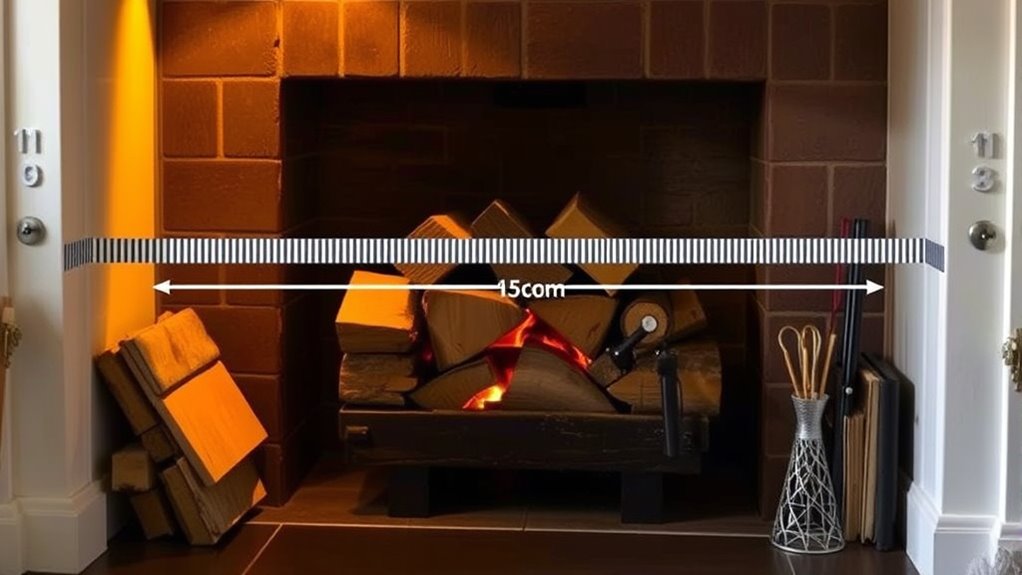
Understanding NFPA 211 clearances is essential for ensuring the safe and efficient operation of your fireplace or stove. These clearances are critical because they directly impact chimney safety and help prevent fires caused by heat transfer to combustible materials. When installing or maintaining your system, knowing the specific clearance requirements outlined in NFPA 211 guides you in creating a safe environment, reducing risk, and ensuring your equipment functions properly over time.
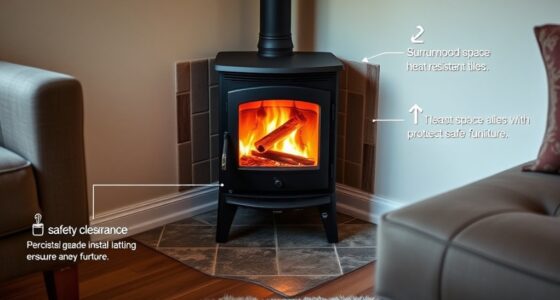
Chimney safety begins with proper clearance distances between your chimney or vent pipe and nearby combustibles. NFPA 211 specifies minimum clearance requirements that must be followed to prevent heat buildup, which could ignite surrounding materials. These requirements vary depending on the type of chimney and the materials used but generally emphasize maintaining a safe distance from walls, ceilings, floors, and other combustible surfaces. Ignoring these clearances can lead to dangerous heat exposure, increasing the likelihood of fires or structural damage. Proper measuring and adherence to these standards are crucial, especially considering that even small deviations can compromise safety.
Proper NFPA 211 clearances prevent heat buildup and reduce fire risk around chimneys and combustibles.
The clearance requirements are designed to account for the heat generated by your fireplace or stove during operation. For instance, metal chimneys often require a certain distance from wood framing or drywall, which prevents heat from accumulating dangerously close to combustible materials. When installing your chimney, you should measure carefully and adhere strictly to the specifications, as even small deviations can compromise safety. Using non-combustible materials like fire-resistant boards or insulation can help bridge small gaps, but they cannot substitute the need for proper clearances. Additionally, understanding the fire-resistant properties of materials used around chimneys can further enhance safety and compliance. Moreover, consulting the manufacturer’s guidelines ensures that all specific requirements are met for your particular chimney model.
It’s also important to understand that these clearance requirements are not arbitrary; they are based on extensive safety research and are intended to give you a clear guideline for safe installation practices. If you’re working with a professional installer, confirm that they are familiar with NFPA 211 standards and that they prioritize these clearances during installation. If you’re doing a DIY project, take the time to review the code and double-check measurements before proceeding. Remember, proper clearance isn’t just about meeting code—it’s about protecting your home and loved ones from potential fire hazards.
Maintaining safe chimney clearances isn’t a one-time task. Over time, settling, shifting, or wear can alter clearances, so regular inspections are necessary. Look for signs of heat damage, warping, or soot buildup near clearances, and address issues promptly. Additionally, proper insulation can help maintain safe clearances even in challenging spaces. By understanding and implementing the right clearance requirements, you actively enhance your chimney safety, prevent dangerous situations, and ensure your fireplace or stove operates efficiently for years to come. Following NFPA 211 guidelines isn’t just about compliance; it’s about creating a safe, warm space where you can enjoy your fire without worry.
Top picks for "understand nfpa clearanc"
Open Amazon search results for this keyword.
As an affiliate, we earn on qualifying purchases.
Frequently Asked Questions
How Often Should NFPA 211 Clearance Inspections Be Performed?
You should perform NFPA 211 clearance inspections annually as part of your maintenance schedule. Regular inspections ensure your chimney and venting systems stay safe and compliant with fire codes. Keep an eye on potential obstructions, creosote buildup, or damage that could compromise safety. Consistent inspection frequency helps prevent hazards, reduces fire risk, and ensures your system operates efficiently. Make these inspections a routine part of your maintenance to stay protected.
Are There Regional Variations in NFPA 211 Clearance Requirements?
Regional codes and regional differences do influence NFPA 211 clearance requirements. You’ll find variations depending on where you are, as local authorities tailor standards to regional climate, building practices, and fire risks. You need to stay informed about your area’s specific regulations, ensuring your clearances meet local codes. By doing so, you safeguard your property, comply with legal standards, and prevent potential fire hazards from regional differences in clearance requirements.
What Are the Consequences of Non-Compliance With NFPA 211 Clearances?
If you ignore NFPA 211 clearance requirements, you risk creating a fire hazard that could lead to property damage or injury. Non-compliance often results in code violations, which may cause fines, inspections, or even the shutdown of your facility. Staying within the recommended clearances helps prevent dangerous fire risks, ensuring safety and avoiding legal issues. Always follow NFPA 211 guidelines to protect your property and lives.
Can Clearances Be Adjusted for Different Types of Fireplaces or Chimneys?
Yes, you can modify clearances based on fireplace types and chimney materials. Different fireplace types, like inserts or traditional fireplaces, may require specific clearance distances. Chimney materials, such as metal or masonry, also influence clearance needs—metal chimneys often allow closer clearances, while masonry may require more space. Always consult NFPA 211 guidelines and local codes to ensure safe, compliant clearances tailored to your fireplace and chimney materials.
How Do NFPA 211 Clearances Interact With Local Building Codes?
NFPA 211 clearances must align with local building codes to guarantee fire safety and code compliance. You should check with your local authorities because they might have specific requirements that supplement or override NFPA standards. By adhering to both, you reduce fire risks and stay legally compliant. Always verify local regulations before installing or modifying fireplaces and chimneys, and follow NFPA 211 guidelines for proper clearance distances to protect your home.
Conclusion
By maintaining proper NFPA 211 clearances, you create a safe haven around your chimney, like a protective shield guarding a flickering flame. Imagine a space free of clutter and combustibles, where the warmth from your hearth burns brightly without worry. These clearances are your safeguard, ensuring that your home remains cozy and secure. Keep the right distances, and you’ll enjoy peace of mind, knowing your fireplace is a glowing source of comfort, not danger.