
TL;DR

Get backup power and energy gear delivered free with Prime
- Fast, free delivery on millions of items
- Prime Video, Amazon Music and more included
- Member-only deals all year
Solar backup power systems pair solar panels, a battery, and an inverter so your home can use stored or freshly generated electricity during outages or when the grid is unavailable. A typical residential setup may cost $10,000–$30,000, but runtime depends on battery capacity, sunlight, and which appliances you run. Size the system around essential loads, compare grid-connected backup with off-grid designs, and have a licensed professional handle electrical work and permits.
A sunny roof does not automatically keep your refrigerator humming when the neighborhood goes dark. Solar backup power systems need a way to disconnect safely from the grid and store or manage electricity, or your panels may shut down during an outage even at noon.
This guide explains the parts that make backup work, the difference between battery-backed grid systems and off-grid setups, and how to estimate the runtime you actually need. You’ll also get realistic cost and lifespan ranges, plus practical questions to ask an installer before signing a quote.
The best design is rarely the one that promises to power everything. It’s the one that keeps your chosen essentials running, fits your home and budget, and meets electrical and local permitting rules.
Panels alone usually do not provide outage power; confirm the system has compatible backup and safe grid-isolation equipment.
Size storage from essential appliance use, outage duration, and motor-starting surges—not from a whole-home label alone.
Plan around a broad residential cost range of $10,000–$30,000, then compare quotes for the same capacity, circuits, permits, and installation work.
Expect panels to last roughly 25–30 years and batteries around 10–15 years, subject to product terms, operating conditions, and use.
Have a licensed professional handle electrical installation, permits, and utility coordination, and learn the system’s shutdown procedure.
What makes solar panels useful during a blackout?
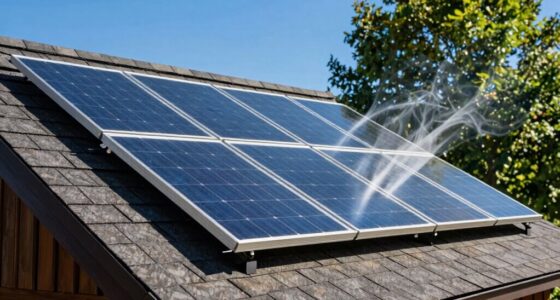
Solar backup power systems combine panels, battery storage, an inverter, and equipment that can safely separate your home from the utility grid. That combination lets you use stored energy or, when conditions allow, electricity generated by the sun during outages. Without the right backup equipment, a standard grid-tied solar array usually shuts off when the grid fails.
Think of the system as a small water network: panels fill the tank, the battery stores what you don’t use, and the inverter converts electricity into the form household appliances need. A charge controller manages battery charging in systems that use one. In many modern packages, control functions sit within integrated equipment, so ask your installer which components are included rather than assuming every system has a separate controller.
For example, if a summer storm knocks out power at 2 p.m., panels may still produce electricity, but a compatible inverter and transfer equipment must isolate your home from the utility lines. That separation protects utility workers and allows your backup system to operate safely. Battery storage then carries the refrigerator after sunset, when your panels stop producing.
Key point: Panels alone are not backup power. Ask specifically whether the proposed system can supply your home during an outage, and which circuits it can support.
Solar backup can also reduce reliance on fossil-fuel generators, though the environmental benefit and bill savings depend on how you charge and use the system. Your result changes with local electricity rates, weather, roof conditions, battery settings, and the rules attached to your utility connection.
As an affiliate, we earn on qualifying purchases.
Choose the setup that matches your home and outage risk
Grid-connected backup suits many homeowners who want ordinary utility service most days and battery power during outages. Off-grid systems suit properties without dependable utility service. The right choice depends on where you live, how often outages happen, and whether you need backup for a few circuits or a whole property. This choice also affects what you are paying for: a grid-connected battery is primarily an outage resource, while an off-grid system must reliably serve everyday needs through changing weather.
| System type | How it works | Good fit | Main tradeoff |
|---|---|---|---|
| Grid-tied solar without a battery | Panels serve the home while the grid is available; many systems shut down in a blackout. | Reducing grid electricity use where outages are rare. | Usually does not provide outage power by itself. |
| Grid-connected with battery backup | Panels, battery, and backup controls work with the grid and can isolate selected loads during an outage. | Homes seeking backup plus continued utility access. | Battery and compatible equipment add cost. |
| Off-grid | Panels and batteries supply power without relying on a utility connection. | Remote cabins or properties with no practical grid service. | Needs careful sizing, storage, and often another backup plan for long cloudy periods. |
A family in a suburban home that loses power for six hours a few times each winter may prefer a grid-connected battery that backs up the refrigerator, lights, internet router, and heating controls. Limiting backup to selected circuits can make a system more affordable and extend runtime, but it means choosing in advance what matters most. A remote cabin with no utility connection has a different challenge: it must cover everyday use, not just emergencies, and it may need a generator or extra storage for several cloudy days. That added capacity is a resilience tradeoff: it improves coverage during poor weather but raises upfront costs and may sit underused in sunnier periods.
Labels can be confusing: “hybrid” often describes equipment that can work with both solar and batteries while remaining grid-connected, but product terms vary. Ask for a one-line diagram or plain-language description of how the system behaves when the grid goes down. Check whether the system can recharge its battery from panels during an outage, not only from the grid. If it cannot recharge from solar while islanded, a long outage becomes a countdown from the battery’s starting charge rather than a cycle of daytime generation and nighttime use.
Some equipment can support an entire home, but that does not mean every appliance can run at once. A central air conditioner, electric range, and well pump can create large power demands. Have the installer identify any limits, including starting surges and circuits excluded from backup. The distinction between energy capacity and power output matters here: a battery may hold enough energy for many hours but still be unable to start a large motor or operate several high-demand appliances simultaneously.
Size the battery around the hours you need most
Battery runtime depends on how much usable energy you store, how much power your appliances draw, and whether panels can recharge the battery during the outage. Start by choosing the jobs your system must do, then estimate their energy use. A large battery can still empty quickly if you run high-demand appliances without a plan. Sizing is a balance: adding capacity can extend coverage, but it increases cost, and it may not solve a separate limit on the inverter’s ability to supply power at one time.
Use this simple sequence before comparing quotes:
- List essential loads. Write down items such as a refrigerator, a few lights, phone charging, internet equipment, medical devices, or a sump pump.
- Estimate daily use. Check appliance labels or manuals for watts and expected hours. A 100-watt device running for five hours uses about 500 watt-hours.
- Separate steady use from surges. Motors in pumps and compressors may need extra power briefly when they start, even if their running draw looks modest.
- Choose a backup window. Decide whether you need several evening hours, overnight coverage, or more than a day without sun.
- Ask for usable capacity and limits. The usable battery energy, inverter output, reserve setting, and recharge rate all affect real performance.
For a simple illustration, a 10 kWh battery divided by a steady 500-watt load suggests about 20 hours of energy on paper. Real runtime will be lower after conversion losses, battery reserve settings, and changing appliance use. That calculation is a starting point, not a promise. It also assumes the load stays at 500 watts continuously; a refrigerator cycles on and off, while cooking or pumping may create short periods of much higher demand.
Consider a household that needs a refrigerator, several LED lights, and a router overnight. It may use far less energy than a household trying to run electric cooking, laundry, and central cooling. Ask an installer to model your actual loads and show what happens after a cloudy day; “whole-home backup” is not a useful specification unless the power limits are clear. Ask to see both the expected runtime and the appliances the system can start together, since an attractive capacity figure alone does not tell you whether the system will meet your priorities.
What a solar backup system costs—and what that quote should include
A residential solar backup system commonly costs $10,000–$30,000 according to the supplied industry figures, with final price shaped by battery capacity, inverter equipment, electrical upgrades, labor, and installation conditions. Treat that range as a broad planning figure rather than a current quote for your address. Local labor rates, incentives, taxes, and product availability can shift the total. The range is wide because “backup system” can mean a battery serving a few priority circuits or a more extensive installation with greater capacity and electrical work; comparing prices without comparing scope can therefore be misleading.
Compare proposals by checking what each price covers. One quote may include a battery, backup circuits, permits, and service-panel work; another may list a lower price but leave those items out. Ask for the battery’s usable capacity, continuous and surge output, warranty terms, installation scope, and any costs for electrical upgrades or utility approval. These details show whether a lower bid is genuinely better value or simply provides less outage coverage. Confirm that the capacity quoted is usable energy, not just the battery’s nominal rating, and ask which circuits are included so you can compare the practical service each system delivers.
Imagine two bids for the same home. Bid A is cheaper but backs up only a small subpanel and excludes permit fees. Bid B costs more but includes the refrigerator, lighting circuits, a sump pump, and inspection work. If basement flooding is your biggest outage concern, the second proposal may deliver more useful protection even with a higher upfront price. On the other hand, paying for circuits you do not need can consume budget that might be better spent on added storage or other priority work. Ask the installer to connect each line item to your outage plan.
Incentives may reduce out-of-pocket cost, but programs change by location and date. Confirm eligibility with the relevant government agency, utility, or tax professional before counting a rebate or credit in your budget. Ask whether the quoted system meets any local requirements tied to the incentive.
Look beyond the purchase price, too. Solar panels generally last 25–30 years, while batteries commonly have expected service lives or warranties in the 10–15-year range, depending on product and use. A battery may need replacement while the panels remain productive, so a realistic budget includes long-term equipment replacement rather than treating the whole system as one purchase. Warranty length is not a guarantee of identical performance for that entire period: check what capacity or performance the warranty covers and whether operating conditions affect eligibility.
Protect your investment with a safe, code-compliant installation
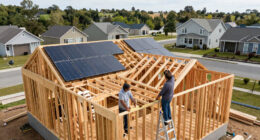
Use a licensed solar or electrical professional for system design and installation because backup equipment connects to household wiring and interacts with the utility grid. Required permits, inspections, and utility approvals vary by location, but they are part of a safe installation—not optional paperwork. A properly designed system also needs a clear plan for how it disconnects from the grid during an outage. That disconnection is essential: without it, the backup system could energize utility lines when crews expect them to be off, while a design that fails to isolate correctly may also be unable to power your home.
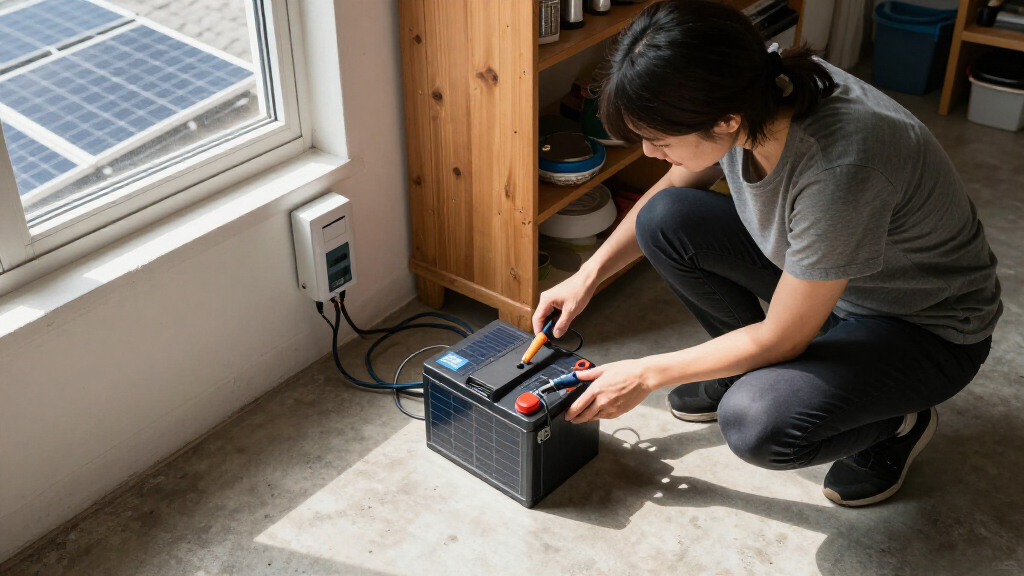
Do not open a service panel or work on energized wiring as a DIY shortcut. Electrical work can expose you to lethal voltage and fire risk. If you are checking an existing installation, keep covers in place, stay clear of damaged wires, and contact a qualified professional; switching off a breaker does not make every part of a panel safe.
Ask the installer to walk you through the equipment locations, shutdown procedure, labels, and backup circuits before the crew leaves. For example, if a storm damages a panel or battery enclosure, you should know how to keep clear, who to call, and what the manufacturer says about emergency shutdown. Keep the system manual and service contact details somewhere you can reach when the internet is down. A demonstration matters because backup systems can behave differently from ordinary grid power: knowing which circuits remain energized helps you avoid assuming that every outlet is safe or available.
Battery chemistry and enclosure ratings matter, but “weatherproof” does not mean every product can sit anywhere outdoors. Ask about the manufacturer’s temperature range, ventilation requirements, flood exposure, and mounting clearances. A battery placed in a hot garage or a flood-prone corner may face conditions that shorten its service life or violate installation instructions. Placement is a practical tradeoff between keeping equipment protected and accessible, meeting manufacturer requirements, and avoiding environmental conditions that can reduce performance or create a hazard.
Modern systems may offer smart monitoring, scheduled charging, and load controls that help manage energy use. Those features are useful when you can see battery state and prioritize circuits from an app, but they do not replace sound wiring, permits, or a tested backup plan. Ask the installer to demonstrate the system’s outage mode before you rely on it. The test can uncover mismatches between expected and actual performance, such as a pump that cannot start or a circuit that was not included, while there is still time to correct them.
Make your backup plan work on a cloudy, busy day
A dependable outage plan pairs the right system with a few simple habits. During a blackout, you may have less sunlight than expected, and ordinary routines can drain a battery faster than the estimate on a sales sheet. Decide in advance which loads matter most and how you will respond if the outage lasts overnight. A plan is especially useful when storage is limited: turning off optional loads can stretch power for the things that protect health, food, communications, or the home itself.
Try these practical habits once the system is installed:
- Set priorities. Keep refrigeration, essential medical equipment, communications, and safety lighting ahead of optional loads.
- Use energy in short bursts. Run a high-draw appliance only when needed instead of leaving several large loads on together.
- Watch the battery reserve. Learn how your system signals low storage and what reserve remains for unexpected needs.
- Check recharge assumptions. Ask how much useful solar production the design expects in winter or during overcast weather.
- Review the plan seasonally. A summer cooling load and a winter heating load may need different backup priorities.
For instance, a household with a well pump may need water more than a powered entertainment setup. The pump can draw a strong burst when it starts, so the battery inverter must support that surge. A quick test with the installer can reveal whether the pump starts reliably in backup mode before a real storm puts the setup to work. If the pump does not start, the answer may be a different inverter or a change in which loads operate together—not simply a larger battery, since battery energy capacity and inverter power are different constraints.
Research data provided for this article describes advances in lithium-ion batteries, integrated smart inverters, and longer product warranties, often around 10–15 years for batteries. Solid-state batteries are emerging, but promises about future technology do not tell you whether a product is available or suitable today. Compare equipment you can buy now by published specifications and warranty terms. For a homeowner choosing backup, established specifications and a supportable warranty are more actionable than projected improvements that may not be commercially available for the needed installation.
Finally, solar charging during an outage depends on system design, sunlight, panel condition, and household demand. A battery that starts full can still run down across several cloudy days. If your area sees long outages, ask whether more storage, load reduction, or another backup source makes sense for your situation. More storage can cover longer gaps but costs more; reducing demand may be cheaper but requires accepting limits on what you use. A generator or other backup source may add resilience, but it brings its own fuel, maintenance, and operating considerations.
Frequently Asked Questions
Can solar panels power my house during a blackout?
Not usually on their own. Many standard grid-tied systems shut down when utility power fails, even if the sun is shining. You need compatible backup equipment that safely isolates the home from the grid, and a battery is typically needed to supply power when solar production drops or stops.
How much does a residential solar backup system cost?
The broad estimate supplied for residential systems is $10,000–$30,000, depending on battery size, equipment, installation, and electrical work. Get itemized quotes that identify usable battery capacity, backed-up circuits, permits, service-panel upgrades, and warranty coverage.
How long can a battery keep my home running?
Runtime depends on battery energy, inverter limits, appliance demand, and whether the panels can recharge the battery. As a rough illustration, 10 kWh divided by a constant 500-watt load is 20 hours before losses and reserve settings; real use usually changes over time, so treat that as a simple estimate rather than a guarantee.
Can I install a solar battery system myself?
Some small portable power products are designed for consumer setup, but a home battery connected to household wiring should be designed and installed by a licensed professional. Electrical code, permits, inspections, and utility approval may apply. Do not open or work inside an energized service panel.
How long do solar panels and backup batteries last?
Solar panels commonly last about 25–30 years, while residential batteries often have a lifespan or warranty period around 10–15 years. Actual service life depends on product specifications, operating conditions, and use, so check the warranty and plan for a possible battery replacement before the panels reach the end of their service life.
Conclusion
Start with the outage you want to handle: a few hours without the refrigerator, an overnight interruption, or a longer stretch without dependable grid service. Then size the battery and backup circuits around that real need, and compare complete, code-compliant proposals rather than headline prices.
A good solar backup system is less like a magic switch and more like a well-packed emergency kit: every part has a job, and the plan works best when you know what to use first.
Halloween Picks
halloween
As an affiliate, we earn on qualifying purchases.