
As a small cabin owner, you understand that controlling thermal loss is essential for comfort, energy savings, and cost efficiency. Proper insulation keeps warmth in during winter and blocks heat during summer, reducing your heating and cooling bills. Sealing gaps around windows, doors, and vents prevents tiny heat leaks that can undermine efforts. If you want to protect your space and save money throughout the year, understanding how to manage thermal transfer is key—there’s more to discover that can make a big difference.
Key Takeaways
- Proper thermal management enhances comfort by maintaining stable indoor temperatures throughout the year.
- Reducing heat loss lowers energy costs, making cabin living more affordable and sustainable.
- Effective insulation and weatherproofing prevent damage from weather elements, extending the cabin’s lifespan.
- Addressing thermal gaps improves energy efficiency and reduces strain on heating and cooling systems.
- Small cabins benefit from minimized thermal loss, ensuring reliable use regardless of outdoor weather conditions.
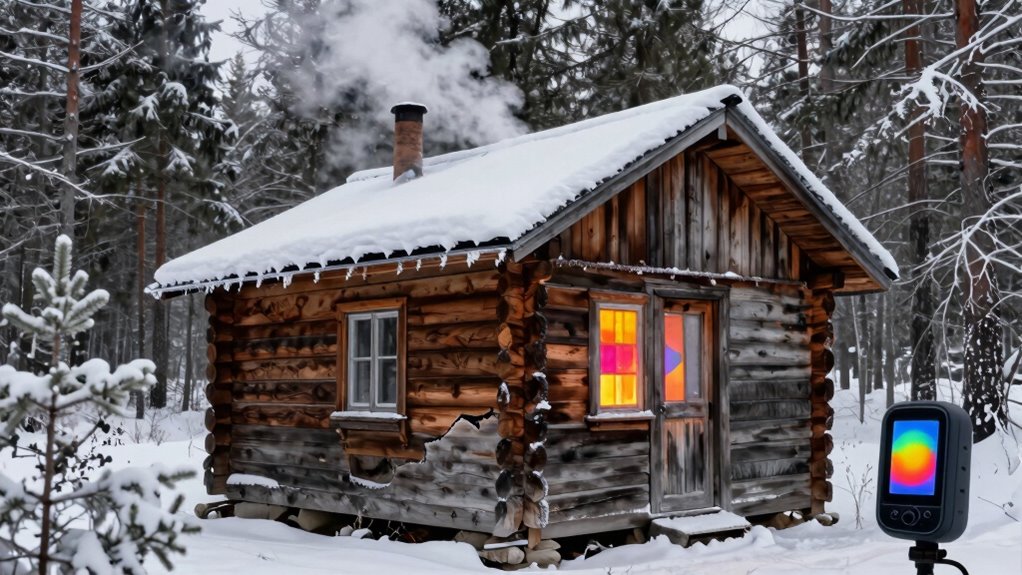
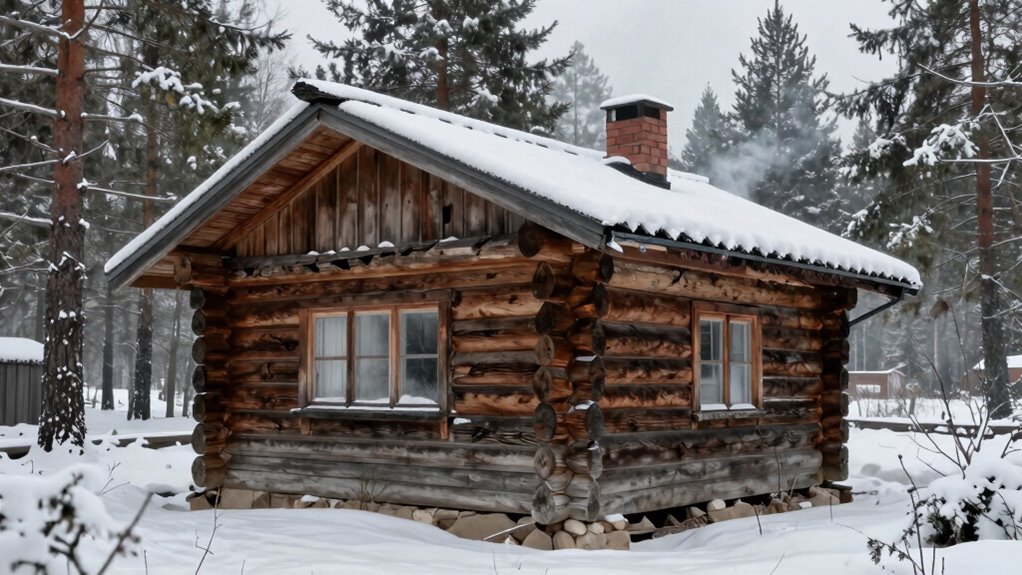
Owning a small cabin often means managing limited space and resources, but one essential aspect that can considerably impact your comfort and costs is thermal loss. When the cold weather hits or the heat of summer arrives, you want to make sure that your cabin stays cozy and energy-efficient. That’s why many small cabin owners obsess over thermal loss—it’s about keeping warmth in when you need it and blocking the cold out when you don’t. Proper insulation techniques become necessary in this effort. You’ll want to focus on insulating walls, floors, and ceilings effectively. Foam board, spray foam, and fiberglass batts are popular options, each with their advantages. For instance, spray foam creates a seamless barrier that reduces air leaks, while fiberglass is more affordable and easier to install. Whichever you choose, it’s essential to make certain there are no gaps or weak spots that allow heat to escape.
Alongside insulation, weatherproofing methods play a key role in minimizing thermal loss. You should check your windows and doors for drafts and seal any gaps with weatherstripping or caulking. Installing storm windows or using heavy curtains can further insulate your cabin and prevent heat from escaping through glass. The roof is another important area—adding reflective roof coatings or insulating attic spaces helps maintain a stable indoor temperature. Properly sealing vents, chimneys, and other openings is equally important. Every tiny crack or hole can become a significant source of heat loss, so you need to be diligent about sealing and maintaining your cabin’s exterior. Additionally, understanding thermal transfer can help you identify the most effective ways to improve your cabin’s insulation. Being aware of thermal bridges can help prevent heat from bypassing insulation layers and causing energy loss. In colder climates, considering the use of thermal barriers can further enhance energy efficiency. Incorporating insulation standards into your upgrades ensures that your cabin meets recommended energy-saving guidelines.
The combination of effective insulation techniques and weatherproofing methods makes a noticeable difference in your cabin’s energy efficiency. When you focus on these aspects, you’ll find that your heating and cooling costs decrease, and your comfort level improves dramatically. It’s a proactive approach—by investing time and effort into sealing leaks and insulating thoroughly, you’re protecting your cabin from the elements and reducing the strain on your heating system. This not only saves money but also extends the lifespan of your heating and cooling equipment. For small cabins, where every square foot counts and resources may be limited, paying attention to thermal loss is a smart, practical choice. It makes certain you enjoy your cabin year-round, no matter the weather outside.
Frequently Asked Questions
How Can I Measure Thermal Loss Accurately in My Cabin?
To measure thermal loss accurately in your cabin, start with thermal imaging to identify areas of heat escape. Use a high-quality infrared camera to scan walls, windows, and roof for insulation inefficiencies. Pay special attention to spots with drafts or poor seals. This method helps you pinpoint where thermal loss occurs most, allowing you to improve insulation efficiency effectively, save energy, and keep your cabin warmer and more comfortable.
What Are the Most Cost-Effective Ways to Reduce Thermal Loss?
To reduce thermal loss cost-effectively, focus on insulation upgrades and sealing windows. Add insulation to walls, floors, and ceilings to improve thermal retention without breaking the bank. Seal leaks around windows and doors with weatherstripping or caulk to prevent drafts. These simple, affordable upgrades make a significant difference in maintaining warmth, lowering energy bills, and increasing comfort in your small cabin.
How Does Thermal Loss Impact My Cabin’s Indoor Air Quality?
Thermal loss acts like a silent thief, quietly stealing your cabin’s warm, fresh air. Poor insulation and inadequate ventilation strategies can trap pollutants, lowering your indoor air quality. When air exchange slows, allergens and moisture build up, risking mold and discomfort. To keep your cabin healthy, prioritize proper ventilation and air exchange, ensuring fresh air circulates freely and thermal loss stays in check, so you breathe easy in your cozy retreat.
Can Thermal Loss Affect the Lifespan of My Cabin’s Structure?
Thermal loss can definitely affect your cabin’s structure lifespan. When insulation materials aren’t effective, heat escapes, causing your heating system to work harder and increasing moisture buildup, which can lead to wood rot or mold. Implementing proper insulation and ventilation strategies helps reduce thermal loss, safeguarding your cabin from damage over time. Regularly maintaining these systems ensures your cabin stays durable and energy-efficient, extending its overall lifespan.
What Seasonal Changes Influence Thermal Loss in Small Cabins?
Seasonal changes like winter cold and summer heat greatly influence thermal loss in your small cabin. During winter, poor insulation materials and inadequate ventilation strategies can cause heat to escape, making your cabin colder and less energy-efficient. Conversely, in summer, heat enters more easily through gaps and uninsulated walls. To combat this, guarantee your insulation is adequate and implement proper ventilation strategies to regulate temperature and reduce thermal loss year-round.
Conclusion
Understanding thermal loss is like keeping a fire alive in a tiny lantern—you need to guarantee the heat stays in, or it’ll quickly fade away. As a small cabin owner, your focus on preventing thermal loss isn’t just about comfort; it’s about efficiency and saving money. By sealing drafts and insulating well, you’re locking in warmth like a treasure, making sure your cozy retreat stays inviting all season long.