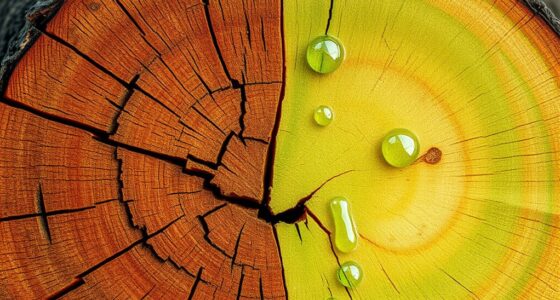
When choosing safe fire starters, natural options like pinecones, dryer lint, or waxed cardboard are eco-friendly, biodegradable, and pose less environmental risk. Commercial starters are convenient and easy to use but may contain chemicals or synthetic substances that could harm the environment. If you prioritize sustainability, natural choices are better, but for quick, hassle-free fires, commercial products help. Keep exploring to learn how to balance safety, convenience, and eco-consciousness in your fire-starting routine.
Key Takeaways
- Natural fire starters are biodegradable and eco-friendly, minimizing environmental impact compared to many chemical-laden commercial options.
- Commercial starters often offer quick ignition and convenience, but may contain synthetic or chemical additives that pose safety and environmental concerns.
- Both natural and commercial fire starters can be safe when used properly; natural options require careful arrangement for ignition.
- Eco-conscious consumers should check labels to choose biodegradable, chemical-free commercial starters or opt for natural materials.
- Proper safety and disposal practices are essential regardless of the fire starter type to ensure safe and environmentally responsible use.

Have you ever wondered which type of fire starter is better—natural options or commercial products? When it comes to lighting a fire, your choice can impact not only the environment but also how easily you can get that fire going. Natural fire starters, like pinecones, dryer lint, or waxed cardboard, are often touted as eco-friendly because they’re biodegradable and don’t involve chemical additives. Using natural materials generally reduces the environmental impact since they decompose quickly and don’t release harmful substances into the air or soil. Plus, many people appreciate that these options are readily available around the house or outdoors, making them a sustainable choice. However, while natural starters are environmentally friendly, their ease of use can vary. Some natural options may require more patience and preparation, especially if they’re not designed specifically for fire starting. For example, dry twigs or bark might need to be perfectly dry and arranged carefully to catch fire, which could be frustrating if you’re in a hurry or unfamiliar with the process.
Commercial fire starters, on the other hand, are designed with convenience in mind. They often come in compact, ready-to-use forms like wax cubes, gel blocks, or engineered pellets that ignite easily and burn steadily. These products are typically crafted to maximize ease of use, igniting quickly with minimal effort, making them ideal for beginners or anyone who wants a reliable, fuss-free method. While their convenience is a significant advantage, you should also consider their environmental impact. Many commercial starters contain chemical additives, paraffin wax, or other synthetic substances that don’t break down easily, potentially contributing to pollution if not disposed of properly. Some brands now offer eco-friendly options made from renewable or biodegradable ingredients, but you need to read labels carefully to ensure you’re making a responsible choice. Additionally, understanding juice extraction techniques can help you better appreciate natural options and their benefits.
Ultimately, your decision depends on what matters most to you—whether it’s minimizing environmental impact or prioritizing ease of use. Natural fire starters might take a bit more time and effort but align better with eco-conscious values. Commercial options deliver quick results and simplicity, especially useful when time is limited. Both have their merits, but being mindful of their environmental footprint and how easily they fit into your fire-starting routine helps you make a more informed choice. Whichever route you pick, ensuring safety and proper disposal afterward remains essential.

HGD Fire Starter, Mini Natural Fire Starters for Campfires, BBQ Grill, Charcoal Chimney, Outdoor Pit, Indoor Fireplace, Wood Stove – Water Resistant Firestarter Sticks – Camping Accessories Essentials
BUILT ON HGD'S LEGACY: Just like our highly-rated 16", 20", and 28" smokeless firepits, this fire starters upholds…
As an affiliate, we earn on qualifying purchases.
As an affiliate, we earn on qualifying purchases.
Frequently Asked Questions
Are Natural Fire Starters More Environmentally Friendly Than Commercial Options?
Yes, natural fire starters are generally more environmentally friendly than commercial options. They often use eco-friendly materials like wood shavings, wax, or dried leaves, which break down easily and have minimal manufacturing impacts. Commercial fire starters might contain chemicals or synthetic substances that can harm the environment during production and disposal. By choosing natural options, you reduce your ecological footprint and promote sustainable practices.
How Long Do Natural Fire Starters Typically Burn?
Natural fire starters typically burn for about 10 to 15 minutes, giving you enough time to ignite your fire comfortably. Their ignition speed is usually quick, allowing you to start a fire efficiently. The burn duration can vary depending on the materials used, but generally, natural options provide a steady, reliable burn that’s safe and environmentally friendly. Keep in mind, thicker or denser natural starters may burn longer.
Can Homemade Fire Starters Be Reused or Recycled?
Homemade fire starters generally aren’t reusable once they’ve been burned. Their reusability potential is limited because they’re designed for single use to ignite fires quickly. However, you can explore recycling options by repurposing leftover materials like wax or cardboard for other crafts or fire-related projects. To get the most out of your homemade starters, focus on making durable, eco-friendly versions that can be safely recycled or repurposed after use.
Are There Safety Concerns With Certain Natural Fire Starter Ingredients?
You should be cautious with certain natural fire starter ingredients because DIY safety is vital. Some natural materials, like pine resin or certain oils, can be flammable or toxic if mishandled or ingested, posing safety risks. Always research ingredient toxicity before using them in your fire starters. Properly handling and storing natural components ensures you reduce hazards and enjoy safe, effective DIY fire starters without risking health or safety.
Do Commercial Fire Starters Contain Harmful Chemicals or Toxins?
Commercial fire starters often contain chemical additives that help ignite fires quickly, but these can pose health risks. They may release toxic fumes when burned, which can be harmful if inhaled, especially in poorly ventilated areas. If you’re concerned about safety, check labels carefully and opt for brands that minimize or eliminate harmful chemicals. Using natural options can reduce your exposure to these toxins and promote safer fire-starting practices.

Eco Cubes Fire Starter Squares – Great Fire Starters for Wood Stove, Fireplace, Charcoal Grill – Quantity 168
🔥 EASY TO USE – Simply light the Firs started Cubes with match or long match. They light…
As an affiliate, we earn on qualifying purchases.
As an affiliate, we earn on qualifying purchases.
Conclusion
So, whether you choose natural fire starters or commercial ones, remember that sometimes the simplest solution sparks the brightest flame—literally. You might think a fancy store-bought option guarantees an easier fire, but a humble pinecone or dryer lint can do the trick just as well, if not better. Ironically, the most natural methods often turn out to be the most dependable, proving that the best fire starter isn’t always the flashiest or most expensive.

Realcook Natural Fire Starter for Campfires: All Weather Firestarters – Odorless Charcoal Starters for Grill | Fire Pit | Indoor Fireplaces | BBQ | Wood Stove | Smoker – 72 Counts
Quick and Easy to Use: These fire starters for fireplaces ignite instantly, offering a hassle-free solution for your…
As an affiliate, we earn on qualifying purchases.
As an affiliate, we earn on qualifying purchases.

TITAN PPE TinFerno Fire Starting Kit – 100pc Fire Starter for Campfires, Ferro Rod, Magnesium Flint, Char Cloth, Fatwood, Wax Rope, Hemp Wick, Camping, Hiking, Bushcraft & Gift – Emergency Fire Kit
ALL-IN-ONE 100-PIECE FIRE STARTING SYSTEM – Unlike single-tool kits, TinFerno includes everything you need to start a fire…
As an affiliate, we earn on qualifying purchases.
As an affiliate, we earn on qualifying purchases.