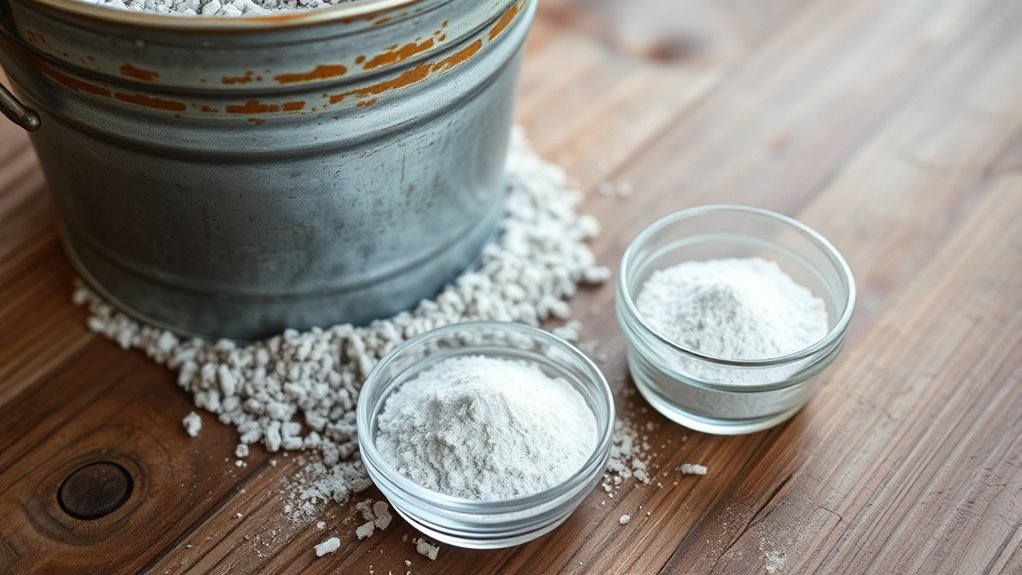

Recycling pellet stove ash is an eco-friendly way to enhance your garden. You can use it as a soil amendment to add essential minerals like potassium, calcium, and magnesium, which help plants grow stronger and improve soil pH. It also acts as a natural pest deterrent for slugs and insects. Just make certain the ash is completely cooled and free of chemicals before use. To discover more smart tips, keep exploring the best ways to handle your ash.
Key Takeaways
- Ensure ash is fully cooled and free of debris before handling or recycling.
- Use pellet stove ash as a soil amendment to improve soil nutrients and pH balance.
- Apply ash around non-edible plants or in compost, avoiding use on edible crops if chemical content is uncertain.
- Store ash in a dry, sealed container to prevent moisture absorption and maintain safety.
- Utilize ash as a natural pest deterrent in gardens, reapplying after heavy rain for continued effectiveness.
Many pellet stove owners overlook the potential benefits of recycling their ash, but this versatile byproduct can be a valuable resource if used properly. Instead of discarding it as waste, you can transform the ash into useful applications around your garden or yard, saving money and minimizing environmental impact. One of the most common and effective uses is as a soil amendment. Pellet stove ash contains minerals like potassium, calcium, and magnesium, which are essential nutrients for healthy plant growth. When applied in moderation, it can help balance soil pH, especially if your soil tends to be acidic. Just be cautious not to over-apply, as excessive ash can raise soil alkalinity too much, potentially harming certain plants. A good rule of thumb is to mix a small amount into your compost or sprinkle lightly around plants that thrive in alkaline soil, like lavender or succulents.
Beyond improving soil quality, pellet stove ash can serve as a natural pest control method. Many gardeners use ash to deter pests such as slugs, snails, and even some insects. Sprinkling a thin layer of ash around vulnerable plants creates a barrier that pests are reluctant to cross. The abrasive texture and the alkaline nature of ash make it an effective, chemical-free deterrent. It’s especially useful in vegetable gardens or flower beds where you want to keep pests away without introducing harmful pesticides. Keep in mind that ash can be washed away by rain, so it’s best to reapply after heavy showers to maintain its pest-repelling properties.
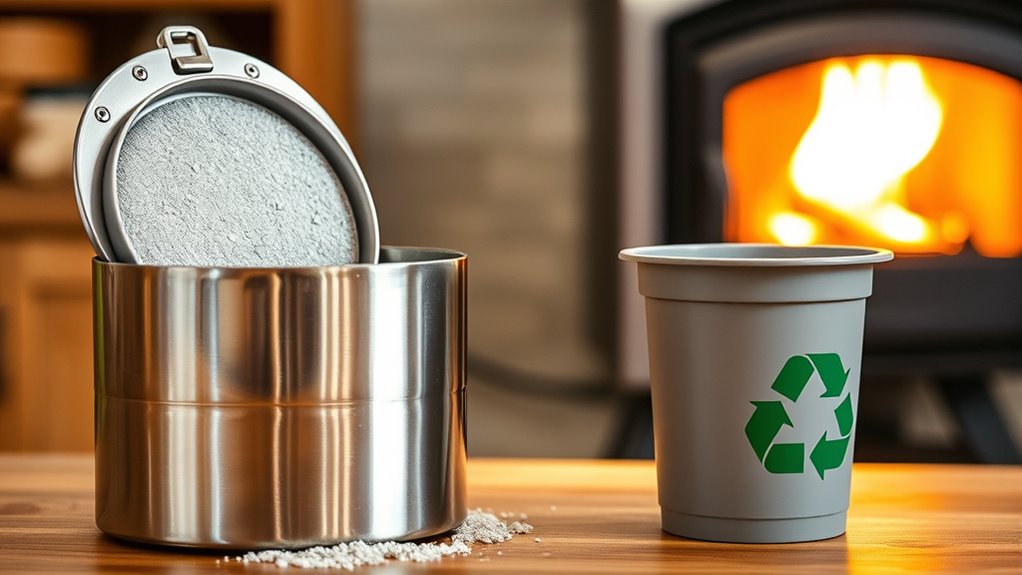
Using pellet stove ash as a soil amendment and pest control tool not only reduces waste but also enhances your gardening efforts. It’s a simple, eco-friendly way to recycle what would otherwise be considered trash. To maximize its benefits, ensure your ash is completely cooled before handling, and avoid using it if it contains any debris or unburned material. Store it in a dry, sealed container until you’re ready to apply it. Remember that not all ash is suitable for garden use—if it contains additives or chemicals from certain pellet types, it’s best to skip using it on edible plants. Additionally, understanding proper disposal methods can help prevent potential environmental issues and ensure safe recycling. When used correctly, pellet stove ash becomes a natural, cost-effective solution to improve soil health and keep pests at bay, turning your waste into a valuable resource.
Top picks for "pellet stove disposal"
Open Amazon search results for this keyword.
As an affiliate, we earn on qualifying purchases.
Frequently Asked Questions
Can Pellet Stove Ash Be Used in Composting?
Yes, you can use pellet stove ash in composting as a garden fertilization method. It acts as a soil amendment, providing potassium and minerals beneficial for plant growth. Just make sure to use it sparingly, as too much ash can alter soil pH and harm your plants. Mix it well into your compost to enhance nutrient content, helping your garden thrive with improved fertilization and soil health.
Are There Any Health Risks Associated With Handling Pellet Stove Ash?
Handling pellet stove ash can pose health concerns if you’re not careful. The ash contains fine particles and trace minerals that can irritate your skin, eyes, or respiratory system. To stay safe, use gloves and a mask, and wash your hands thoroughly afterward. Handling precautions are essential to prevent inhaling dust or spreading ash. If you follow these tips, you minimize health risks and handle the ash safely.
How Long Does Pellet Stove Ash Last Before It Becomes Unusable?
Pellet stove ash can last practically forever if stored properly, but it’s best used within a few months. Ash storage is key—keep it in a metal container away from flammable materials, and it’ll retain its beneficial composition for a long time. Over time, ash composition may change, reducing its usefulness for gardening or soil amendment. So, don’t delay—use or recycle your ash within a few months to maximize its benefits!
Can Pellet Stove Ash Be Used as a Natural Pest Repellent?
Yes, you can use pellet stove ash as a natural pest repellent. Sprinkle it around your garden to deter pests like slugs and beetles, providing natural pest control without chemicals. Additionally, pellet stove ash is rich in potassium and minerals, making it excellent for garden fertilization. Just make sure the ash is cool and dry before application, and avoid overuse to prevent soil alkalinity issues.
Is Pellet Stove Ash Environmentally Friendly When Disposed of Improperly?
Think of improper disposal like tossing a fragile glass into a landfill—harmful to the environment. If you don’t follow proper disposal practices, pellet stove ash can leach into soil and water, causing environmental damage. It’s essential to recognize the environmental impact and dispose of it responsibly. Proper disposal minimizes pollution, protects ecosystems, and guarantees you’re doing your part to keep the environment healthy and safe for everyone.
Conclusion
So, next time you toss out that seemingly useless ash, remember—it’s not just trash, but a treasure waiting to be reborn. Ironically, what’s left after your cozy fire could be the key to healthier plants or cleaner water. Instead of ignoring it, embrace the ash’s hidden potential. After all, in the world of recycling, even the smallest remnants can spark a big change—if you’re brave enough to see the beauty in ashes.