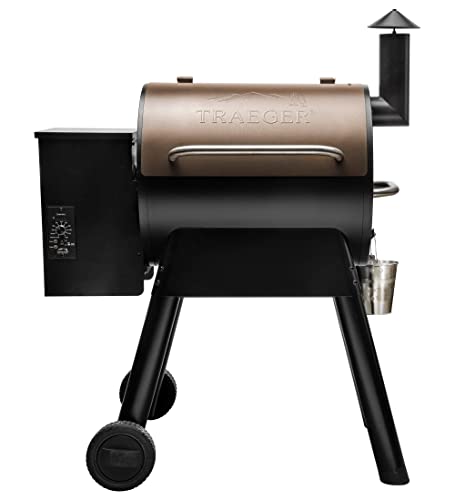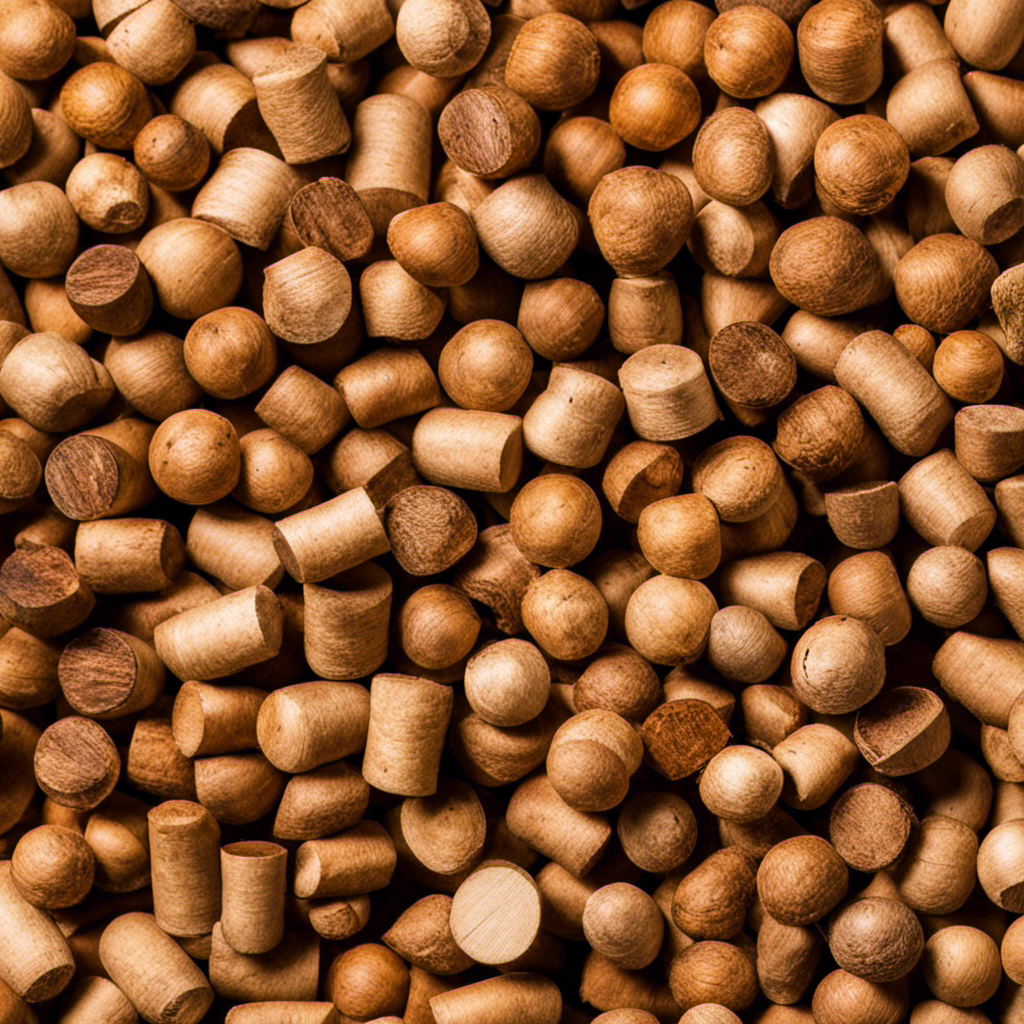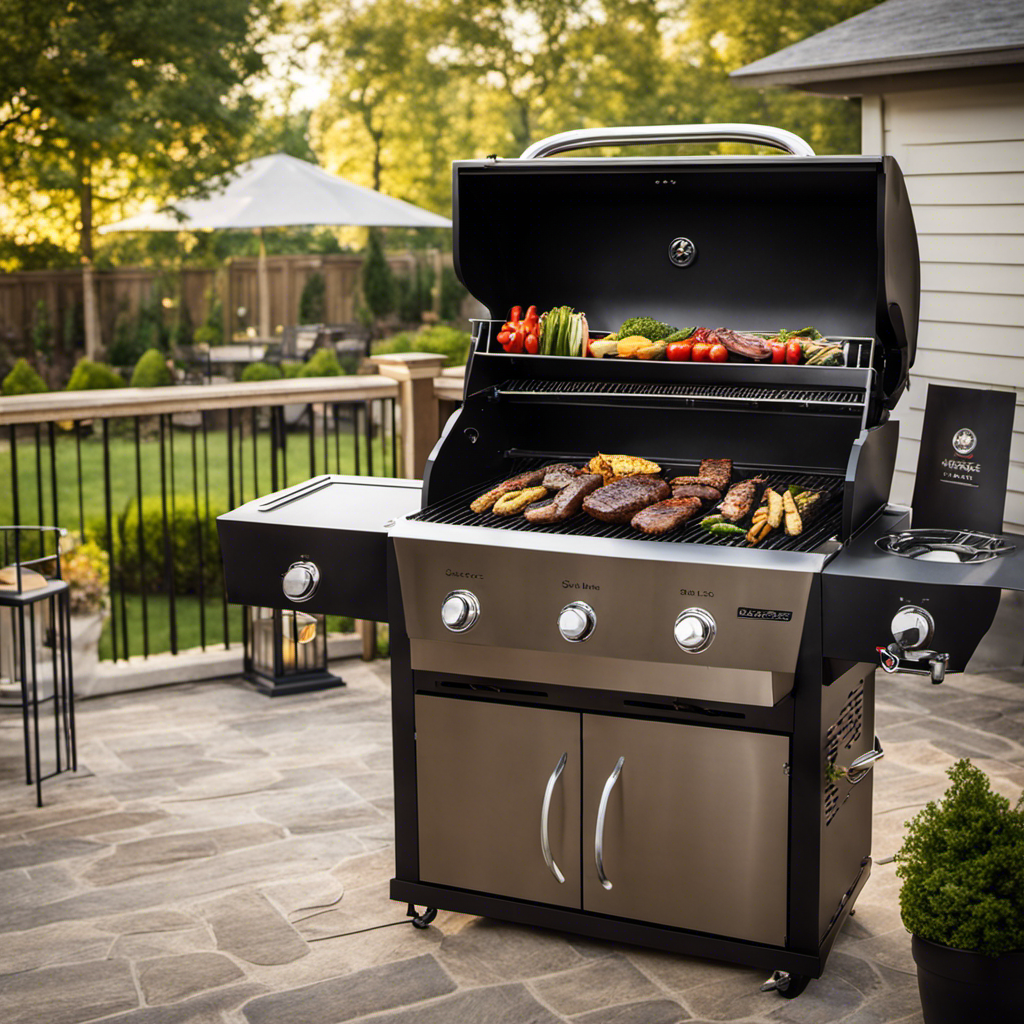
Poor pellet storage exposes your fuel to moisture, pests, and environmental damage, which quickly degrade its quality. When moisture gets in, pellets absorb water, clump, and develop mold, reducing burning efficiency. Pests like insects and rodents can also ruin batches by contaminating or gnawing through packaging. Over time, these issues cause pellets to break down faster and lose effectiveness. If you want to protect your investment, understanding the best storage practices will help you keep your fuel in top condition.

Get backup power and energy gear delivered free with Prime
- Fast, free delivery on millions of items
- Prime Video, Amazon Music and more included
- Member-only deals all year
Key Takeaways
- Moisture infiltration causes pellets to absorb water, reducing combustion efficiency and increasing mold growth.
- Unsealed storage allows pests to damage and contaminate the fuel, compromising quality.
- Damp or poorly stored pellets clump, break down faster, and lose their burning effectiveness.
- Environmental exposure accelerates fuel deterioration, leading to foul odors and visible mold.
- Improper storage practices can lead to inconsistent burning and reduced lifespan of the pellets.
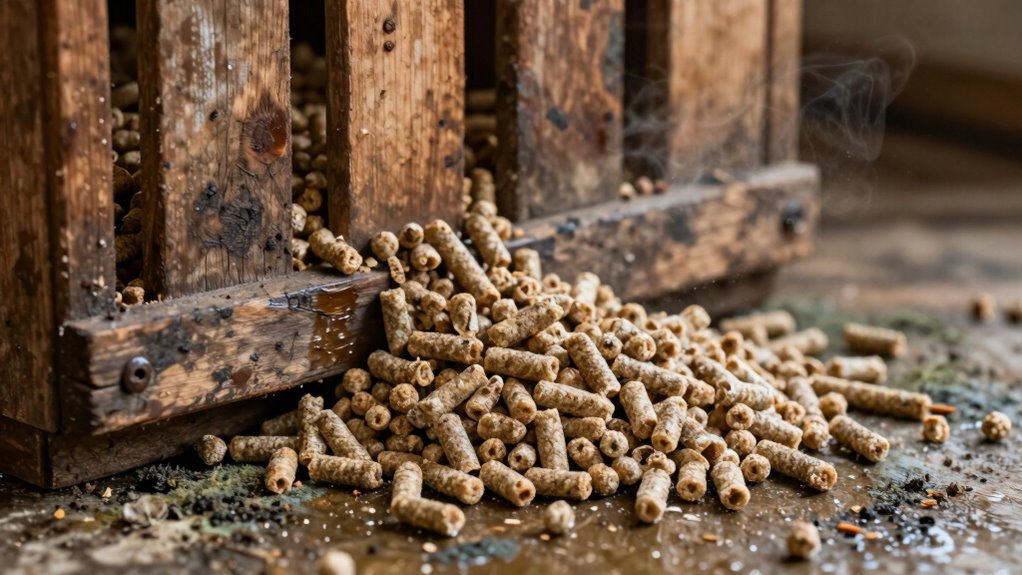
Have you ever wondered how improper storage can turn your pellets and fuel into a wasted resource? It’s a common mistake that many overlook until it’s too late. When you don’t store your fuel properly, moisture infiltration becomes a major problem. Humidity seeps into storage containers or bags, causing the pellets to absorb water. Once moist, the fuel loses its efficiency, producing less heat and burning unevenly. Moisture also promotes mold growth, which can ruin entire batches of fuel, making them unusable. In addition, damp pellets tend to break down faster, reducing the overall lifespan of your stored fuel and forcing you to replace it more often.
Improper storage leads to moisture, mold, and faster breakdown of fuel, wasting resources and reducing efficiency.
Another critical issue that arises from poor storage is pests intrusion. Rodents, insects, and other critters are naturally attracted to stored pellets and fuel, especially if they’re left in open or unsealed containers. Pest intrusion not only contaminates your fuel but also leads to significant waste. Rodents can gnaw through packaging, leaving behind droppings and nesting materials that further damage the pellets. Insects like beetles and larvae can infest the storage area, turning your fuel into a breeding ground for pests. Once pests take hold, it’s challenging to eliminate them completely, and contaminated fuel becomes unsafe to use. This damages your investment and can even pose health risks if pests carry diseases. Proper storage practices are essential to prevent these issues from occurring.
Furthermore, improper storage increases the risk of deterioration over time. When moisture gets in, and pests invade, the quality of your fuel drops sharply. You might notice a foul smell, clumping, or a sticky texture—clear signs that your pellets have been compromised. Regular inspections can help you catch problems early before they ruin large quantities of fuel. Additionally, understanding climate control techniques can further safeguard your stored fuel from environmental damage. The longer you leave fuel exposed to these conditions, the more it degrades, and the less efficient it becomes when burned. It’s also important to understand that proper storage techniques can significantly reduce the chances of pest infestations and moisture damage, preserving your fuel’s integrity. Properly sealed and elevated storage containers prevent moisture buildup and pest access, further safeguarding your investment. Regular inspections help you catch problems early before they ruin large quantities of fuel. Proper storage isn’t just about convenience; it’s about maintaining the quality and value of your fuel and ensuring it burns efficiently every time. Ignoring these simple steps can turn a promising fuel source into a costly mess—and nobody wants that.
pellet storage container with lid
As an affiliate, we earn on qualifying purchases.
As an affiliate, we earn on qualifying purchases.
Frequently Asked Questions
How Long Can Pellets Be Stored Without Losing Quality?
You can store pellets for about 6 to 12 months without losing significant quality, depending on storage conditions. To maintain pellet durability and maximize storage longevity, keep them in a cool, dry place away from moisture and direct sunlight. Proper sealing and airflow help prevent mold and degradation. Regularly check your stored pellets, and if they stay dry and intact, they’ll remain effective and efficient for your heating needs.
What Are the Best Conditions for Storing Pellet Fuel?
Storing pellet fuel is like keeping a delicate plant; it needs the right conditions to thrive. Keep your pellets in a cool, dry place, ideally at a stable storage temperature below 60°F. Protect them from moisture, as excess pellet moisture can cause mold and reduce energy output. Guarantee good ventilation and airtight containers to maintain quality, so your pellets stay efficient and easy to burn whenever you need them.
Can Improper Storage Cause Health Issues?
Yes, improper storage can cause health issues. If you store pellets in damp or poorly ventilated areas, mold growth can develop, releasing spores into your indoor air quality. Breathing in mold spores may trigger allergies or respiratory problems, especially for sensitive individuals. To avoid health risks, keep pellet storage dry, well-ventilated, and away from living spaces, ensuring safe indoor air quality and preventing mold growth.
How Do I Recognize Spoiled or Degraded Pellets?
You’ll notice spoiled pellets when they feel damp or have a strange, musty smell, indicating high moisture levels. Mold growth often appears as fuzzy or discolored patches on the surface. Coincidentally, moisture promotes mold and degrades pellet quality, making them less efficient and potentially harmful. If pellets clump together or feel soft, it’s a sign they’ve absorbed too much moisture, and it’s best to replace them to maintain peak fuel performance.
Is There an Ideal Container for Pellet Storage?
You should choose a container made of moisture-resistant materials like metal or heavy-duty plastic for pellet storage. Make sure it seals tightly to prevent air and moisture ingress. Keep the container in a cool, dry place with a stable storage temperature, ideally between 60-70°F, to maintain pellet quality. Proper ventilation and avoiding direct sunlight also help preserve the fuel and prevent spoilage.
Conclusion
Just as Icarus soared too close to the sun, neglecting proper pellet storage can lead you to a fiery downfall. If you ignore the importance of correct handling, your fuel’s potential might burn away, leaving you with ruined resources and wasted effort. Remember, even the strongest wings need careful maintenance. Protect your investment by storing pellets wisely—don’t let carelessness be the wings that bring you crashing down. Stay vigilant, and your fuel will serve you well.
Halloween Picks
halloween
As an affiliate, we earn on qualifying purchases.