
You should consider adding an outside air kit if your home feels stuffy, has lingering odors, or if indoor humidity is high. It’s especially helpful if your current ventilation system doesn’t seem to do enough to improve air quality. Properly installing an outside air kit can help bring in fresh air, reduce pollutants, and maintain comfort. To find out more about when and how to add one, keep exploring the details below.
Key Takeaways
- When your home feels stuffy, stale, or has persistent indoor odors, adding an outside air kit improves ventilation.
- If indoor humidity is high or air quality issues arise, an outside air kit helps dilute pollutants effectively.
- When existing ventilation systems are insufficient to exchange indoor and outdoor air, consider installing an outside air kit.
- In areas with outdoor pollution sources nearby, proper placement and filtration in an outside air kit prevent contamination.
- During extreme weather or in climate-sensitive regions, adjustable dampers or sensors optimize outside air intake for energy efficiency.
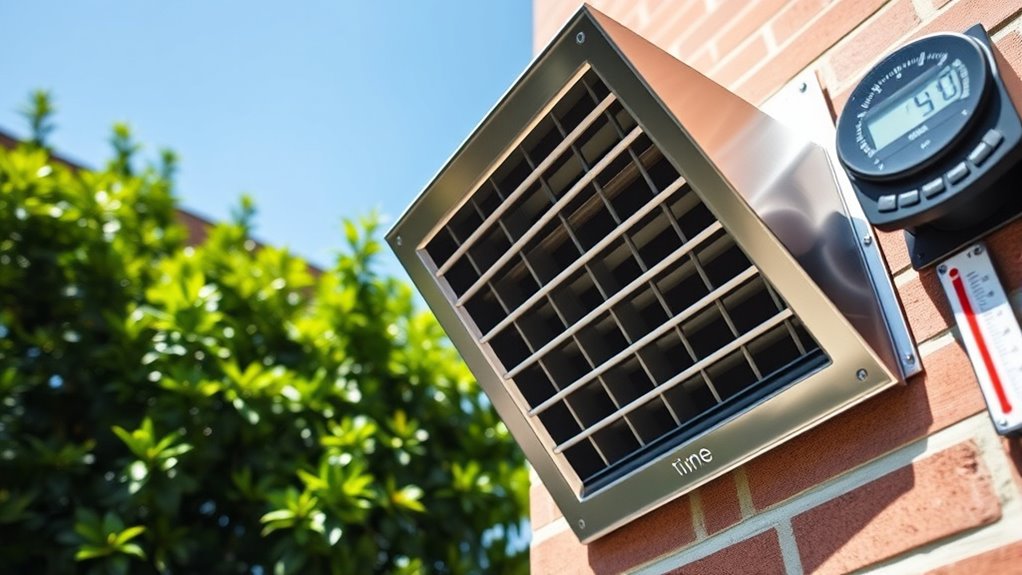
Have you ever wondered how to improve indoor air quality while keeping your ventilation system efficient? If so, adding an outside air kit might be just what you need. Outside air kits are designed to bring fresh air directly from outside into your home’s ventilation system, helping to dilute indoor pollutants and maintain healthier air. But knowing when to add one isn’t always obvious. Recognizing the right time involves understanding your home’s air quality needs and how your current ventilation system operates. If your home feels stuffy, has persistent odors, or if you notice high humidity levels, it could be a sign that your indoor air quality needs a boost. Installing an outside air kit can effectively address these issues, but it’s essential to ensure proper installation to maximize benefits.
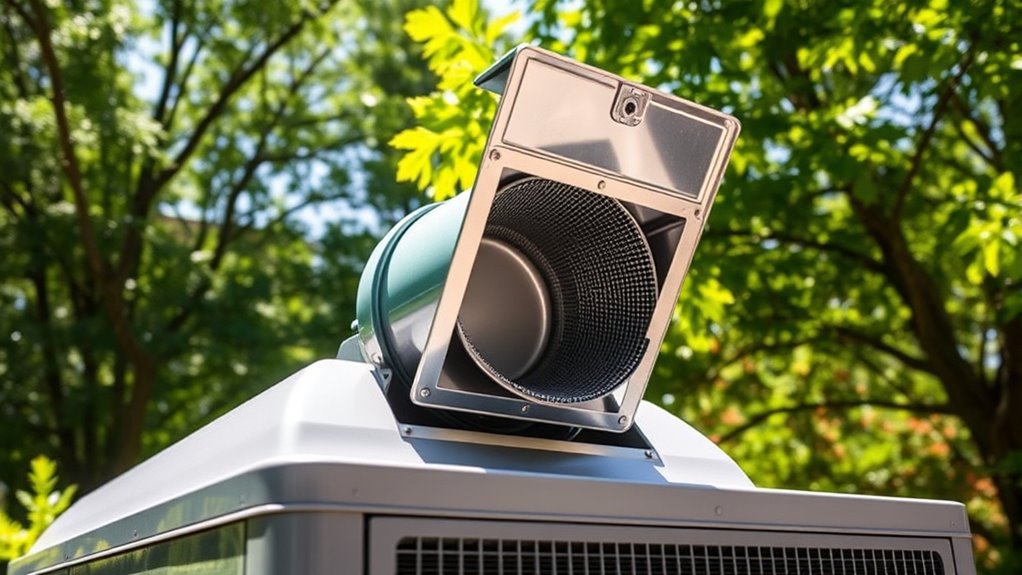
When considering installation tips, first evaluate your current ventilation setup. An outside air kit should be compatible with your system and properly sized to meet your home’s airflow requirements. The kit typically involves a damper, a grille, and ductwork that connects to your existing ventilation system. Make sure the intake is placed away from sources of pollution, such as busy roads or trash areas, to avoid bringing in contaminated air. During installation, sealing all connections tightly is vital to prevent air leaks, which can reduce efficiency and compromise indoor air quality. It’s also beneficial to include a filter in the intake to prevent dust, pollen, and other outdoor particles from entering your home. Additionally, understanding the importance of proper airflow can help in optimizing your system’s performance. Proper airflow regulation is crucial to prevent energy waste and ensure fresh air circulation.
Another installation tip is to consider the climate in your region. If you live in an area with extreme weather conditions—hot, cold, or humid—look for an outside air kit with adjustable dampers or sensors. These features help regulate the amount of outside air brought in, preventing energy waste and maintaining comfort. Additionally, regular maintenance plays a key role; inspect and clean the intake grille and filter periodically to keep air quality high and your system running smoothly. Properly installed outside air kits can work seamlessly with your existing ventilation system, providing fresh air without sacrificing energy efficiency. Incorporating proper maintenance practices can extend the lifespan of your system and ensure consistent air quality.
Frequently Asked Questions
How Do Outside Air Kits Impact Indoor Air Quality?
Outside air kits improve your indoor air quality by increasing indoor ventilation, which helps dilute pollutants and reduces stale air. They also support better air filtration by allowing fresh outdoor air to circulate, minimizing indoor contaminants. When you add an outside air kit, you actively enhance air exchange and filtration, making your environment healthier and more comfortable. This is especially beneficial in tight or poorly ventilated spaces.
Are Outside Air Kits Suitable for All HVAC Systems?
Outside air kits aren’t suitable for all HVAC systems. You need to check your system’s compatibility before installation, as some units require system modifications to work properly with outside air intake. If your HVAC system is compatible, adding an outside air kit can improve indoor air quality. However, always consult a professional to verify proper installation and avoid potential issues with your specific system.
What Maintenance Is Required for Outside Air Kits?
You should regularly maintain your outside air kit by replacing filters every 1-3 months to guarantee proper airflow and air quality. Additionally, inspect the ducts periodically for dirt, debris, or blockages that could reduce efficiency. Keep the vents clean and free from obstructions. Regular maintenance helps your HVAC system run smoothly, improves indoor air quality, and extends its lifespan. Don’t forget to schedule professional checkups if needed.
Can Outside Air Kits Reduce Energy Efficiency?
Yes, outside air kits can improve energy savings by enhancing ventilation effectiveness. When you add one, it helps bring in fresh air efficiently, reducing the need for over-conditioning indoor air. This can lower your energy bills while maintaining good indoor air quality. Properly installed outside air kits optimize airflow, ensuring your system works smarter, not harder, which ultimately boosts overall energy efficiency and comfort in your space.
How Do I Determine the Right Size Outside Air Kit for My Home?
To determine the right size outside air kit for your home, start by evaluating your home’s size and ventilation needs. You should match the ventilation rates recommended for your space—typically around 15 CFM (cubic feet per minute) per person or based on square footage. Measure your home’s volume, then select an outside air kit that provides adequate airflow without over-ventilating, ensuring energy efficiency and proper indoor air quality.
Conclusion
Adding an outside air kit is like opening a window to invigorate your home’s essence—it’s a simple upgrade that can breathe new life into your indoor environment. Knowing when to install one ensures you’re not just letting in air, but welcoming healthy, clean air in when you need it most. So, think of it as your home’s personal refresh of fresh air, ready to refresh whenever you feel the atmosphere needs a pick-me-up.