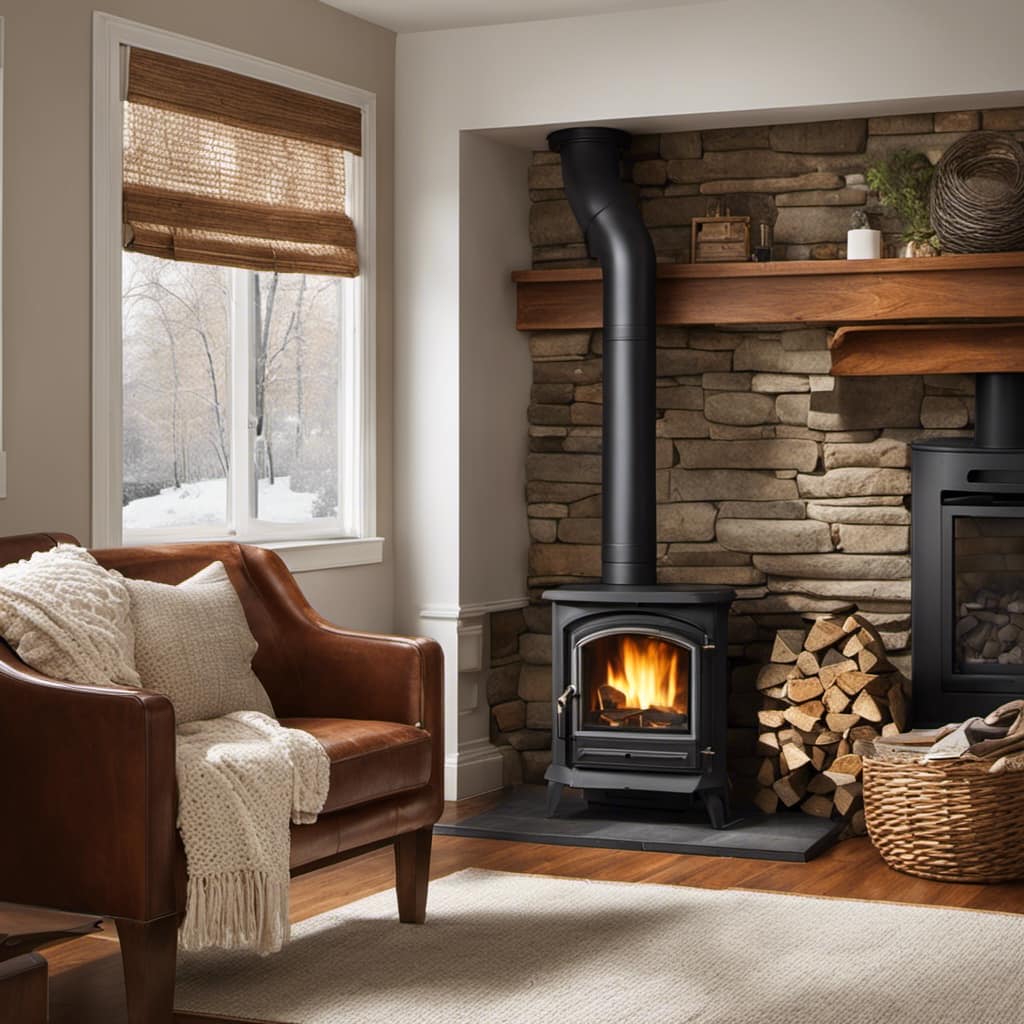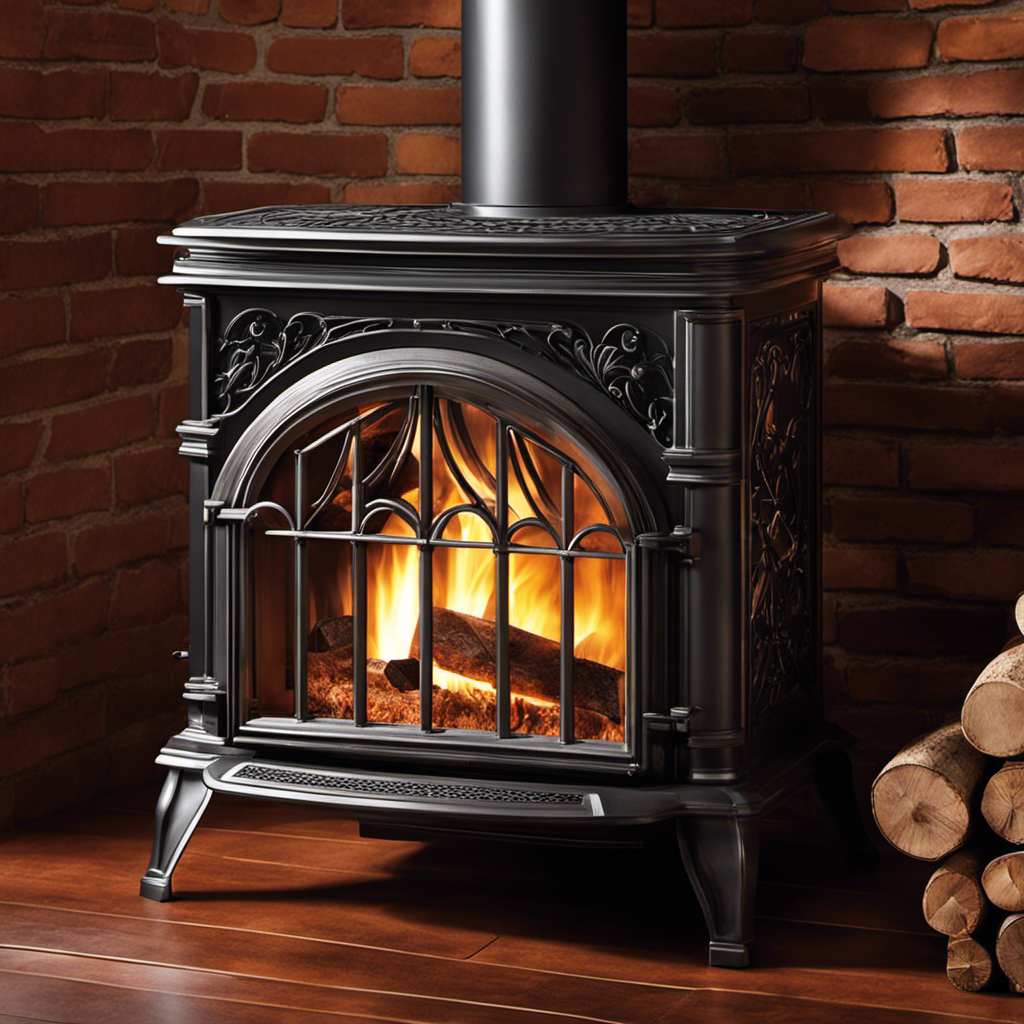

To optimize airflow and draft in your small wood stove, start by controlling the air intake near the bottom of the stove—open it for hotter fires and close it for longer burns. Also, adjust the chimney damper to create the ideal draft—too weak causes smoke, too strong wastes heat. Balance these controls by monitoring how your fire burns and make small tweaks. Keep experimenting, and you’ll discover how to achieve safe, efficient, and cleaner combustion—more tips come next.
Key Takeaways
- Adjust the air intake damper to control fresh air entering the firebox, balancing fire intensity and efficiency.
- Fine-tune the chimney draft by modifying the damper or installing a draft regulator for optimal airflow.
- Ensure proper wood dryness and vertical storage to promote better airflow and combustion.
- Monitor smoke and heat output regularly to make timely adjustments to intake and draft controls.
- Maintain clean chimney and stove components to prevent airflow restrictions and ensure safety.

Proper air flow is crucial for maximizing the efficiency and safety of your small wood stove. Without adequate airflow, your stove won’t burn fuel completely, leading to excess smoke, creosote buildup, and potential safety hazards. To get this right, you need to understand the importance of air intake control and how to properly adjust the chimney draft. These two elements work together to regulate how much oxygen reaches the fire and how efficiently smoke and gases are vented out.
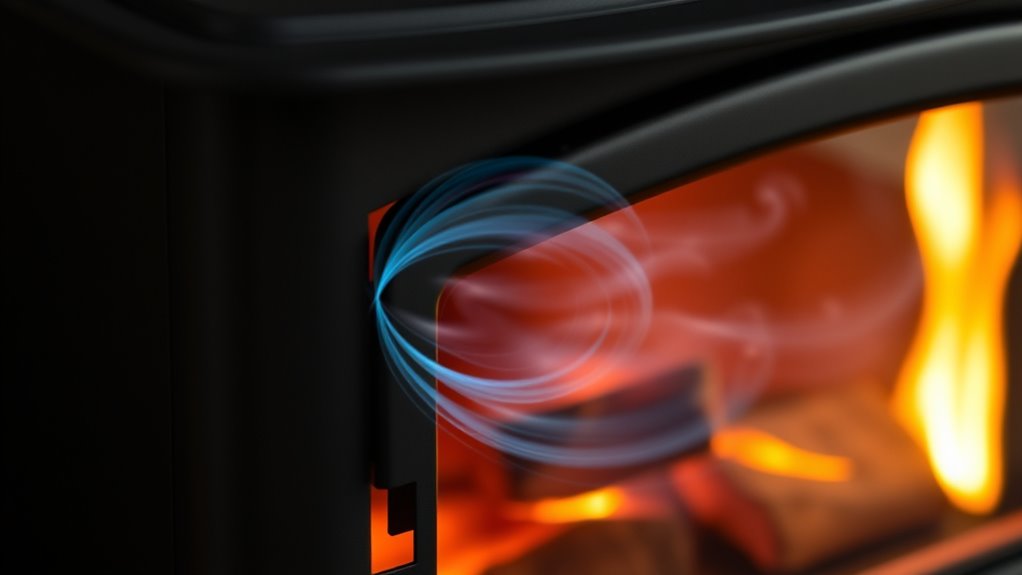
Your stove’s air intake control is typically a simple damper or slider located near the bottom of the unit. It allows you to regulate the amount of fresh air entering the firebox. When you open the air intake, more oxygen feeds the fire, making it burn hotter and faster. Conversely, closing the intake restricts airflow, which slows the burn rate and produces a steadier, longer-lasting fire. You should adjust this control based on the size of your fire and the type of wood you’re burning. For a quick, hot burn, open the intake fully. For longer, more efficient burns, keep it partially closed once the fire is established.
Chimney draft adjustment is equally important. The draft is the upward force pulling air through your stove and out the chimney. If the draft is too weak, smoke can back up into your home, and the fire will struggle to stay lit. If it’s too strong, you risk excessive heat loss and creosote buildup inside the chimney. To adjust the draft, you may need to modify the chimney damper or install a draft regulator. Opening the damper slightly increases draft, helping smoke escape more rapidly and improving combustion. Closing it reduces draft, which can slow down the burn and prevent excessive heat loss. Achieving the right chimney draft involves trial and error—start with a moderate setting, then fine-tune based on how the stove performs.
Balancing air intake control with chimney draft adjustment is the key to optimizing airflow. If you notice smoke lingering or the fire burning too fast, tweak these controls. For example, if smoke is rolling out of the stovepipe, try opening the air intake more or increasing the draft. If the fire is burning too quickly and wasting wood, partially close the intake and reduce the draft. Regularly monitoring and adjusting these controls ensures your stove operates safely, efficiently, and with minimal creosote buildup.
In addition, using vertical storage solutions for your firewood can improve airflow and help keep your wood dry, further enhancing combustion efficiency and safety.
In essence, mastering air intake control and chimney draft adjustment allows you to fine-tune your small wood stove’s airflow. Doing so improves combustion, maximizes heat output, and extends the life of your stove and chimney. It’s a simple yet crucial part of stove operation that, when managed properly, results in cleaner burns and safer, more effective heating.
Frequently Asked Questions
How Does Ambient Room Temperature Affect Stove Airflow?
Ambient room temperature directly affects your stove’s airflow by influencing ventilation system efficiency and room insulation. If the room is warmer, the natural draft may decrease, reducing airflow and combustion efficiency. Conversely, cooler temperatures increase the draft, improving airflow. Ensuring your ventilation system is well-maintained and your room insulation is adequate helps stabilize airflow, making your stove burn more efficiently regardless of temperature fluctuations.
Can Air Flow Adjustments Improve Stove Efficiency?
Think of your stove’s airflow control as a steering wheel guiding a ship. Yes, adjusting airflow can boost efficiency by managing draft effectively. Proper draft management ensures your wood burns hotter and longer, saving fuel and reducing smoke. Fine-tuning the air supply helps your stove operate at its best, making sure you get the most warmth with less effort. So, don’t hesitate to experiment with airflow adjustments to find that sweet spot.
What Safety Precautions Are Necessary When Modifying Airflow?
When modifying airflow, you need to prioritize fire safety by making certain your ventilation system remains effective and unobstructed. Always turn off the stove and let it cool before making adjustments. Wear gloves and use proper tools to avoid burns or accidents. Check for leaks or blockages afterward, and guarantee adequate ventilation to prevent carbon monoxide buildup. Regularly inspect your stove to maintain safety and efficiency after any airflow modifications.
How Often Should Air Intake Components Be Cleaned?
You should clean your air intake components at least once a month to guarantee ideal airflow. Regular air filter maintenance prevents buildup that can restrict draft and reduce efficiency. Additionally, schedule chimney cleaning at least once a year to remove creosote and debris, which can impair draft and pose safety hazards. Consistent cleaning keeps your small wood stove operating efficiently and safely, maintaining proper air flow and draft.
Are There Specific Tools Recommended for Airflow Optimization?
You should use specific tools like ventilation accessories and airflow measurement devices to maximize airflow. A handheld anemometer helps measure airflow speed, while adjustable vents and dampers allow you to control ventilation accessories effectively. Using these tools, you can fine-tune your stove’s air intake, ensuring better draft and more efficient burning. Regularly checking airflow measurement results helps maintain ideal performance and safety in your small wood stove setup.
Conclusion
By fine-tuning your air flow, you’ll get the most out of your small wood stove, ensuring a warm and efficient burn. Remember, a little attention to detail can go a long way—think of it as keeping all your ducks in a row. When you master the airflow, you’ll not only save fuel but also enjoy a cozy, crackling fire every time. Keep adjusting and stay attentive; the effort pays off in warmth and savings.