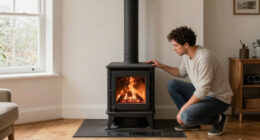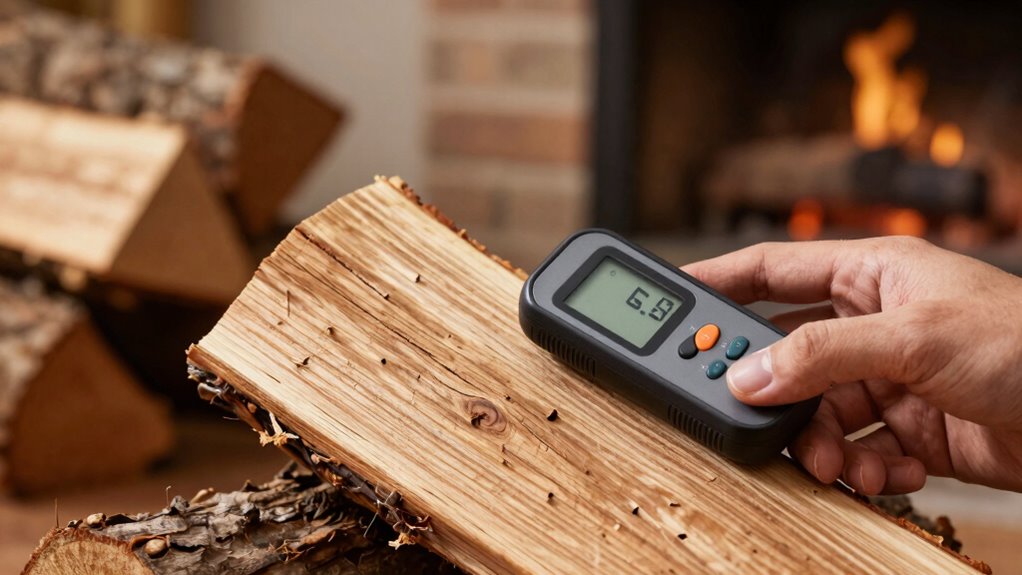

To make wood heat easier, get into the habit of regularly using a moisture meter to check your firewood’s moisture levels. Store wood properly in a dry, ventilated area, and cover only the top to allow air circulation. Use the moisture readings to decide when your wood is ready—ideally below 20%. Consistently monitoring helps you avoid wet or poorly seasoned wood, ensuring cleaner, hotter fires. Keep going to discover more ways to optimize your firewood routine.

Get backup power and energy gear delivered free with Prime
- Fast, free delivery on millions of items
- Prime Video, Amazon Music and more included
- Member-only deals all year
Key Takeaways
- Regularly measure moisture content to determine when firewood is properly seasoned and ready to burn.
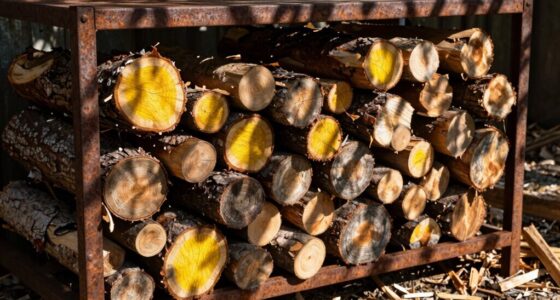
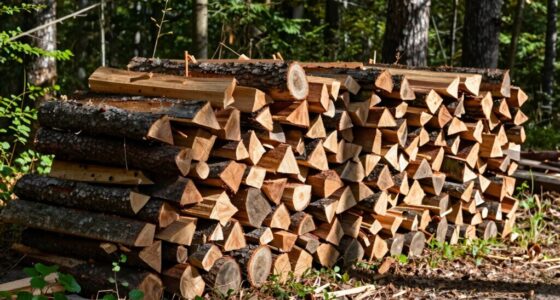
- Store wood in a dry, ventilated area and cover tops to prevent moisture absorption while allowing airflow.
- Adjust drying methods based on moisture readings, increasing ventilation if moisture remains high.
- Use different moisture levels to select appropriate wood types for specific heating needs.
- Incorporate environmental factors, like humidity, into your drying routine by monitoring moisture content regularly.
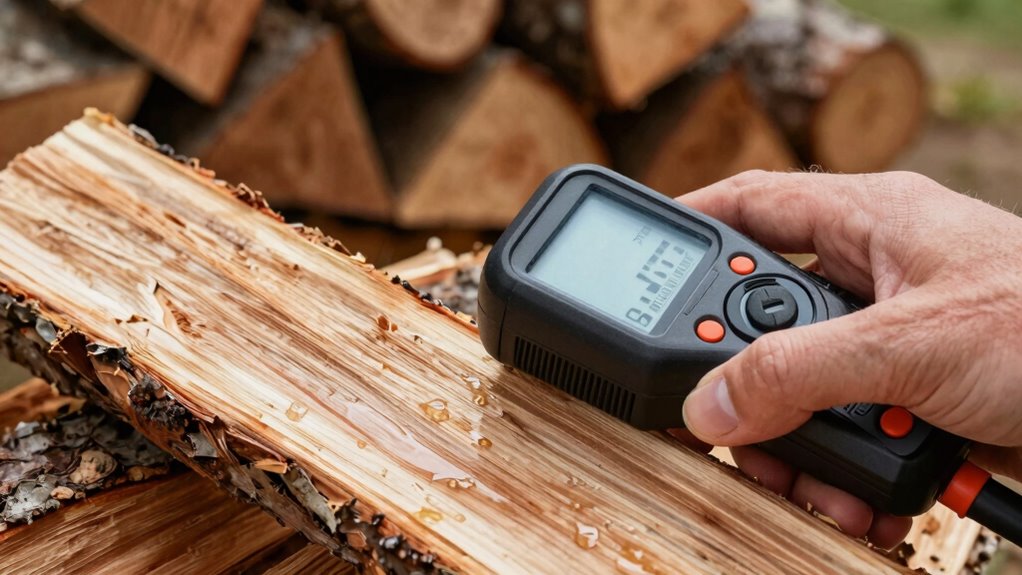
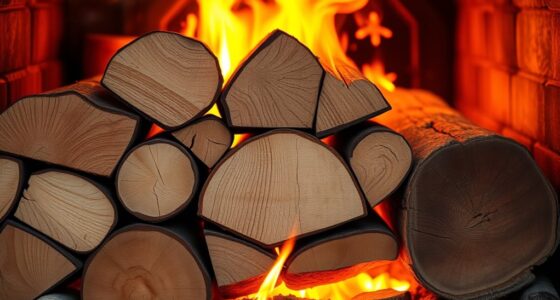
Using a moisture meter regularly can make wood heating much easier and more efficient. When you measure the moisture content of your firewood, you gain valuable insight into whether it’s ready to burn or needs more time to dry. This simple step can save you a lot of trouble, like inefficient burns, excessive smoke, or creosote buildup. You’ll find that understanding your wood’s moisture level helps you make smarter decisions about when and how to use it, leading to cleaner, warmer fires. Proper wood storage plays a crucial role in maintaining low moisture content. If you’re not storing your wood correctly, it’s easy for it to absorb moisture from the environment, which increases drying time and decreases heating efficiency. To keep moisture levels low, you should store your wood in a dry, well-ventilated area off the ground. Cover the top but leave the sides open to allow air circulation, preventing moisture buildup and mold growth. When you regularly check the moisture content of your stored wood, you’ll know exactly when it’s dried enough to burn. This prevents you from wasting time and effort on wood that’s still too wet, and it ensures you’re using wood that will burn hotter and produce less smoke. In addition, understanding how air circulation affects moisture levels can help optimize your drying process. Incorporating the habit of measuring moisture content into your routine encourages better wood storage habits overall. When you see the moisture levels dropping over time, it confirms your storage methods are effective. Conversely, if levels stay high, it’s a sign to improve ventilation or extend your drying period. This feedback loop helps you develop a more consistent and reliable approach to preparing firewood. Plus, knowing the moisture content can help you select the right wood for specific needs—hardwoods like oak or maple generally dry slower but burn longer, while softer woods dry faster but may produce more creosote if not properly seasoned. Additionally, using proper storage techniques can significantly influence how quickly and effectively your wood dries. Regular monitoring with a moisture meter also provides valuable feedback that helps you adjust your drying strategy as needed. Being aware of environmental factors such as humidity and temperature can further enhance your drying process and overall firewood management.
As an affiliate, we earn on qualifying purchases.
Frequently Asked Questions
How Often Should I Check Wood Moisture Levels During the Heating Season?
You should check your wood’s moisture levels every few weeks during the heating season. Seasonal humidity changes can affect how well your wood burns, so regular checks help you maintain efficient heating. Keep in mind that properly stored wood in a dry, well-ventilated area remains drier longer. Using a moisture meter, you can guarantee your wood stays below 20%, making your heating more effective and reducing creosote buildup.
Can Moisture Meters Be Used on All Types of Wood?
Yes, moisture meters can be used on all types of wood, but keep in mind that proper wood storage and moisture calibration are key. Think of your meter as a loyal compass guiding you through the forest of firewood, regardless of species. Some woods may need calibration adjustments, so make certain your device is accurate for each type. This way, you’ll always have the right moisture reading, making your wood heat experience smooth and reliable.
What Is the Ideal Moisture Content for Burning Seasoned Wood?
The ideal moisture content for burning seasoned wood is between 15% and 20%. To guarantee this, you should use your moisture meter regularly, making sure it’s properly calibrated for accurate readings. Proper seasoning techniques, like stacking wood in a dry, ventilated area for at least six months, help achieve this moisture level. Keep checking with your moisture meter and calibrate it periodically for the best results.
How Do Environmental Factors Affect Moisture Meter Readings?
Environmental humidity and wood storage conditions directly influence moisture meter readings. High humidity or storing wood outdoors can lead to higher moisture readings, even if the wood is seasoned. To get accurate results, make sure your wood is stored properly in a dry, covered area, and take readings in consistent environmental conditions. This helps you determine the true moisture content, making your wood burning more efficient and safe.
Are Digital Moisture Meters More Accurate Than Analog Ones?
Digital moisture meters are generally more accurate than analog ones because they offer precise calibration accuracy and consistent readings. They also tend to have longer battery lifespan, reducing the need for frequent replacements. You’ll find digital models easier to use, especially in tricky moisture measurements, thanks to their clear digital displays. Keep your device calibrated properly, and monitor the battery life for peak performance.
Conclusion
Mastering moisture meter habits helps you manage moisture, maximize heat, and make wood burning a breeze. By building better habits—checking consistently, calibrating carefully, and recording reliably—you’ll develop a disciplined, dependable routine. These small steps spark significant savings and smoother fires, transforming your wood heating experience from frustrating to fantastic. Embrace these easy, effective practices, and enjoy the warmth and wonder of well-watched wood with confidence and comfort!
Halloween Picks
halloween
As an affiliate, we earn on qualifying purchases.