TL;DR

Get backup power and energy gear delivered free with Prime
- Fast, free delivery on millions of items
- Prime Video, Amazon Music and more included
- Member-only deals all year
A provision in a pending Massachusetts energy bill could require moderate-income households in designated equity communities to submit income documents to get free Mass Save weatherization. The rule would not apply to otherwise similar households elsewhere, and the provision’s wording and final outcome remain uncertain.
A provision in a pending Massachusetts energy bill could require some moderate-income households in designated equity communities to submit income-verification documents to receive free weatherization through Mass Save. The proposed rule would leave the paperwork exemption in place for comparable households elsewhere, a difference environmental justice advocates say could make efficiency benefits harder to access in communities the program is trying to reach.
Under current Mass Save rules, low- and moderate-income households statewide can receive free weatherization without submitting paperwork to verify earnings. The exemption also covers owners of rental properties with up to four units. Last year, the program extended no-verification access in 21 designated equity communities to all households, including owners of larger rental buildings that had previously been excluded.
The bill provision described by Canary Media would apply specifically to moderate-income households in those equity communities. If enacted as written, those families would have to provide income documentation, such as pay stubs or tax documents, to receive the service. Moderate-income households outside the designated areas would retain the exemption.
The report illustrates the difference with a hypothetical four-person household in Lawrence: a family earning $90,000 would have to verify its income under the provision, while a family earning $200,000 could receive weatherization without verification. A household earning $90,000 in nearby Andover would also be exempt. The example describes how the proposed rules could operate; it is not evidence of an individual household’s eligibility decision.
Paperwork Could Limit Weatherization Access
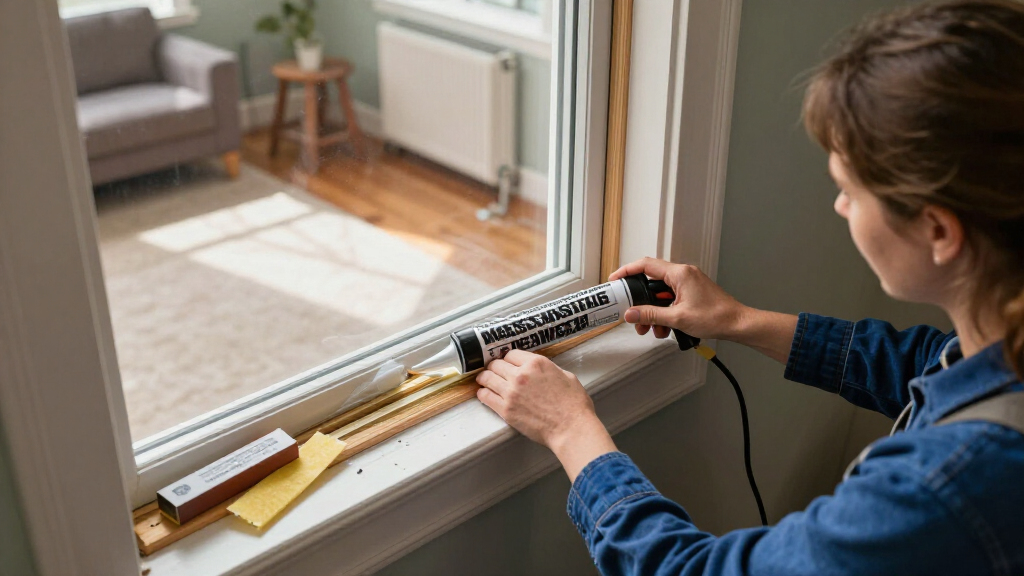
Weatherization can reduce the amount of energy a home needs for heating and cooling, which can lower household energy costs. The report says savings can amount to hundreds of dollars a year, though results vary by home and project. For residents managing tight budgets, lower bills can free money for other household expenses.
Adding an income-documentation step could make access more difficult for the households covered by the proposed rule, particularly if gathering records delays an application or discourages someone from applying. That is the concern raised by environmental justice advocates; the supplied reporting does not quantify how many residents might be affected or how many projects could be lost.
The policy question reaches beyond paperwork. Mass Save is funded by utility customers, and the program has been working to increase participation among lower-income residents and renters, groups that have historically received less benefit. Supporters of broader eligibility argue that making services easier to obtain can help address that imbalance. Critics question whether the designated-community rules were developed transparently and whether higher-income households in those areas should receive free services.
As an affiliate, we earn on qualifying purchases.
How Mass Save Expanded Eligibility
Massachusetts has long been recognized for its energy-efficiency programs. Mass Save offers services including home energy audits, appliance rebates and weatherization. Even with those benefits, the program has faced difficulty reaching some lower-income households and rental properties. Renters often cannot authorize building upgrades themselves, while landlords may have limited incentive to invest when tenants pay the utility bills.
In 2024, Mass Save began allowing moderate-income residents statewide to receive free weatherization without proving their earnings, extending an exemption already available to low-income residents. The next year, the program established 21 designated equity communities, identified by low average earnings and high renter populations. Within those areas, the exemption also opened access to owners of rental properties with five or more units.
Participation rose after the statewide change, according to figures cited by Canary Media. Mary Wambui, an affordable housing asset manager at the nonprofit Planning Office for Urban Affairs and a co-chair of the energy-efficiency advisory council’s equity working group, said Mass Save completed about 700 weatherization projects for moderate-income households in 2023, compared with more than 8,200 in 2025. The figures are annual project counts; the report does not establish that the policy change alone caused the increase.
“Removing as many barriers as possible is critical to closing the equity gap.”
— Mark Kresowik, senior policy director at the American Council for an Energy-Efficient Economy
Bill Language And Eligibility Questions
The provision is part of a complex energy bill, and the report says its language may change before the bill is finalized. The supplied material does not specify a final legislative timetable, whether lawmakers will amend or remove the clause, or when any new documentation requirement would begin.
It is also unclear how many moderate-income households would face the added step, whether the requirement would change participation, or what administrative process would be used to review documents. The dispute over the equity-community criteria remains unresolved: critics want greater transparency about how the 21 places were selected, while supporters say the list was approved by state utility regulators through a public process.
Some lower-income towns were not included because they did not meet the advisory council’s renter-population threshold, according to the report. The source material does not provide the full criteria or a complete list of communities, so the scale and distribution of potential effects cannot be independently determined from the information available here.
Lawmakers Face Eligibility Choices
The immediate next step is for Massachusetts lawmakers to continue work on the pending energy bill and decide whether to revise the weatherization language. The report indicates stakeholders expect the current wording could change, but does not identify a confirmed amendment or final vote date.
As the bill advances, the central questions are whether moderate-income residents in designated equity communities will retain the same no-verification access as similar households elsewhere, and whether lawmakers will address concerns about how those communities were selected. Until the language is settled, residents should treat the proposed paperwork rule as a possible change, not an enacted requirement.
Key Questions
What would the Massachusetts bill change?
As described in the report, it would require moderate-income households in designated equity communities to submit income-verification documents to receive free Mass Save weatherization. Similar households elsewhere would remain exempt under the proposal.
Is the paperwork requirement already in effect?
No. The requirement is part of a pending bill. The report says the wording could change before the legislation is finalized.
Who can currently get free weatherization without proving income?
Under the rules described in the report, low- and moderate-income households statewide can receive free weatherization without income verification. In 21 designated equity communities, the exemption also extends to households regardless of income and to owners of larger rental properties.
Why are the designated equity communities disputed?
Critics say lawmakers should have publicly debated the criteria and question why some lower-income towns were excluded. Supporters say the list was approved by state utility regulators and that easier access is needed because lower-income residents and renters have historically received less benefit from Mass Save.
Source: rss
Halloween Picks
halloween
As an affiliate, we earn on qualifying purchases.