TL;DR

Get backup power and energy gear delivered free with Prime
- Fast, free delivery on millions of items
- Prime Video, Amazon Music and more included
- Member-only deals all year
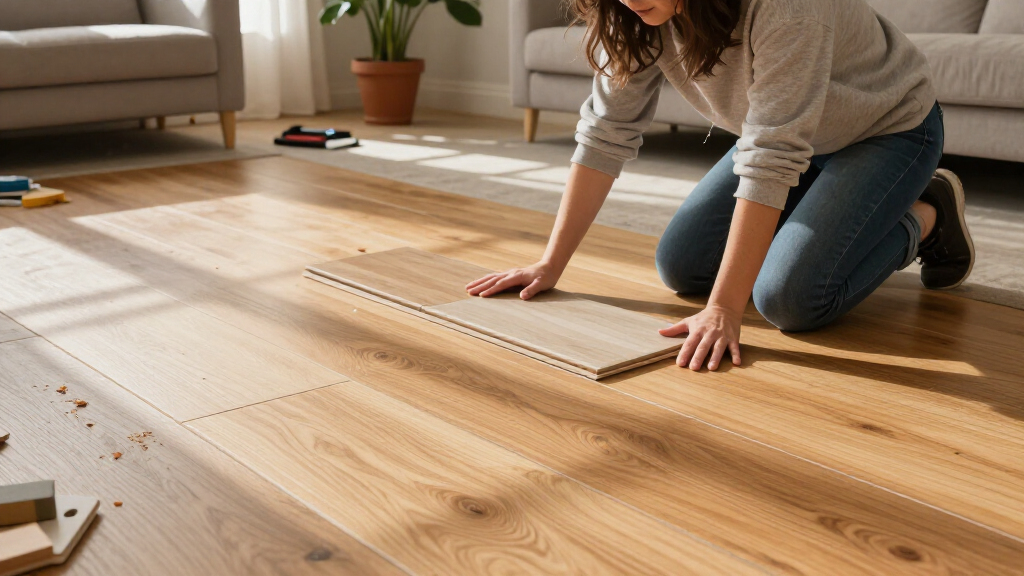
Tile makers are introducing porcelain planks with more detailed wood grain, varied species and textured finishes. Designers cited in House Beautiful see practical advantages in damp or exposed spaces, but the material can feel colder and harder than hardwood, and installation can narrow the price difference.
Tile manufacturers are showing more realistic wood-look porcelain, including new collections presented at this year’s Cersaie exhibition, but designers quoted by House Beautiful do not describe it as a universal replacement for hardwood. They point to moisture resistance and durability as advantages in kitchens, bathrooms and exposed coastal homes, while noting that porcelain is harder and cooler underfoot and may not cost less once installation is included.
At Cersaie, an annual ceramic tile and bathroom furnishings exhibition in Bologna, Italy, the House Beautiful report found wood-inspired porcelain planks among the new launches. The products aim to reproduce a wider range of timber appearances, from oak to walnut and teak, using more detailed grain, color variation and surface texture than older wood-look designs.
Italian manufacturer Atlas Concorde introduced an expansion of its Log Anthology range featuring six species: Douglas fir, ash, elm, walnut, teak and zebrano. The report says the collection uses high-definition decoration and Sensitech surface technology, which the company describes as combining slip resistance with a softer feel. Marca Corona’s Elisir Pura, inspired by Slavonian oak, comes in two variations with different levels of knots and grain markings, plus a wax-effect finish.
Wood-look tile is also being promoted beyond luxury Italian collections. Floor & Decor introduced its NatureMatch line, which the company says focuses on more realistic visuals and textures. Ashley Biscan, the retailer’s design and trend expert, told House Beautiful that demand is growing as the appearance improves. She said current popular styles favor light tones, restrained grain and limited color variation, rather than conspicuous knots.
Where Porcelain Can Outperform Wood
The choice matters most in rooms and climates where moisture or wear can make natural hardwood harder to maintain. Porcelain is highly resistant to moisture, scratches and everyday wear, according to the report, making it a practical option for kitchens, bathrooms and mudrooms. Britney Stein of Florida-based Sketch Design Studio said her team chose it for an oceanfront home exposed to humidity, salt air and moisture.
Designers also use the material to connect indoor and outdoor areas. Stein described a project with chevron-pattern porcelain in an outdoor loggia, color-matched to the hardwood inside. Coordinating formats from manufacturers can extend a similar visual treatment across indoor floors, outdoor paving and other surfaces. But appearance is only one part of the decision: hardness, temperature underfoot and total installed cost can make tile less appealing in living areas where comfort or a natural timber surface is the priority.
As an affiliate, we earn on qualifying purchases.
A Familiar Material, More Realistic Finishes
Wood-look tile has been available for decades, so the current development is an improvement in product design, not the arrival of a new flooring category. The House Beautiful report describes manufacturers putting more emphasis on realistic texture and varied wood species, rather than relying only on printed grain. In some ranges, surface treatments are intended to imitate the irregular feel of timber as well as its appearance.
The report includes manufacturer representatives’ descriptions of these finishes. Viola Pagani of Atlas Concorde said realism now involves touch as well as sight. Francesco Giusti of Marca Corona attributed Elisir Pura’s texture to a custom-blended glaze that creates small depressions along the grain. Those statements explain the companies’ design aims; they do not establish that the products feel identical to hardwood or that designers broadly prefer them.
“Realism today is as much about touch as it is about sight.”
— Viola Pagani of Atlas Concorde, as quoted by House Beautiful
No Evidence of a Broad Hardwood Shift
The report describes new products and designers’ project-specific views, but it does not provide sales data showing that wood-look tile is taking market share from hardwood. It also does not establish how many designers favor tile, or whether the cited demand applies across regions and price points. The headline question of whether tile is “replacing” hardwood therefore remains unanswered by the evidence presented.
Cost comparisons depend on the product and installation, according to Stein: higher-end porcelain can cost as much as natural hardwood once installation is included. The source does not give prices, a comparison of long-term maintenance costs, or product-by-product performance results. Its final section begins to introduce a designer skeptical of the material, but the supplied text cuts off before that designer’s view is complete.
Compare Materials by Room and Cost
For homeowners considering a floor, the practical next step is to compare samples and full project estimates for the specific room. That means weighing the expected exposure to water and wear against the preference for a warmer, softer natural-wood surface, and including installation in any cost comparison. The report points to kitchens, bathrooms, mudrooms and exposed coastal settings as places where porcelain’s resistance may be useful.
Whether improved realism leads to wider adoption remains to be seen. The source identifies new collections and product claims, but provides no market forecast or follow-up sales figures. Further evidence about purchasing trends and designers’ completed projects would help determine whether wood-look tile is gaining ground broadly or mainly filling a practical niche.
Key Questions
Is wood-look tile replacing hardwood floors?
The cited report does not show that it is replacing hardwood across the market. It describes more realistic products and specific situations where designers use porcelain, but gives no market-share or sales data.
What makes newer wood-look tile different?
Recent collections use detailed grain patterns, varied wood species and textured finishes intended to imitate timber’s look and feel. Manufacturers say these features make the products more realistic than earlier designs.
Where do designers say wood-look tile is useful?
The designers cited point to kitchens, bathrooms, mudrooms and homes exposed to humidity, salt air or outdoor conditions. They also describe using it to visually connect indoor and outdoor spaces.
Is wood-look tile cheaper than hardwood?
Not always. Britney Stein told House Beautiful that higher-end porcelain, including installation, can cost as much as natural hardwood. The source does not provide specific price comparisons.
What are the main drawbacks of wood-look porcelain?
The report says porcelain is harder and cooler underfoot than hardwood. It also notes that some products may not offer a cost advantage after installation is included.
Source: rss
Fall Picks
fall essentials
As an affiliate, we earn on qualifying purchases.