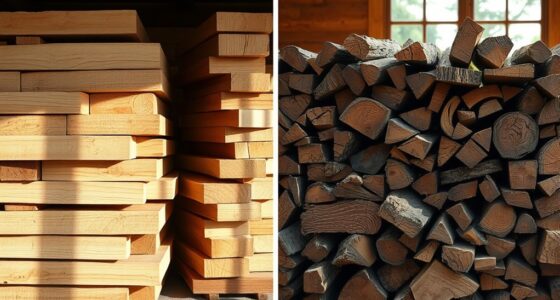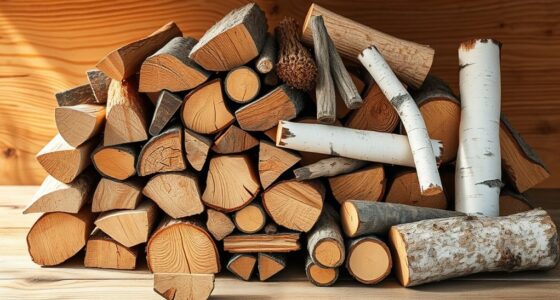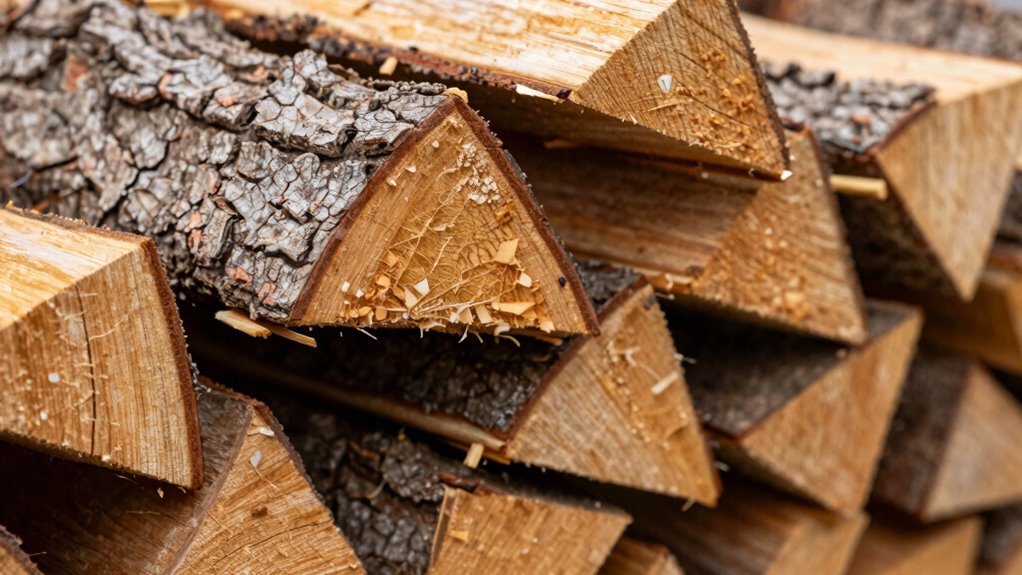

To tell if last year’s firewood is ready, check its appearance, feel, and sound. Properly seasoned wood will look dry with a dull surface and cracked ends. It should feel lightweight and dry when you pick it up. Plus, knocking two pieces together should produce a sharp, crisp sound rather than a dull thud. If you want to get the most out of your firewood, there’s more to take into account—keep exploring to find out!

Get backup power and energy gear delivered free with Prime
- Fast, free delivery on millions of items
- Prime Video, Amazon Music and more included
- Member-only deals all year
Key Takeaways
- Check if the wood feels dry and lightweight when handled.
- Inspect for visible cracks or splits at the ends of the logs.
- Knock pieces together; a sharp, cracking sound indicates dryness.
- Look for a dull, matte surface and absence of shiny, wet-looking areas.
- Use a moisture meter to confirm moisture content is below 20%.
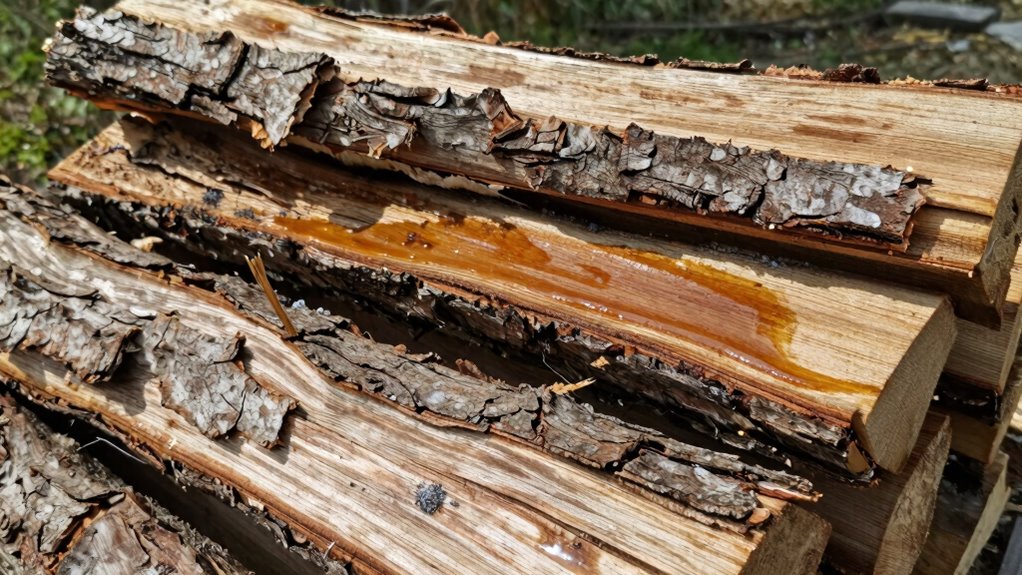
If you stored last year’s firewood properly, it should be ready to burn now, but knowing for sure requires a quick check. The most crucial factor to determine if your firewood is ready is its moisture content. Wood with high moisture content doesn’t burn efficiently and produces more smoke and creosote buildup, which can be hazardous over time. Ideally, firewood should have a moisture content below 20%, with seasoned wood generally falling between 15% and 20%. To get an accurate reading, you can use a moisture meter, which is a simple handheld device that provides instant results. If you don’t have a moisture meter, you can perform a simple visual and tactile inspection to get a good idea of its dryness.
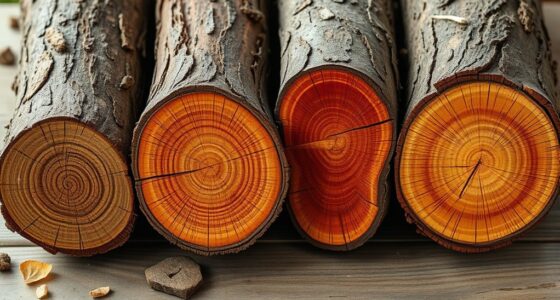
Start by examining the wood’s appearance. Properly stored firewood should look dry, with a dull, matte surface rather than a shiny or wet look. The ends of the logs should be cracked or split, indicating that the moisture has evaporated and the wood has seasoned. When you pick up a piece, it should feel lightweight and dry to the touch. If the wood feels damp or heavy, it’s likely still holding moisture and needs more time to dry out. You can also perform a simple sound test: knock two pieces together. If they produce a sharp, crisp sound, it’s a good sign that the wood is dry. A dull thud suggests moisture is still present. Proper storage conditions, such as stacking the wood in a way that promotes good airflow, are essential for drying the wood effectively; ventilation helps moisture escape and speeds up the seasoning process. Ensuring the wood is stored in a well-ventilated area can significantly improve its readiness for burning. Additionally, using seasoned firewood not only improves burning efficiency but also reduces environmental impact. Regularly checking the wood’s moisture content is the best way to confirm it’s ready for your fire.
As an affiliate, we earn on qualifying purchases.
Frequently Asked Questions
Can I Burn Firewood That’s Been Stored Outside All Winter?
Yes, you can burn firewood stored outside all winter, but make sure it’s properly seasoned first. Check the moisture content; ideally, it should be below 20%. Allow the wood to dry in indoor storage for a few days if needed, which helps it burn more efficiently and reduces smoke. Properly seasoned firewood burns cleaner and produces more heat, so always verify its dryness before using.
How Do I Identify Mold or Fungus on Firewood?
Imagine your firewood as a silent threat—mold growth and fungal contamination can hide on its surface. You’ll notice fuzzy, powdery, or greenish-white patches, often damp or slimy. To identify mold or fungus, look for unusual discoloration or musty odors. If you spot these signs, avoid burning that wood, as mold spores can cause health issues. Always inspect your firewood before using it to keep your home safe.
Is There a Difference Between Seasoned and Dried Firewood?
Seasoned firewood has undergone the seasoning process, meaning it’s been properly dried to reduce moisture content, while dried firewood is simply wood that’s been dried but might not have gone through the full seasoning process. You’ll notice seasoned wood has cracks in the ends and feels lighter, indicating it’s ready for burning. Proper wood drying guarantees better combustion, less smoke, and a hotter, cleaner fire.
How Long Can Firewood Safely Be Stored?
A word to the wise: firewood can be stored too long. Typically, if your wood’s moisture content drops below 20%, it stays good for about a year or two, depending on storage conditions. Keep it in a dry, well-ventilated place, and avoid direct contact with the ground. Proper storage duration and monitoring moisture levels guarantee your firewood burns efficiently and safely, saving you from surprises when you’re ready to light up.
What Signs Indicate the Firewood Has Pests or Insects?
You’ll notice wood borer signs, like small holes or tunnels, which indicate insect infestation. Look for sawdust or frass around the firewood, as these are common insect infestation indicators. If you see tiny insects crawling or flying around, that’s a clear sign pests are present. Addressing these signs early prevents pests from spreading and guarantees your firewood is safe to burn. Always inspect thoroughly before use.
Conclusion
Now that you know how to check if last year’s firewood is ready, you’re like a seasoned gardener tending to a prized plant. When the wood’s weight feels just right, and the bark’s snug fit reveals no moisture, it’s time to light that fire with confidence. Properly seasoned wood is your trusted ally, ready to burn clean and bright. Think of it as the perfectly tuned instrument in your cozy fireplace symphony.
Halloween Picks
halloween
As an affiliate, we earn on qualifying purchases.