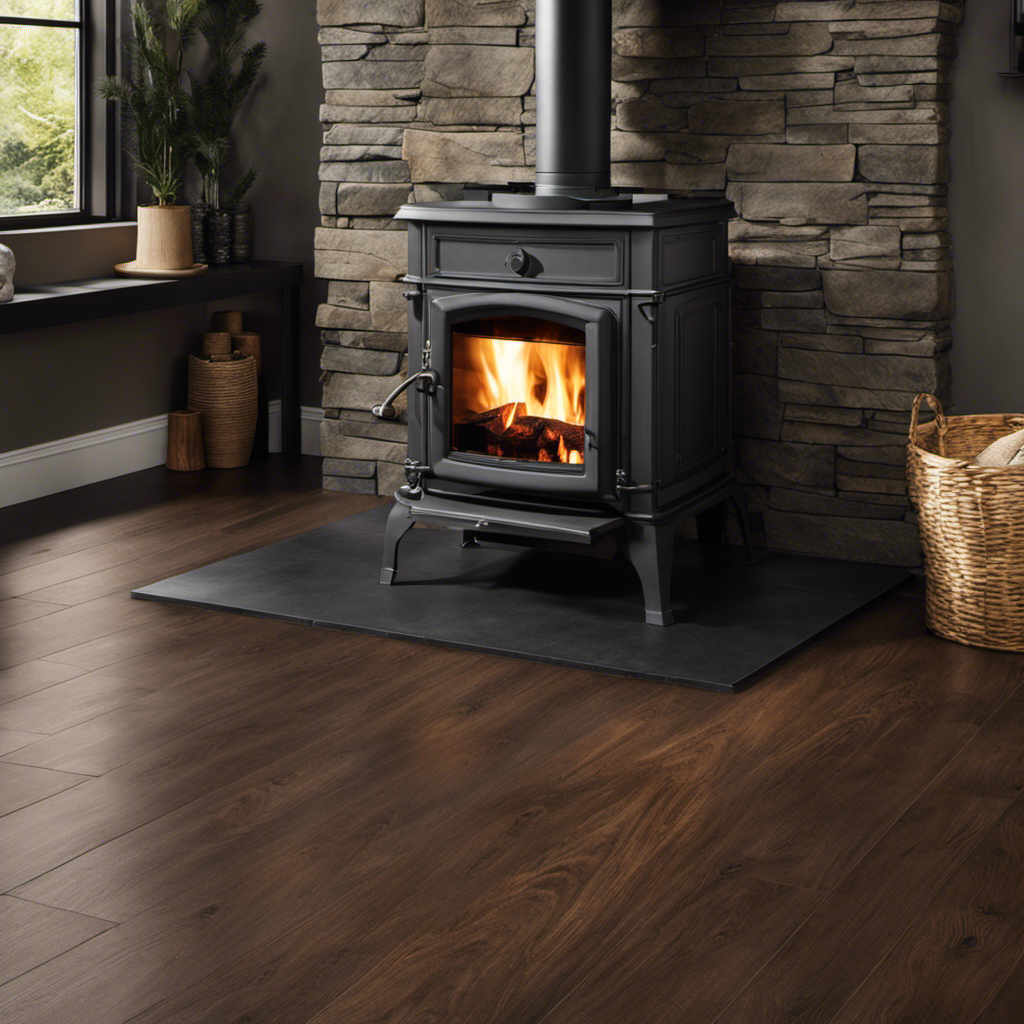
As someone who has a strong love for wood-burning stoves, I have discovered that maintaining a roaring fire is akin to caring for a living being. It demands careful attention and proper techniques.

Get backup power and energy gear delivered free with Prime
- Fast, free delivery on millions of items
- Prime Video, Amazon Music and more included
- Member-only deals all year
In this article, I’ll share my knowledge on how to choose the right wood, stack it efficiently, ignite a strong fire, and manage airflow for optimal heat output.
With regular maintenance and cleaning, your wood stove will keep you warm and cozy for years to come. Let’s dive in!
Key Takeaways
- Choosing hardwoods like oak, maple, and birch for slower burning and more heat production.
- Properly seasoning wood for efficient burning and reduced smoke.
- Storing wood in a dry, ventilated area to maintain low moisture content.
- Igniting and maintaining a strong fire with enough kindling and proper airflow.
hardwood firewood for wood stove
As an affiliate, we earn on qualifying purchases.
As an affiliate, we earn on qualifying purchases.
Choosing the Right Wood for Your Wood Stove
I’m always mindful of choosing the right wood for my wood stove to ensure it burns efficiently and keeps my home warm.
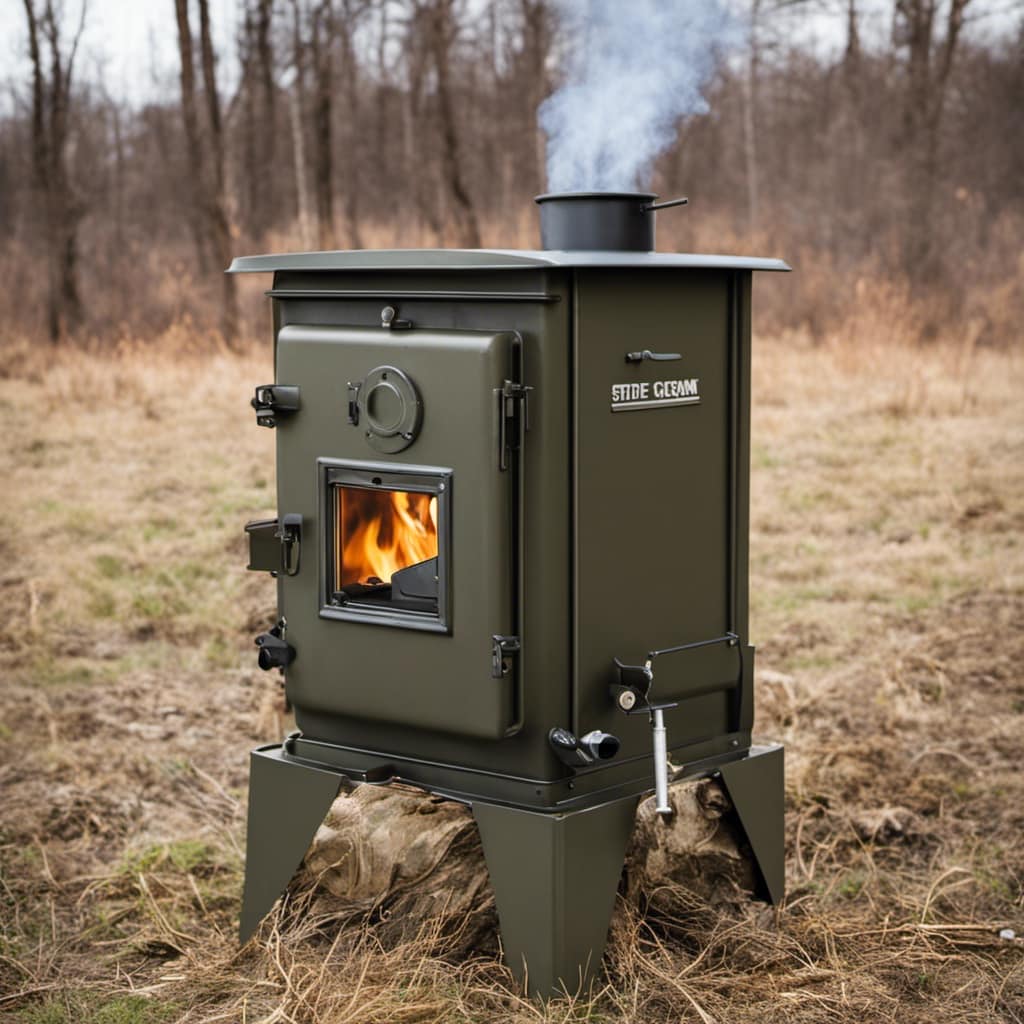
When it comes to selecting the right wood type, hardwoods such as oak, maple, and birch are excellent choices. They burn slower and produce more heat compared to softwoods like pine or fir.
It’s essential to use properly seasoned wood as well. Seasoning refers to the process of drying the wood to reduce its moisture content. Freshly cut wood contains a high moisture content, which can lead to inefficient burning and excessive smoke.
To season the wood properly, it should be split and stacked in a dry, well-ventilated area for at least six months. This allows the wood to dry out and reach an optimal moisture level of around 20%.
Preparing and Stacking the Wood for Efficient Burning
To achieve efficient burning, I ensure that I have enough seasoned wood and properly stack it in my wood stove. Proper wood storage is crucial to ensure that the firewood has low moisture content, which allows for cleaner and more efficient burning. I always make sure to store my firewood in a dry and well-ventilated area, such as a woodshed or covered storage rack. This helps to prevent the wood from absorbing moisture and ensures that it remains dry and ready to burn. Additionally, I use a moisture meter to check the moisture content of the firewood before stacking it in my wood stove. This ensures that I am using properly seasoned wood with a moisture content of around 20% or less, which is ideal for efficient burning.
| Tips for Proper Wood Storage | Benefits of Low Moisture Firewood |
|---|---|
| Store in a dry, ventilated area | Cleaner and more efficient burning |
| Cover the wood to protect it from rain and snow | Reduced creosote buildup |
| Stack the wood off the ground | Longer burn times |
| Rotate the wood to promote air circulation | Less smoke and emissions |
Igniting and Maintaining a Strong Fire in Your Wood Stove
One important step in igniting and maintaining a strong fire in your wood stove is to ensure that enough kindling is used. Kindling refers to small, dry pieces of wood that quickly catch fire and help ignite larger logs.
Before starting a fire, it’s crucial to follow fire safety precautions for wood stove usage. Make sure the stove is placed on a non-flammable surface, keep a fire extinguisher nearby, and never leave the stove unattended.
If you encounter issues with ignition or heat output, troubleshooting can help. Check for sufficient airflow by opening the damper or adjusting the air vents. Ensure that the wood is dry and properly seasoned to prevent smoky fires.
By managing airflow for optimal heat output, you can enjoy a cozy and efficient wood stove experience.
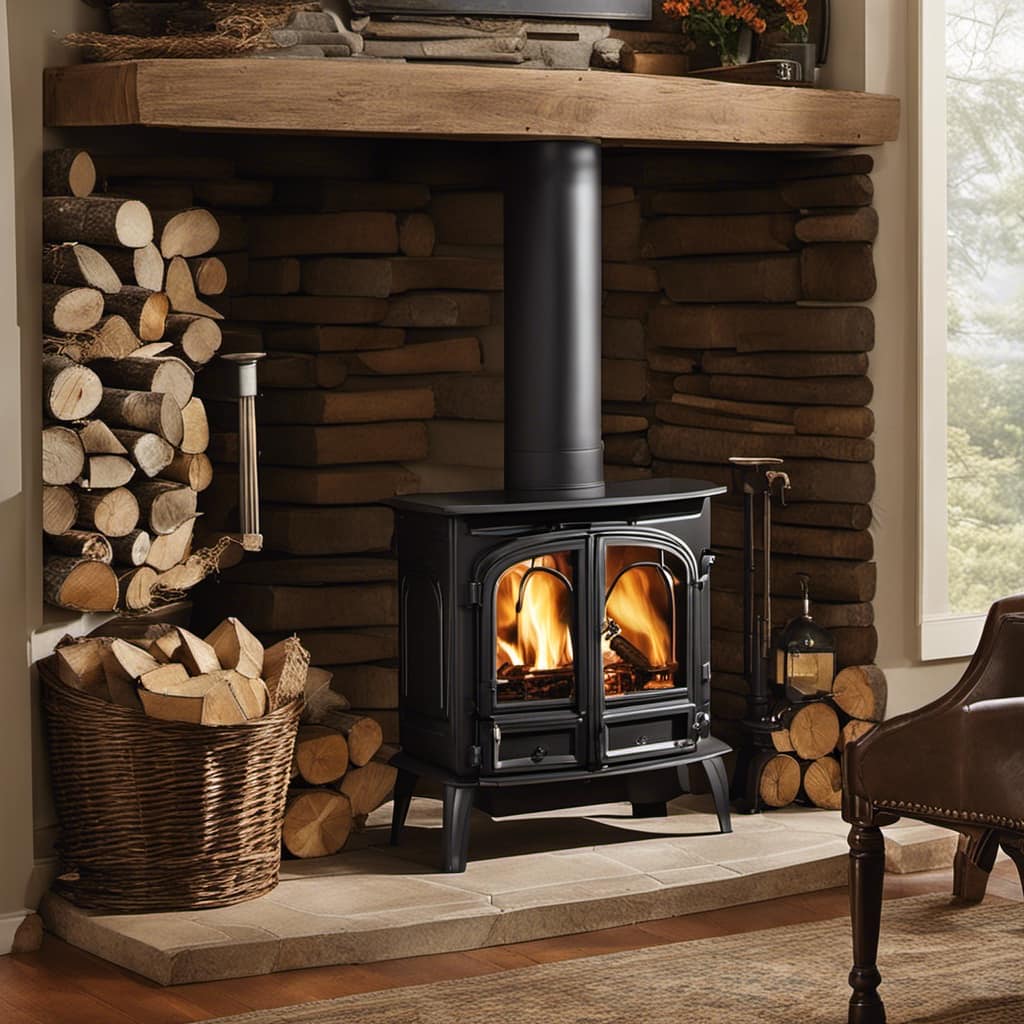
Now, let’s delve into the details of managing airflow for optimal heat output.
Managing Airflow for Optimal Heat Output
I can adjust the air vents to ensure that the wood stove is receiving the optimal airflow for maximum heat output. When managing the airflow in a wood stove, there are a few key factors to consider:
-
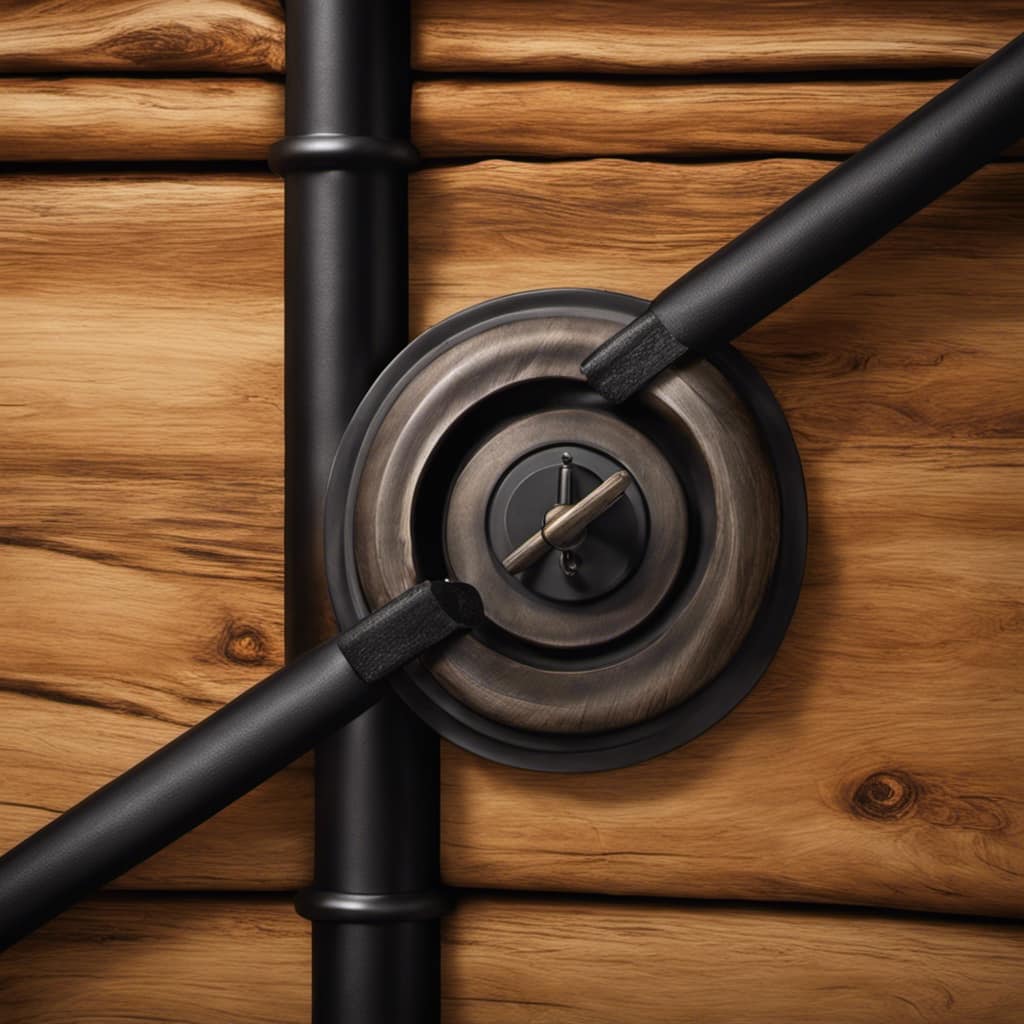
Adjusting damper settings: The damper controls the amount of air that enters the stove. By opening the damper fully, you allow more oxygen to feed the fire, resulting in a hotter burn. Conversely, closing the damper restricts airflow and slows down the burn, conserving fuel.
-
Using a heat resistant barrier: Placing a heat resistant barrier behind the wood stove can help improve heat distribution. This barrier reflects heat back into the room, preventing it from being absorbed by the wall. This ensures that more heat is radiated into the space, making it warmer and more comfortable.
Regular Maintenance and Cleaning for a Long-lasting Wood Stove
The key to ensuring a long-lasting wood stove is regular maintenance and cleaning, so that it continues to function efficiently and effectively. Proper maintenance not only extends the lifespan of the stove, but also helps maintain its performance.
One important aspect of maintenance is maintaining firewood quality. It’s crucial to use well-seasoned firewood that has been properly dried for at least six months. Wet or green wood not only produces less heat, but also creates excess smoke and can lead to creosote buildup in the chimney.
Another important aspect is troubleshooting common wood stove issues. These can include problems with the draft, such as smoke coming back into the room, or difficulty in starting or maintaining a fire. Regularly cleaning the stove, inspecting the chimney, and ensuring proper airflow can help address these issues and keep the wood stove burning hot for years to come.
Conclusion
So, there you have it folks. With these simple tips, you can keep your wood stove burning hotter than the sun.
Just remember to choose the right wood, stack it with precision, ignite it like a pro, and manage the airflow like a boss.
And don’t forget regular maintenance, because a wood stove is like a high-maintenance partner.
With a little patience and TLC, your wood stove will keep you warm and toasty for years to come. Good luck, and may your fire burn bright!
Halloween Picks
halloween
As an affiliate, we earn on qualifying purchases.