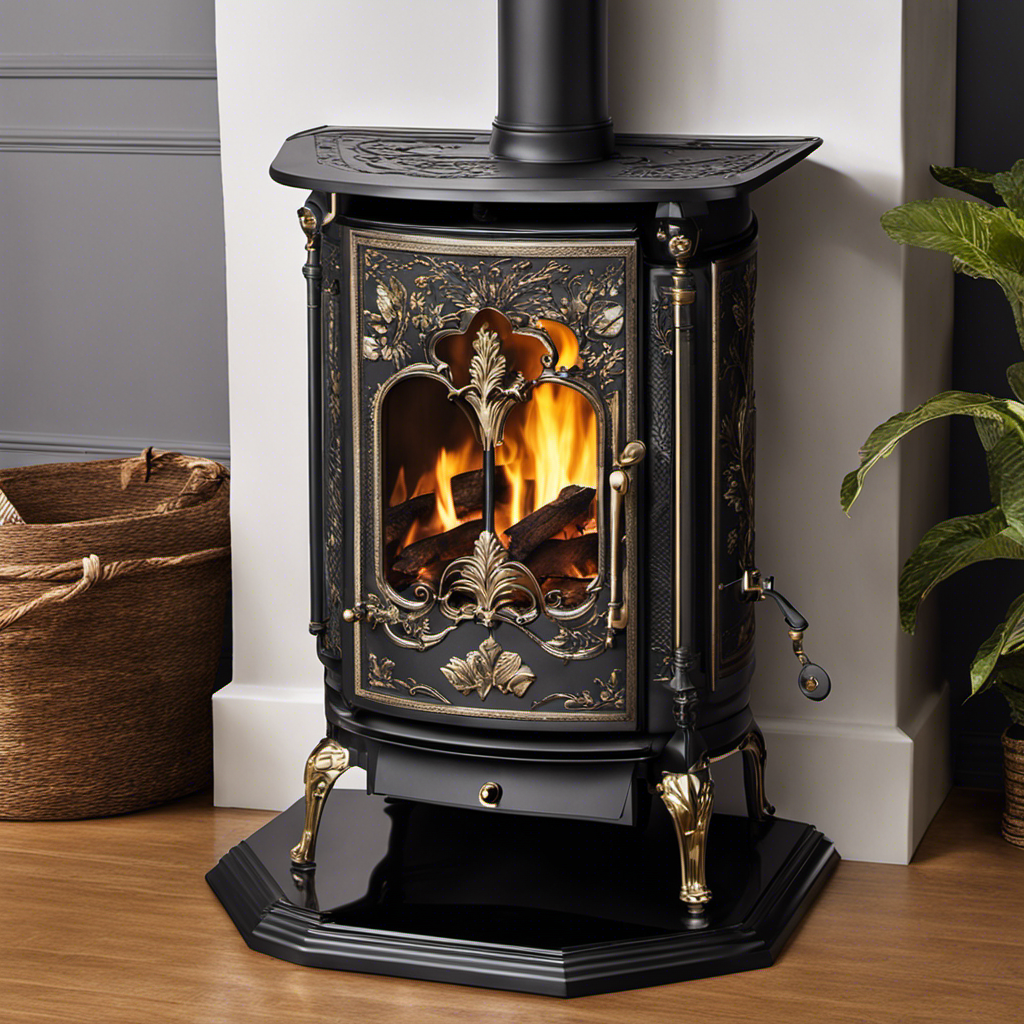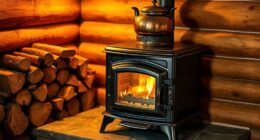
Understanding the heat output and BTU ratings of small stoves helps you choose the right size for your space. BTU measures how much heat a stove produces, and selecting the right rating guarantees efficient warmth without wasting energy or sacrificing safety. Too high a BTU for your room can cause overheating and safety issues, while too low might not keep you warm enough. To find out more about matching BTU ratings to your needs, keep exploring the details.
Key Takeaways
- BTU measures a stove’s heat production, indicating its suitability for specific room sizes.
- Matching BTU ratings to your room’s size ensures efficient heating without energy waste.
- Proper ventilation is crucial, especially for higher BTU stoves, to prevent dangerous gas buildup.
- Selecting a stove with appropriate BTU output enhances safety and compliance with fire codes.
- Overestimating or underestimating BTU needs can lead to inadequate heating or excessive energy use.

When choosing a small stove for your space, understanding its heat output and BTU ratings is essential. BTU, or British Thermal Unit, measures the amount of heat a stove can produce, which directly impacts its effectiveness in warming your area. Knowing this helps you select a stove that matches your room size, ensuring you get enough heat without wasting energy. For smaller spaces, a stove with a lower BTU rating might be sufficient, while larger rooms require higher outputs. It’s important to assess your space accurately and choose a stove that provides adequate but not excessive heat to maintain comfort and efficiency.
As you evaluate different models, keep in mind that heat output isn’t just about raw numbers; it also involves understanding the ventilation requirements. Proper ventilation is crucial because it ensures the safe operation of your stove by preventing the buildup of dangerous gases like carbon monoxide. Small stoves, especially those fueled by wood, gas, or pellets, need adequate airflow to operate safely. Check the manufacturer’s specifications to see what kind of ventilation setup is recommended. Some stoves may require vent pipes, chimneys, or exhaust fans to safely expel fumes outside. Ignoring ventilation needs can lead to dangerous situations, so always prioritize correct installation and adequate airflow when setting up your stove.
Safety precautions are equally vital when dealing with heat output and ventilation. Never underestimate the importance of following safety guidelines—this includes installing smoke and carbon monoxide detectors nearby, especially if your stove burns fuel. Keep combustibles away from the stove’s heat source, and ensure there’s enough clearance around the appliance according to the manufacturer’s instructions. When you understand your stove’s BTU ratings, you can better determine whether your space requires additional safety measures or ventilation upgrades. Remember, a stove with higher BTU ratings generates more heat but also produces more exhaust gases, making proper ventilation even more critical. Additionally, understanding fire safety and building codes can help prevent accidents and ensure compliance with local regulations.
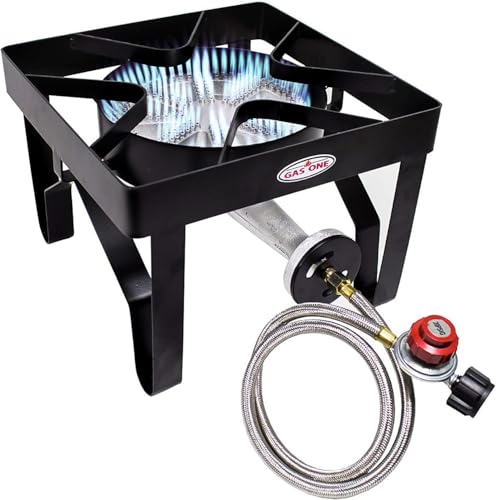
GasOne 200K BTU Propane Burner – Heavy-Duty Propane Stove – Outdoor Burner with Adjustable 0-20Psi Regulator and Steel Braided Hose – Ideal for Home Brewing, Turkey Fry
A Professional Choice: If you love outdoor cooking, it’s time to make it even more enjoyable and fun…
As an affiliate, we earn on qualifying purchases.
As an affiliate, we earn on qualifying purchases.
Frequently Asked Questions
How Do Altitude and Humidity Affect Stove Heat Output?
Altitude effects can reduce your stove’s heat output because thinner air means less oxygen for combustion. Humidity impact also plays a role; high moisture levels can hinder efficient burning, making your stove less effective. You might notice it takes longer to warm up or doesn’t produce as much heat. To get the best performance, adjust your stove or fuel for altitude and humidity conditions, ensuring ideal heat output wherever you’re camping or living.
Can Small Stoves’ BTU Ratings Be Misleading?
Yes, small stoves’ BTU ratings can be misleading. They often don’t account for factors like stove size, which affects heat distribution, or fuel consumption efficiency. A higher BTU doesn’t always mean better heating if the stove is too small or consumes too much fuel. Always consider real-world performance and how the stove’s size and fuel use align with your heating needs to get an accurate idea.
What Safety Precautions Are Needed for High BTU Small Stoves?
You should prioritize ventilation safety and fire prevention when using high BTU small stoves. Make certain of proper installation by following manufacturer guidelines and keeping the area well-ventilated to prevent dangerous buildup of fumes. Regularly inspect the stove and chimney for blockages or damage, and keep flammable materials away from the stove. Using a carbon monoxide detector adds extra safety, helping you stay aware of potential hazards.
How Does Stove Efficiency Relate to BTU Ratings?
Stove efficiency directly impacts how well your stove converts fuel into heat transfer. Higher efficiency means less fuel consumption for the same heat output, making it more cost-effective. When your stove has a high BTU rating, a more efficient model ensures you get maximum heat transfer without wasting fuel. This balance helps you save money and maintain consistent warmth, especially in colder environments.
Are There Environmental Impacts of High BTU Small Stoves?
Imagine using a high-BTU small stove in a rural home; it can increase emission levels, raising environmental concerns. Higher heat output often leads to greater pollutant emissions, impacting air quality and contributing to climate change. You might see increased particulate matter and greenhouse gases, which harm ecosystems and human health. So, while powerful, these stoves demand careful consideration of their environmental impacts and emission levels before use.
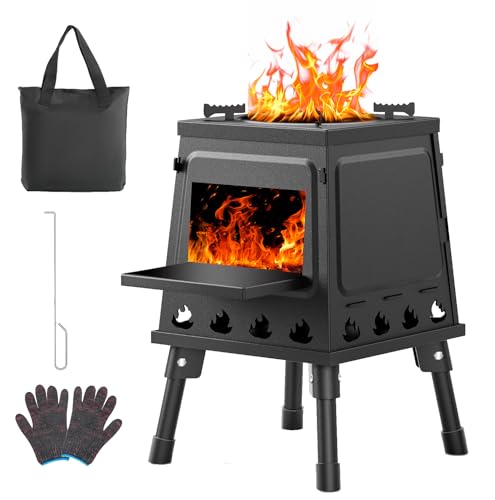
GVUHR Portable Wood Burning Stove – Lightweight Cast Iron Camp Stove for Backpacking,A Small Size 8.9in * 8.9in * 8.7in Backpacking Camping Stove Kit (Black, Small)
【Outdoor Portability】 Our picnic stove can be easily disassembled and placed in a matching backpack (easy to disassemble),…
As an affiliate, we earn on qualifying purchases.
As an affiliate, we earn on qualifying purchases.
Conclusion
Now that you understand how heat output and BTU ratings work, you’re better equipped to choose the right small stove for your space. Remember, a higher BTU isn’t always better—it depends on your needs. Can you picture cozying up by a stove that perfectly balances warmth and efficiency? Keep these insights in mind, and you’ll find the ideal stove to make your space comfortably inviting. Isn’t it time to heat things up the smart way?
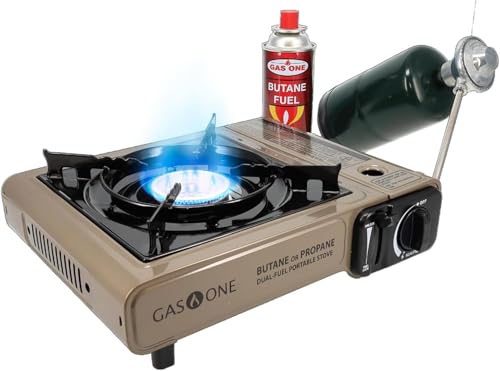
Gas One GS-3400P Propane or Butane Stove Dual Fuel Stove Portable Camping Stove – Patented – with Carrying Case Great for Emergency Preparedness Kit
Duel Fuel – Compatible With Both Butane (Fuel Not Included) And Propane Fuel (Fuel Not Included), Operates On…
As an affiliate, we earn on qualifying purchases.
As an affiliate, we earn on qualifying purchases.

Mr. Heater Small Pellet Stove – 24lb Hopper
Built-in WiFi – Smart Home Technology
As an affiliate, we earn on qualifying purchases.
As an affiliate, we earn on qualifying purchases.