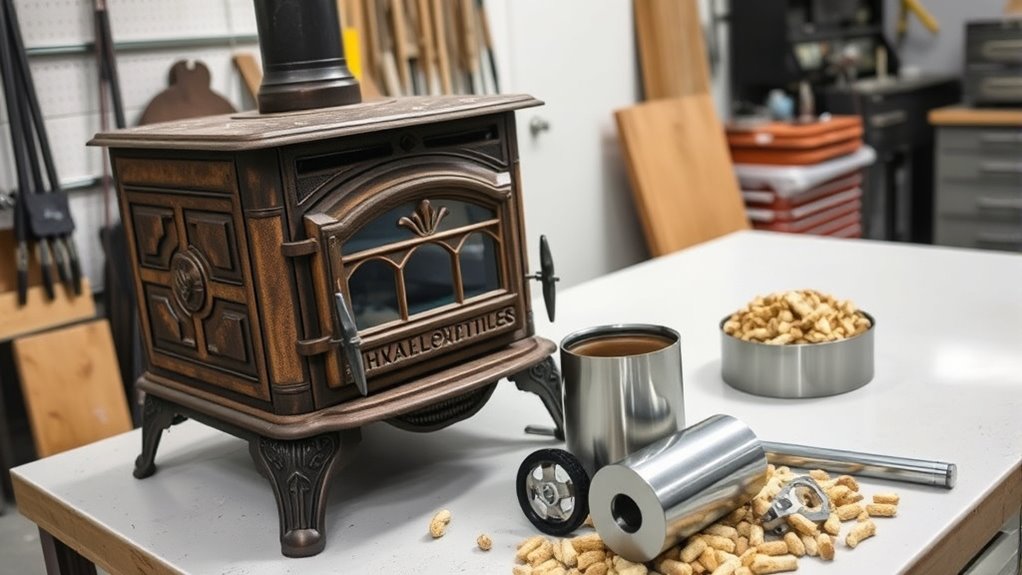

Converting your traditional stove to burn pellets involves installing specialized equipment like a pellet hopper, venting system, and possibly electrical wiring. You’ll need to verify your existing chimney or venting setup can handle the new system, and professional help might be necessary for safe, proper installation. This conversion offers cleaner, more efficient heat and lower ongoing fuel costs. If you’re interested in understanding the detailed steps and considerations, there’s more to explore.
Key Takeaways
- Converting involves installing a pellet hopper, venting system, and possibly electrical wiring for proper operation.
- Existing chimneys or vents may need modifications to meet safety and efficiency standards.
- Professional installation ensures safety, proper venting, and adherence to local codes.
- Conversion offers benefits like cleaner, more efficient heat and lower fuel costs over time.
- Initial costs are higher but offset by long-term savings and environmental benefits.
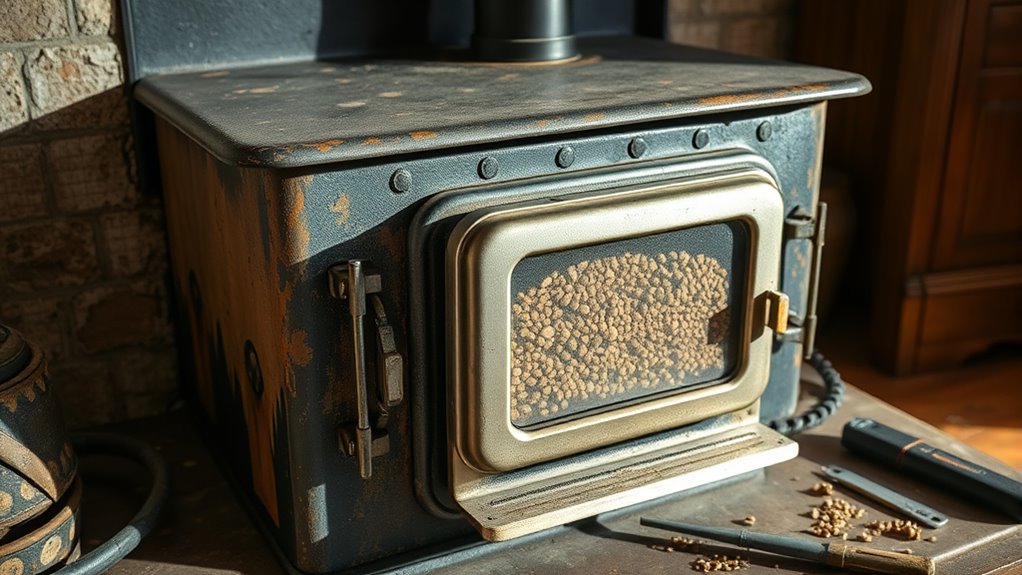
Switching from traditional stoves to pellet-burning models can be a smart move for those looking to improve efficiency and reduce emissions. Pellet stoves are known for their high fuel efficiency, meaning you get more heat output from less fuel. Unlike wood or gas stoves, pellet models burn compressed biomass pellets that produce cleaner, more consistent heat. This translates into lower fuel consumption over time, which can save you money in the long run. However, before making the switch, you should contemplate the installation costs involved. Converting a traditional stove isn’t just about swapping out the appliance; it often requires additional equipment, such as a pellet hopper, venting systems, and sometimes electrical wiring. These setup expenses can vary widely depending on your existing setup and the complexity of the conversion, so it’s important to budget accordingly.
When evaluating the costs, it’s wise to think beyond just the initial investment. While pellet stoves tend to have higher upfront installation costs compared to traditional wood or gas stoves, their superior fuel efficiency can offset these expenses over time. Because you’ll need fewer pellets for the same amount of heat, your ongoing fuel expenses decrease, making the conversion more economical in the long run. Plus, pellet stoves are generally easier to operate and maintain, which can save you both time and money on upkeep.
Another factor to consider is the compatibility of your current chimney or venting system. Converting a traditional stove that uses open flames or other fuels may require modifications to ensure proper venting and safety compliance. Installing a pellet stove often involves installing a dedicated venting pipe that directs emissions outside efficiently. This process can add to the initial costs, but it’s essential for safe, effective operation. In some cases, you might need professional help to handle the installation, especially if electrical wiring or structural modifications are necessary. Additionally, safe venting practices are crucial to prevent potential hazards and ensure compliance with local regulations.
Despite the installation costs, many homeowners find that the benefits outweigh the initial investment. Pellet stoves offer consistent heat, cleaner combustion, and reduced emissions, making them a more environmentally friendly choice. The improved fuel efficiency means you use less fuel overall, which is good for your budget and the planet. If you’re willing to invest upfront and ensure proper installation, converting your traditional stove to a pellet-burning model can be a practical, eco-friendly upgrade that pays off over time.

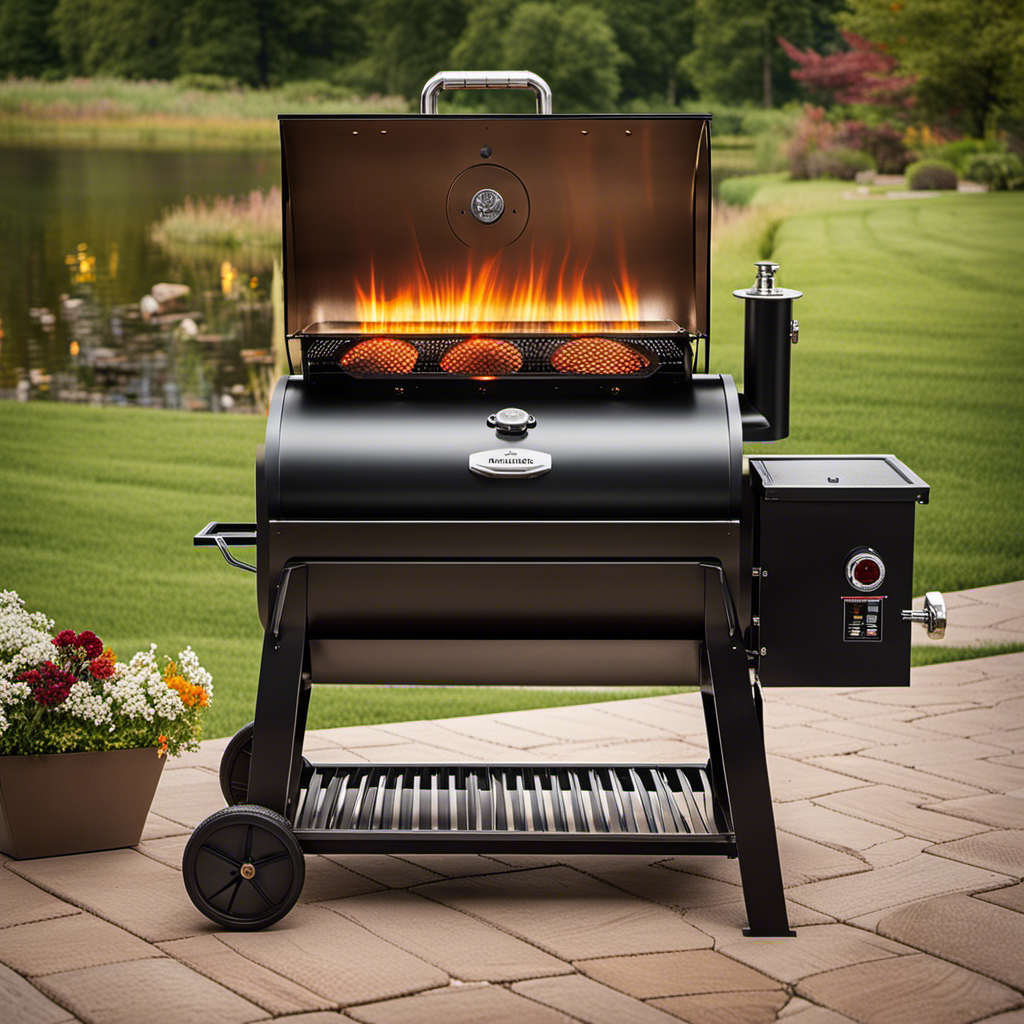
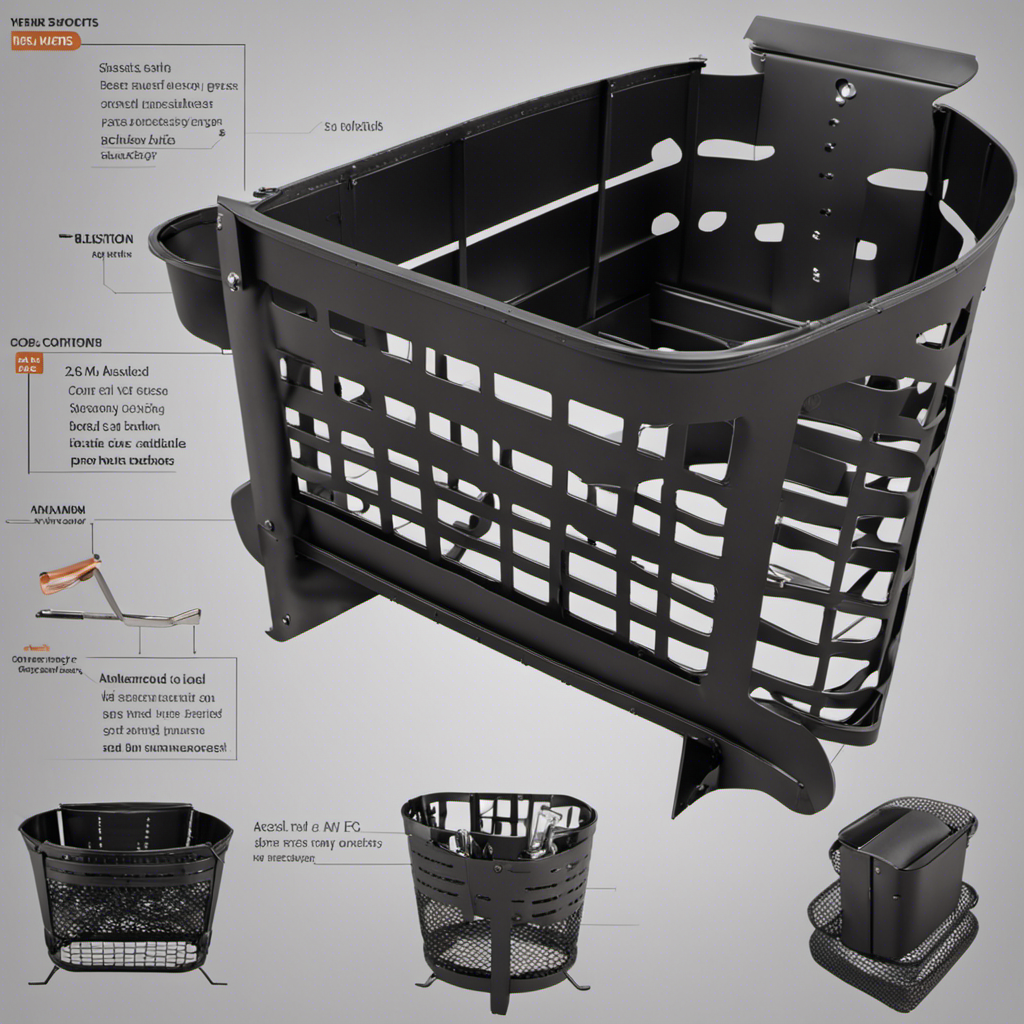
Pellet Grill Hopper, 250W 120V 180℉- 500℉ Adjustment Pellet Hopper Extension Pellet Hopper Assembly Kit Conversion Kit Digital Temperature Controller for BBQ, Bake, Roast, Braise, Grill
【Durable】:Iron shell is treated by spraying paint, iron fire bowl is treated by stamping molding and antirust oil…
As an affiliate, we earn on qualifying purchases.
As an affiliate, we earn on qualifying purchases.
Frequently Asked Questions
Can I Convert Any Type of Traditional Stove to Pellet Burning?
You can’t convert any traditional stove to pellet burning without checking stove compatibility first. Some stoves are designed for wood or coal and aren’t suitable for DIY conversion. You need to verify if your stove allows for a DIY conversion kit and if it’s compatible with pellet burning. If it’s compatible, you can proceed with the conversion; otherwise, it’s best to consult a professional to avoid safety risks.
What Safety Precautions Should I Take During Conversion?
During conversion, you should prioritize ventilation requirements to prevent dangerous buildup of fumes or dust. Guarantee your workspace is well-ventilated and wear appropriate respiratory protection. Always handle chemicals safely by reading labels and using gloves, especially when dealing with adhesives or cleaning agents. Double-check all safety features on your stove, keep a fire extinguisher nearby, and follow manufacturer instructions carefully to prevent accidents and ensure a safe conversion process.
How Much Does a Pellet Conversion Kit Typically Cost?
Think of the pellet conversion kit as a bridge to warmth and savings. Typically, it costs between $300 and $700, depending on your stove model and features. You’ll find the installation process straightforward if you follow the included instructions, but it’s wise to compare costs and features beforehand. This investment can save you money long-term, making your stove more efficient and eco-friendly.
Do I Need Professional Help to Convert My Stove?
You don’t necessarily need professional help to convert your stove, but it depends on your DIY skills and comfort level. If you’re handy, you can handle the conversion kit yourself, following detailed instructions. However, for safety and peak performance, professional installation is recommended, especially if you’re unsure about the process or want to ensure code compliance. Weigh your DIY considerations carefully before deciding on the best route.
Will Converting Affect My Stove’s Warranty?
Converting your stove can affect your warranty implications, as many manufacturers specify that modifications may void coverage. You should check your stove’s warranty terms before proceeding, since conversion risks include potential damage or safety issues that could lead to costly repairs. If you’re unsure, consult a professional to guarantee the conversion is done correctly, reducing the risk of voiding your warranty and maintaining safety standards.

Outdoor Camping Stove Accessory Pellet Bin with Burner for Tent Stove (Black)
Durable Construction: This outdoor camping stove accessory features a sturdy metal design built to withstand rugged use in…
As an affiliate, we earn on qualifying purchases.
As an affiliate, we earn on qualifying purchases.
Conclusion
So, here you are, saving money and the environment by converting your traditional stove to burn pellets—only to realize that all those new pellets come from somewhere, often less eco-friendly than you’d hoped. Ironically, your effort to go greener might just shift the footprint elsewhere. But hey, at least you’re doing something, right? Sometimes, even the best intentions come with a little unintended irony. Still, it’s a step forward—however small or complicated that step may be.

Duravent 3 Inch PelletVent Stainless Steel Double Wall Vent Pipe Kit – Pellet Stove Exhaust for Indoor Heater, Horizontal Venting System with Cleanout Tee Cap
Complete Horizontal Vent Kit: Includes five 12-inch pipes, 90-degree elbow tee, cleanout tee with cap, appliance adapter, wall…
As an affiliate, we earn on qualifying purchases.
As an affiliate, we earn on qualifying purchases.

Pellet Stove Fresh Air Intake Kit, 2"x 60" Pellet Stove Pipe Outside Cold Air Intake Kit for Corn Wood Furnace w/Aluminum Flex Vent Pipe,External Wall Vent Rain Cover & Screw Hose Clamps
Improve Pellet Stove Efficiency: Pellet stove fresh air intake kit allow outside fresh air into Pellet stove furnace…
As an affiliate, we earn on qualifying purchases.
As an affiliate, we earn on qualifying purchases.