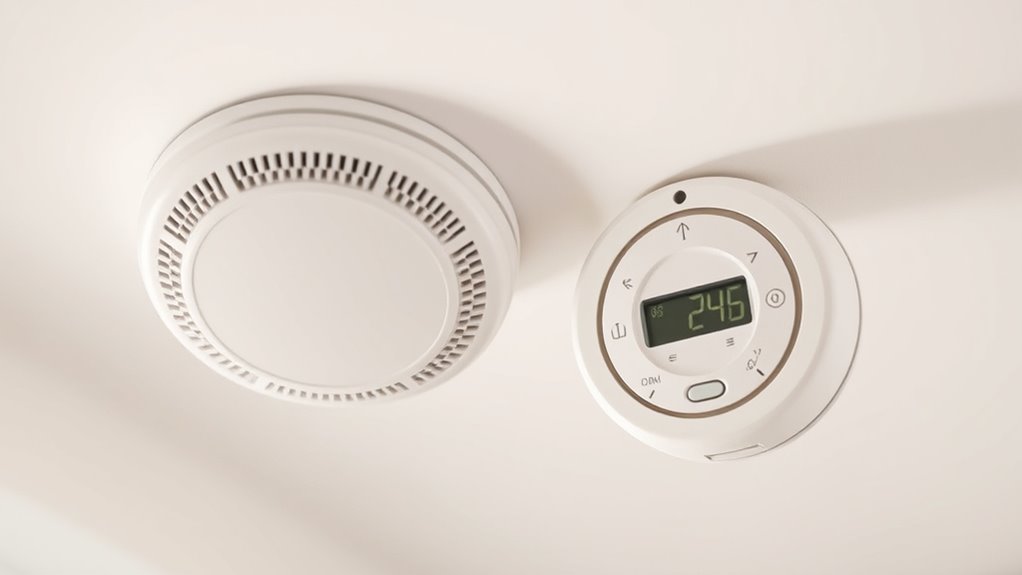

To keep your home safe, install smoke alarms on every level, especially near bedrooms and hallways, and keep them at least 10 feet from cooking areas to prevent false alarms. Place carbon monoxide detectors outside sleeping areas and on all levels, including the basement, at least 15 feet from fuel-burning appliances. Regularly test, clean, and replace your devices as recommended to guarantee they work when it matters most. If you’d like to learn more about proper placement and maintenance, keep going.

Get backup power and energy gear delivered free with Prime
- Fast, free delivery on millions of items
- Prime Video, Amazon Music and more included
- Member-only deals all year
Key Takeaways
- Install smoke alarms on every home level, especially in bedrooms, hallways, and common areas, and keep them at least 10 feet from cooking appliances.
- Place carbon monoxide detectors outside sleeping areas and on each level, mounted at eye level or slightly below to ensure accurate detection.
- Test smoke and CO alarms monthly, replace batteries annually, and replace units every 10 years for smoke alarms and 5-7 years for CO detectors.
- Maintain proper placement by avoiding drafts, humid areas, vents, and windows to prevent false alarms and sensor interference.
- Follow manufacturer instructions for installation, use mounting brackets securely, and regularly clean sensors to ensure reliable operation.
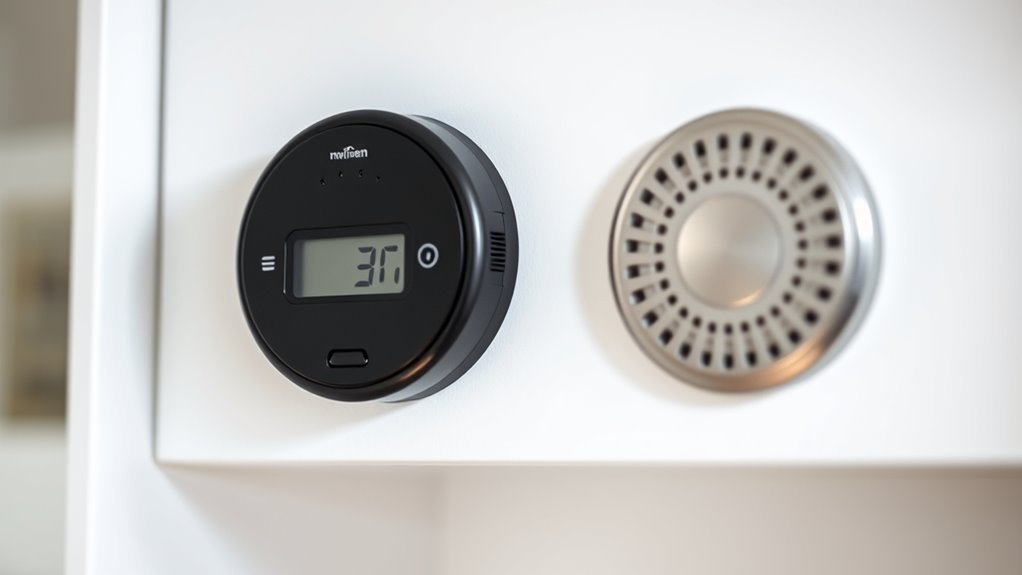
Both carbon monoxide detectors and smoke alarms are essential safety devices that protect you and your family from unseen dangers in your home. Proper installation and regular maintenance are key to guaranteeing they work effectively when you need them most. When installing these devices, start by choosing the right locations. Smoke alarms should be placed on every level of your home, especially in common areas, bedrooms, and hallways. Keep them at least 10 feet away from cooking appliances to minimize false alarms. Carbon monoxide detectors, on the other hand, should be installed outside sleeping areas and on every level, including the basement. Mount them at least 15 feet away from fuel-burning appliances to prevent false readings but not too close, as they need to detect rising CO levels.
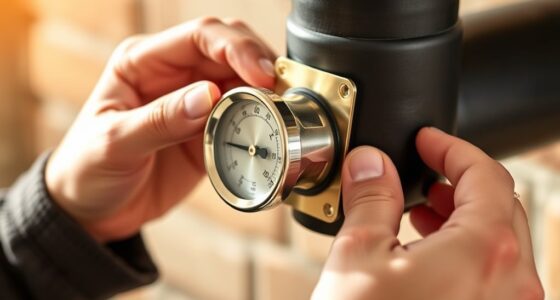
Installation tips are straightforward if you follow the manufacturer’s instructions carefully. Use mounting brackets and ensure the devices are secure on the wall or ceiling. For smoke alarms, ceiling installation is preferred because smoke rises; if you must install on a wall, do so 4 to 12 inches below the ceiling. For carbon monoxide detectors, wall mounting at eye level or slightly below is crucial to detect CO effectively. Avoid installing these devices near windows, vents, or doors where drafts can interfere with their sensors. Also, steer clear of humid areas like bathrooms, as moisture can cause false alarms or damage the sensors.
Maintaining your detectors is just as important as their initial installation. Regular testing should be part of your routine—press the test button monthly to ensure they’re functioning properly. Replace the batteries at least once a year or sooner if they begin to chirp, signaling low power. Many modern devices come with sealed batteries that last 5 to 10 years; check the manufacturer’s recommendations for replacement timelines. Clean your alarms by gently vacuuming around the sensors every six months to remove dust and debris that can impair performance. Additionally, replace smoke alarms every 10 years and carbon monoxide detectors every 5 to 7 years, regardless of their appearance or functionality. Keeping these devices in top shape ensures they can alert you promptly in an emergency, providing peace of mind. Regularly monitoring the sensor technology in your detectors can improve their reliability over time.
As an affiliate, we earn on qualifying purchases.
Frequently Asked Questions
How Often Should Carbon Monoxide Detectors Be Replaced?
You should replace your carbon monoxide detector every 5 to 7 years. Regularly check the battery and replace it as needed to guarantee proper functioning. Proper detector placement is vital—install them on every level and near sleeping areas. Test the detector monthly and keep it free of dust. Replacing it on schedule and maintaining the batteries helps you stay protected and makes certain your detector works when you need it most.
Can Smoke Alarms Be Interconnected Wirelessly?
Yes, smoke alarms can be interconnected wirelessly. Wireless interconnection allows alarms to communicate with each other, enabling alarm synchronization across multiple devices. When one alarm detects smoke, all alarms in the network sound, providing faster alerts and increased safety. You simply need to install compatible wireless smoke alarms and set up the system according to the manufacturer’s instructions, ensuring your home has extensive coverage without the hassle of wiring.
Are Combination Detectors More Reliable Than Separate Units?
Combination detectors are generally more reliable because they reduce the chances of missed alarms, especially if you place them in key areas like bedrooms and hallways. About 60% of smoke or CO-related fatalities happen in homes with missing or non-functional alarms. When choosing, consider battery life and proper installation location to guarantee these units work effectively. Combining functions simplifies maintenance and boosts safety, making your home better protected.
What Is the Lifespan of a Typical Smoke Alarm?
A typical smoke alarm lasts about 8 to 10 years. You should regularly check its battery life and perform alarm maintenance to guarantee it functions properly. Replace the unit once it reaches its lifespan, even if it still sounds. Keep the sensors clean and test it monthly to stay protected. Proper maintenance and timely replacement help keep your home safe from smoke and fire hazards.
Do All Homes Require Both Smoke and Carbon Monoxide Detectors?
Think of your home safety like a well-tuned orchestra—you need both smoke and carbon monoxide detectors working in harmony. Most homes do require both to guarantee thorough protection. Regular detector maintenance is vital; neglecting it is like ignoring a broken instrument. Without these detectors, you risk missing early signs of danger, putting your family at risk. So, install and routinely check both to keep your home safe and sound.
Conclusion
Now that you know the importance of carbon monoxide detectors and smoke alarms, don’t wait to install them. They can be the difference between safety and tragedy. But what if the one device you rely on fails when you need it most? Stay vigilant, test regularly, and never assume. Because in a split second, everything can change—make sure you’re prepared before it’s too late. Your safety depends on it.
Halloween Picks
halloween
As an affiliate, we earn on qualifying purchases.