
The height and design of your chimney play vital roles in how well it drafts. A chimney that’s too short won’t create enough upward pressure, causing smoke to spill back into your home, while a well-designed, taller chimney improves airflow and combustion. Smooth interior surfaces, proper shape, and free of obstructions also boost performance. External factors like wind can influence draft, so balancing all these aspects guarantees safe, efficient venting. Keep going to discover key tips for optimizing your chimney’s performance.
Key Takeaways
- Proper chimney height ensures adequate upward airflow, creating a stronger draft for efficient combustion.
- Smooth, unobstructed interior surfaces reduce airflow resistance and turbulence, enhancing draft performance.
- External factors like wind and air pressure can influence chimney draft, especially in taller or poorly designed chimneys.
- Insufficient height or poor design can cause smoke spillage, soot buildup, and decreased ventilation efficiency.
- Balancing chimney height, design, and external conditions optimizes draft, safety, and overall fireplace or stove performance.
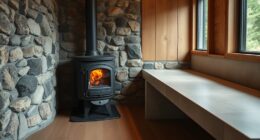
Have you ever wondered why your fireplace or stove doesn’t draw enough air? The answer often lies in how well your chimney’s height and design influence its performance. Proper ventilation efficiency is essential for a safe, efficient burn, and if your chimney isn’t optimized, you’ll notice poor airflow, smoke backdrafts, or even increased soot buildup. When a chimney isn’t properly designed, it struggles to create the necessary draft to pull air through your fire and vent smoke outside. This lack of proper airflow means that combustion isn’t as complete as it should be, leading to more soot settling inside the chimney and on your appliances. Over time, soot buildup can further hinder ventilation efficiency, creating a cycle of reduced draft and increased maintenance needs.
One of the biggest factors affecting chimney draft is height. If your chimney is too short, it may not reach the ideal height needed to create sufficient draft. Think of it like trying to push air through a straw—you need enough length to generate enough upward pressure. A chimney that’s too low doesn’t establish a strong enough upward airflow, causing smoke to spill back into the room and reducing overall ventilation efficiency. On the other hand, a chimney that’s excessively tall might seem like it would improve airflow, but it can actually create problems if it’s not properly engineered. Wind patterns and external air pressures can disturb the draft, making it inconsistent or even causing reverse flow. This is why the height must be balanced carefully, considering your local climate and building structure.
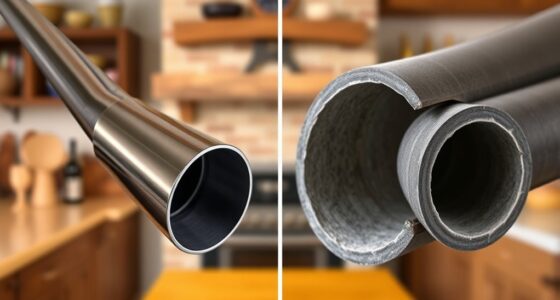
Design also plays a vital role. A well-constructed chimney with smooth interior surfaces allows for easier airflow, preventing turbulence that can slow down draft. Conversely, a chimney with irregular or rough surfaces increases resistance, making it harder for gases to rise and escape efficiently. The shape of the chimney’s cap and the presence of any obstructions further influence performance. If your chimney isn’t designed with proper venting principles in mind, it won’t draw air effectively, leading to poor combustion and soot buildup. Proper ventilation principles ensure optimal airflow, reducing the risk of smoke spillage and improving safety. This buildup can clog the chimney over time, decreasing the efficiency even more. Ensuring the chimney’s height and design are optimized for your specific setup is key to maintaining good draft, reducing soot accumulation, and keeping your fireplace or stove operating safely and efficiently.
Frequently Asked Questions
How Does Outdoor Wind Influence Chimney Draft Efficiency?
Outdoor wind considerably impacts your chimney draft efficiency by creating wind pressure that either helps or hinders airflow. When wind hits the chimney, airflow dynamics change, causing increased or decreased draft strength. Strong gusts can push air out of your chimney, reducing risk of smoke backdrafts, but excessive wind can also disrupt proper airflow, lowering efficiency. To optimize performance, consider windbreaks or chimney caps that manage outdoor wind effects.
Can Chimney Height Improvements Reduce Indoor Air Pollution?
Yes, increasing chimney height can improve indoor air quality by enhancing pollution mitigation. A taller chimney creates a stronger draft, effectively pulling smoke and pollutants away from your home. This reduces indoor air pollution, making the environment healthier. By optimizing chimney height and design, you guarantee better ventilation and cleaner indoor air, which benefits your health and overall comfort. Properly designed chimneys play an essential role in maintaining a safer living space.
How Does Chimney Material Affect Draft Performance Over Time?
A stitch in time saves nine, and choosing the right chimney material impacts draft consistency over time. Durable materials like stainless steel resist corrosion and maintain smooth airflow, ensuring steady draft performance. Conversely, cheaper materials may degrade, cause blockages, or uneven drafts. You should regularly inspect your chimney material’s condition, as it directly influences how well your chimney performs and how consistently it drafts, ultimately affecting your home’s safety and efficiency.
What Is the Ideal Chimney Height for Different Fuel Types?
You should aim for a chimney height of at least 3 feet above the roofline for wood and coal, as it enhances draft and fuel efficiency. For gas appliances, 2 to 3 feet often suffice. Taller chimneys help guarantee better draft, especially with denser fuels, leading to more complete combustion and improved fuel efficiency. Always consider local codes and consult professionals to optimize your chimney height for your specific fuel type.
How Do Local Building Codes Impact Chimney Height and Design?
You need to follow local building codes to guarantee chimney height and design meet safety and venting standards. These codes specify minimum and maximum heights, ensuring proper draft and preventing smoke or gases from entering your home. Ignoring building code compliance can lead to fines or safety hazards. Always check your local regulations before designing or modifying your chimney, and consult professionals to meet venting standards effectively.
Conclusion
In the end, a tall, well-designed chimney lets your fireplace breathe easily, drawing in fresh air and sending smoke soaring away. But if it’s too high or poorly crafted, even the best fire struggles to stay alive, fighting against the draft. Think of it as a delicate balance—like tuning an instrument. When height and design work together, your chimney performs flawlessly, giving you cozy warmth. Otherwise, it’s a battle you’re unlikely to win.