
If you’re choosing between cast iron and steel wood stoves, consider that cast iron heats slowly but retains heat longer, making it energy-efficient and ideal for steady warmth. It offers a classic, vintage look perfect for rustic interiors, but can crack under thermal shock. Steel stoves heat quickly, look sleek and modern, but may need more frequent wood loading. Understanding these differences helps you pick the best fit—stay tuned to explore more details.
Key Takeaways
- Cast iron stoves heat slowly, retain heat longer, and are energy-efficient, while steel stoves heat quickly but cool down faster.
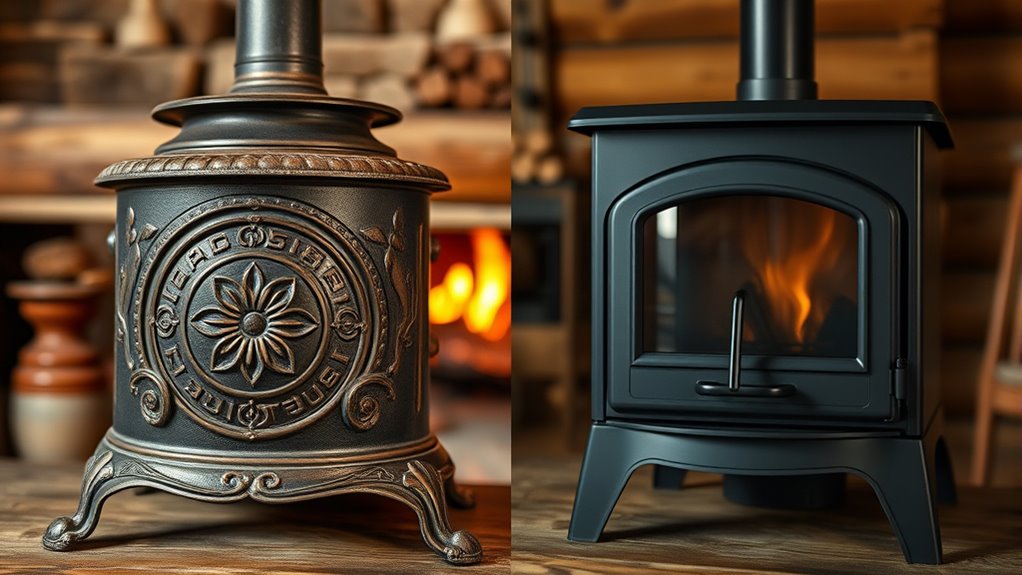
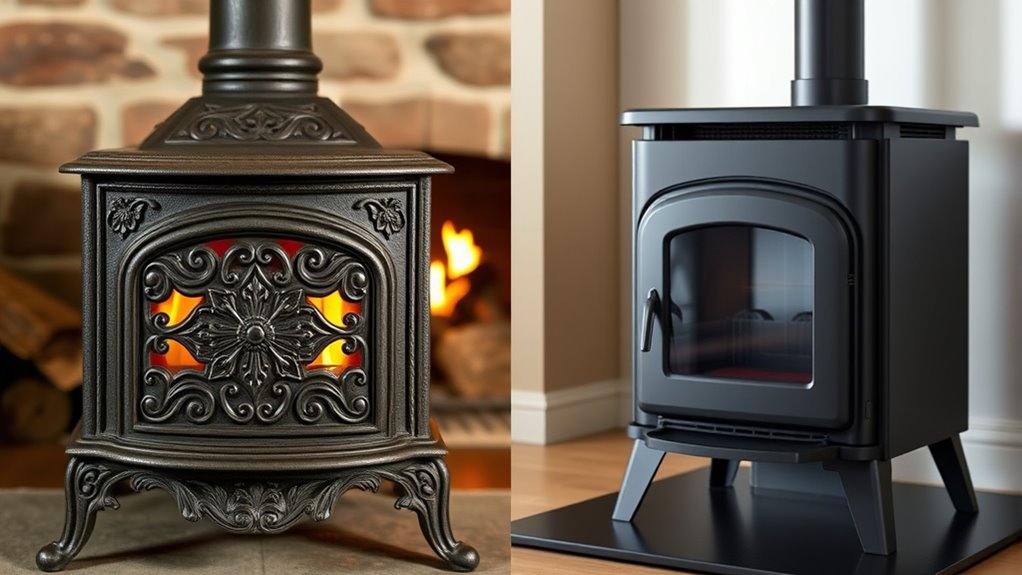
- Cast iron offers a vintage, ornate look suitable for traditional decor, whereas steel provides a sleek, modern appearance.
- Cast iron is highly durable but prone to cracking from thermal shocks; steel withstands rapid temperature changes better.
- Steel stoves are lighter and easier to move, while cast iron stoves are heavier and more stable.
- Both materials can be durable, but proper material choice depends on aesthetic preference and heating performance needs.
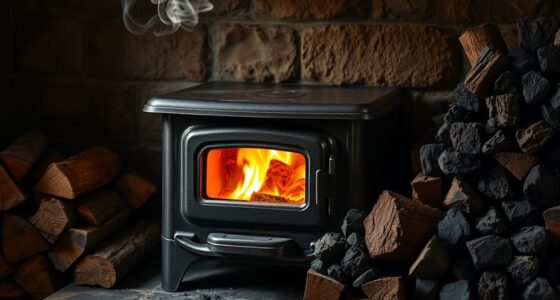
When choosing a wood stove for your home, understanding the differences between cast iron and steel options can help you make an informed decision. Both materials have unique qualities that influence performance, durability, and appearance, which are essential factors in selecting the right stove for your needs. One of the key aspects to consider is energy efficiency. Cast iron stoves tend to heat up more slowly but retain heat longer, providing a steady warmth even after the fire has died down. This means you often get better energy efficiency over time, as they radiate heat gradually and maintain consistent temperatures. Steel stoves, on the other hand, tend to heat up quickly and cool down faster. They can be more responsive to temperature adjustments but might require more frequent loading of wood to sustain heat. If you value a stove that maximizes energy efficiency by holding onto heat longer, cast iron could be the better choice. Additionally, the manufacturing process and material composition can influence how well each stove retains heat and resists corrosion over years of use.
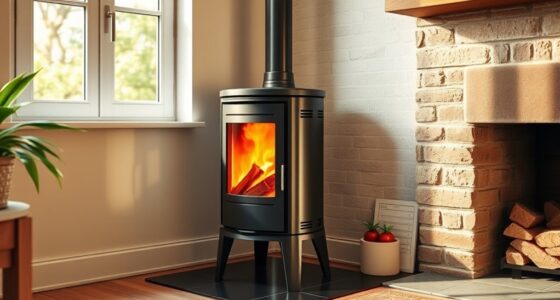
Aesthetic appeal is another important consideration. Cast iron stoves often feature intricate designs and a classic, vintage look that adds charm and character to traditional or rustic interiors. Their heavy, textured appearance can serve as a focal point in your living space, blending well with cozy, old-fashioned decor. Steel stoves, meanwhile, usually have a sleeker, more modern appearance with clean lines and smooth surfaces. They tend to look contemporary and minimalist, making them suitable for modern homes or spaces where a streamlined aesthetic is preferred. The choice largely depends on the style you want to achieve—whether you’re drawn to the timeless appeal of cast iron or the sleek, contemporary look of steel.
Durability is another aspect to weigh in your decision. Cast iron is incredibly durable and can withstand high temperatures over many years with minimal warping or cracking. However, it’s also more brittle and prone to cracking if subjected to sudden temperature changes. Steel stoves are more resilient in terms of withstanding rapid heating and cooling cycles, making them less likely to crack under stress. While steel may not have the same historic charm as cast iron, it offers excellent durability with less risk of damage from thermal shock. Moreover, material composition plays a crucial role in determining the longevity and performance of each type of stove.

US Stove Company Cast Iron Wood Stove with Cool Touch Safety Handle, Heats up to 54,000 BTUs
Capable of reaching temperatures up to 54,000 BTUs and heat up 900 square feet of surface
As an affiliate, we earn on qualifying purchases.
As an affiliate, we earn on qualifying purchases.
Frequently Asked Questions
Which Stove Type Is More Environmentally Friendly?
You’ll find that steel stoves are generally more environmentally friendly because they often have lower emission levels and better efficiency. Steel heats up faster, reducing fuel consumption and emissions, which minimizes your environmental impact. Cast iron stoves, while durable, tend to have higher emission levels due to their slower heat transfer. So, if your goal is to reduce your carbon footprint, a steel wood stove is the better choice.
How Do Maintenance Costs Compare Over Time?
You’ll find that maintenance costs for cast iron stoves tend to fluctuate less over time, thanks to their durability, but they may require less frequent repairs. Steel stoves might have higher repair frequency and more cost fluctuation due to metal fatigue or warping. Overall, cast iron stoves generally cost less to maintain long-term, though initial costs can be higher. Regular inspections and proper use help keep maintenance affordable.
Can Both Stoves Be Used for Cooking?
Yes, both cast iron and steel wood stoves can be used for cooking. For example, a homeowner used her steel stove’s flat top to prepare meals efficiently, demonstrating its cooking versatility. While steel stoves often heat up faster and are more fuel-efficient, cast iron stoves offer excellent heat retention for consistent cooking. So, depending on your needs, both stoves can serve as reliable cooking sources while providing warmth.
What Is the Typical Lifespan of Each Stove?
You can expect a cast iron stove to last around 25-30 years, thanks to its durability, but steel stoves often last 15-20 years because of their material longevity. The durability differences are significant; cast iron’s robustness often means a longer lifespan with proper maintenance. Steel stoves are lighter and may wear faster, but both can serve you well if cared for properly.
Are There Size Restrictions for Installation?
Think of installing your stove like fitting a puzzle piece—you need the right size and space. You must consider installation space and clearance requirements, which vary by stove type. For example, a compact model fits tighter spaces, while larger stoves need more room for safety. Check manufacturer guidelines and local codes to make certain your stove fits comfortably without compromising safety or efficiency.

KUNGKA Black Wood Burning Tent Stove, 7 Section Stainless Steel Chimney, Portable Hot Tent Stove for Camping, Hunting, Ice Fishing
【Unique Chimney Design】 The tent stove comes with 7 Stainless Steel sections of chimney pipes, reaching a height…
As an affiliate, we earn on qualifying purchases.
As an affiliate, we earn on qualifying purchases.
Conclusion
Choosing between cast iron and steel wood stoves is like picking between a sturdy oak and a swift river—each has its own charm. Cast iron, with its timeless strength, feels like a warm embrace that lasts for generations. Steel stoves, sleek and responsive, dance with fire’s rhythm, heating your space fast. Whichever you choose, remember, your stove becomes the heartbeat of your home—a cozy sanctuary where memories burn bright, like flames flickering in the night.

US Stove BSK2000 Barrel Camp Stove Kit
Conversion kit includes accessories needed to turn a 36 or 55 gallon steel barrel (sold separately) into a…
As an affiliate, we earn on qualifying purchases.
As an affiliate, we earn on qualifying purchases.
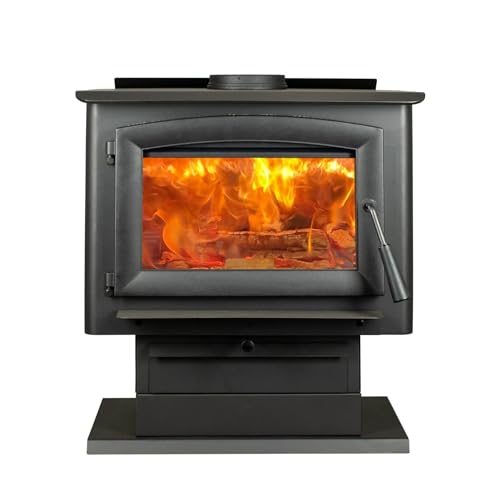
Vogelzang 2,000 Sq. Ft. Wood Stove
89,000 BTUs heats up to 2,000 square feet
As an affiliate, we earn on qualifying purchases.
As an affiliate, we earn on qualifying purchases.