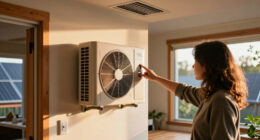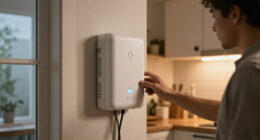
Before lighting your first fire, you should focus on safety measures like ensuring proper indoor ventilation, regular maintenance of fuel-burning appliances, and installing CO detectors on each level of your home. These steps help prevent dangerous carbon monoxide buildup and keep your family safe from the start. Proper use and ongoing safety education are equally important. Keep going to discover how these proactive steps set the foundation for ongoing safety and peace of mind.

Get backup power and energy gear delivered free with Prime
- Fast, free delivery on millions of items
- Prime Video, Amazon Music and more included
- Member-only deals all year
Key Takeaways
- Proper ventilation before lighting a fire prevents CO buildup from incomplete combustion.
- Regular maintenance ensures appliances operate efficiently, reducing CO emission risks from the start.
- Installing and testing CO detectors early provides immediate safety alerts when fires are first used.
- Educating household members on CO risks promotes safe practices before initiating any fuel-burning activity.
- Ensuring proper appliance use and placement minimizes the chance of dangerous CO leaks from the outset.
Carbon monoxide (CO) is a silent threat that can cause serious health problems or even death if not properly managed. Before you light that first fire or turn on heating equipment, it’s vital to understand that prevention begins long before you start using fuel-burning appliances. Proper indoor ventilation is your first line of defense. Guaranteeing good airflow throughout your home helps dissipate any accidental CO buildup. Keep windows slightly open when running appliances like space heaters or generators, especially in enclosed spaces. Good ventilation reduces the risk of dangerous CO concentrations accumulating unnoticed.
Ensure proper ventilation and keep windows slightly open when using fuel-burning appliances to prevent dangerous CO buildup.
Equally important is regular equipment maintenance. You need to schedule routine inspections for all fuel-burning appliances—furnaces, water heaters, fireplaces, and stoves. When these appliances are well-maintained, they operate efficiently, minimizing the chance of CO leaks. Neglecting maintenance can lead to incomplete combustion, which produces higher CO levels. For example, a dirty or malfunctioning furnace can release dangerous gases into your living space. Always have a qualified technician check your equipment annually and after any noticeable changes in performance or unusual odors. Proper maintenance not only keeps your appliances running efficiently but also prevents potentially deadly leaks. Additionally, understanding the importance of proper appliance use can help you avoid scenarios that lead to CO emissions, ensuring safe operation.
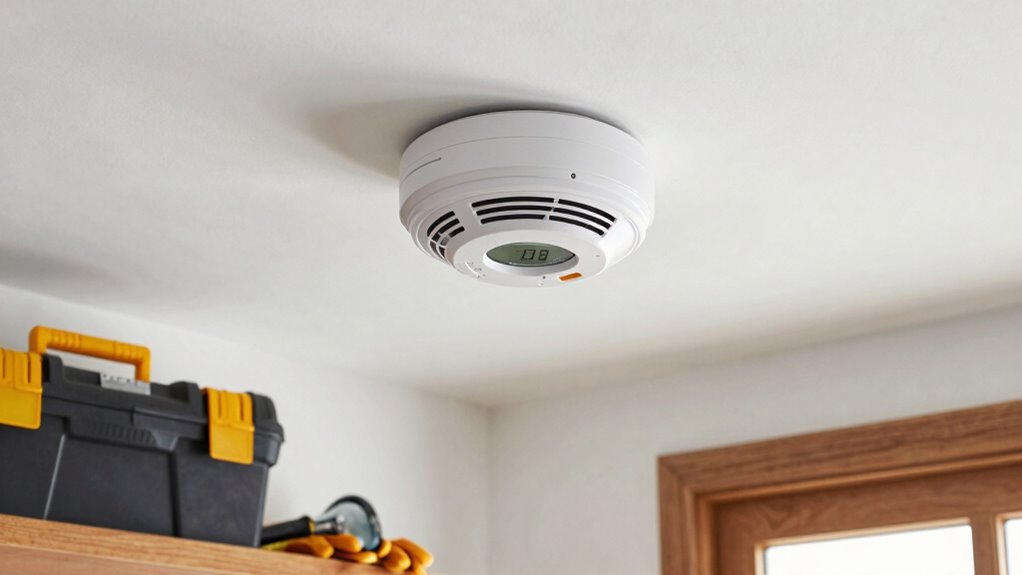
In addition to ventilation and maintenance, installing reliable CO detectors is vital. Place detectors on every level of your home, particularly near sleeping areas and fuel-burning appliances. Test these detectors monthly and change their batteries at least once a year. They serve as your early warning system, alerting you to dangerous CO levels before symptoms develop. Remember, CO is odorless and invisible—relying solely on your senses isn’t enough. Early detection can save lives. Ensuring your home has proper ventilation practices further enhances safety by preventing the buildup of harmful gases. Additionally, understanding the importance of carbon monoxide risks can also improve your overall safety awareness. Regularly educating yourself about CO safety tips helps you stay proactive in protecting your household.
Starting your heating season with proper ventilation, diligent equipment maintenance, and functioning CO detectors creates a safer environment for everyone. It’s a small investment that pays off by preventing potential tragedies. Taking these precautions before lighting the first fire guarantees you’re actively protecting your home and loved ones from the silent dangers of carbon monoxide.
carbon monoxide detector for home
As an affiliate, we earn on qualifying purchases.
As an affiliate, we earn on qualifying purchases.
Frequently Asked Questions
How Often Should Carbon Monoxide Detectors Be Tested?
You should test your carbon monoxide detectors at least once a month to guarantee they’re functioning properly. Regular detector maintenance includes pressing the test button and replacing batteries if needed. Make sure alarm placement is strategic—near sleeping areas and on every level of your home—so you’re alerted promptly. Doing this keeps your home safe and assures the detector works effectively during an emergency.
Can Carbon Monoxide Be Detected Without a Device?
Can carbon monoxide be detected without a device? Sadly, no. You can’t see or smell this silent threat lurking in indoor air, making detector placement vital. Relying on your senses is like trusting shadows for safety—you’ll miss the danger. Installing a carbon monoxide detector is your best defense, providing an early warning and protecting your loved ones from unseen harm. Don’t wait—secure your home today.
Are Certain Homes More at Risk for CO Buildup?
Yes, certain homes are more at risk for CO buildup. If your home has indoor appliances like gas stoves, furnaces, or water heaters, and uses building materials that trap heat or gases, the risk increases. Poor ventilation can also lead to higher CO levels. Regularly maintaining appliances and ensuring proper ventilation helps reduce this risk. Be vigilant, and consider installing CO detectors for added safety.
What Are Common Sources of Carbon Monoxide Outside Fires?
Outside fires aren’t the only sources of carbon monoxide. You should watch out for outdoor vehicle emissions from cars, trucks, and generators, especially in poorly ventilated areas. Natural gas leaks from appliances or pipelines can also release CO into the environment. These sources can pose risks even without a fire, so it’s important to stay alert, guarantee proper ventilation, and have detectors installed to keep yourself safe outdoors.
How Does Ventilation Prevent CO Poisoning?
Imagine you’re in a spaceship, and proper airflow management keeps everyone safe—ventilation techniques work the same way on Earth. By opening windows, using exhaust fans, and ensuring good airflow, you prevent carbon monoxide buildup. Proper ventilation reduces CO levels, giving fresh air a chance to disperse the dangerous gas. Regularly maintaining and monitoring your ventilation system is key to preventing CO poisoning, especially during heating seasons.
Conclusion
Remember, prioritizing carbon monoxide safety isn’t just about reacting after a fire starts; it’s about prevention. You might think alarms are enough, but regular inspections and maintenance are key to truly protecting your loved ones. Don’t wait until it’s too late—being proactive can save lives. By taking these simple steps now, you guarantee a safer home and peace of mind. After all, the best fire is the one you prevent before it begins.
Halloween Picks
halloween
As an affiliate, we earn on qualifying purchases.