To make a better hearth layout, choose non-combustible materials like brick, stone, or tile that match your interior style. Guarantee your hearth extends at least 16 inches in front of the firebox and 8 inches on each side for safety. Keep furniture at least 36 inches away, and select heat-resistant, durable surfaces that are smooth and level. Incorporate decorative accents and safety features like screens to create an inviting, safe focal point—learn how to optimize every detail for your space.

Get backup power and energy gear delivered free with Prime
- Fast, free delivery on millions of items
- Prime Video, Amazon Music and more included
- Member-only deals all year
Key Takeaways
- Match hearth size and shape to room dimensions for balanced safety and aesthetics.
- Use durable, heat-resistant materials like brick, stone, or tile for safety and style.
- Ensure proper hearth extension (16 inches front, 8 inches sides) to contain embers and prevent hazards.
- Maintain adequate clearance around the hearth and furniture for safe heat circulation.
- Incorporate decorative elements that complement room decor while prioritizing safety features.
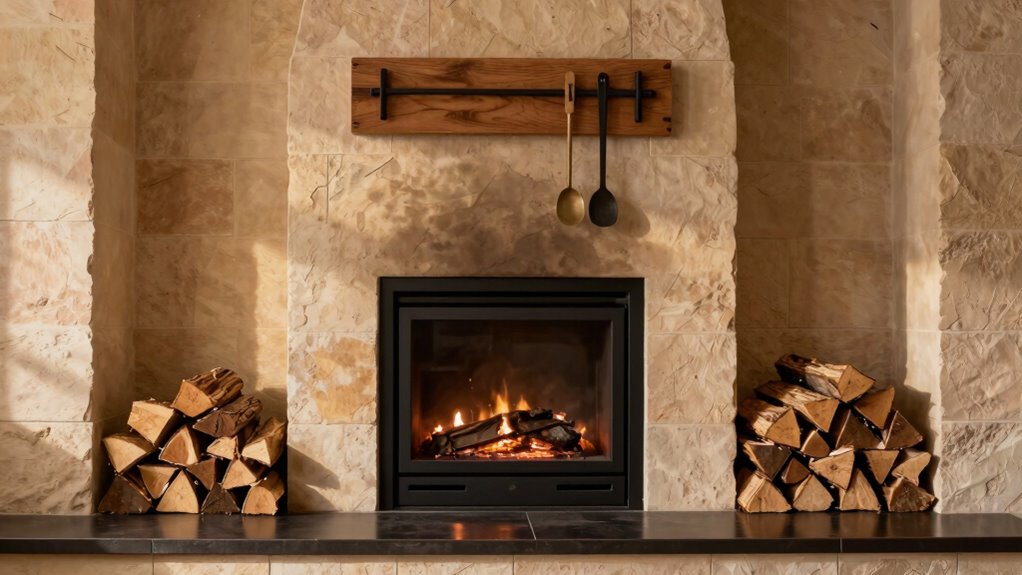
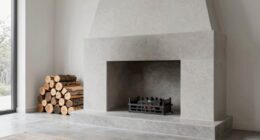
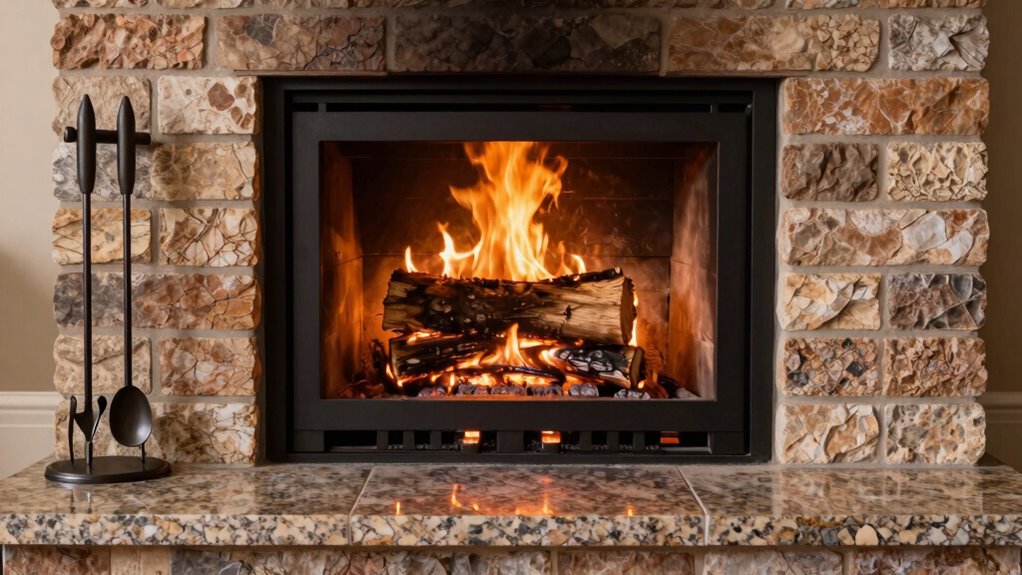
Have you ever wondered how to improve the layout of your hearth for both safety and aesthetics? Creating a well-designed hearth isn’t just about making it look good; it’s about guaranteeing safety, functionality, and style all come together seamlessly. To start, understanding fireplace safety is key. You want your hearth to be a safe zone where sparks, embers, or heat don’t pose a risk to your home or loved ones. This means choosing the right materials—non-combustible surfaces like brick, stone, or tile—and making sure your hearth extends far enough in front and to the sides of the fireplace opening. A good rule of thumb is to have at least 16 inches of non-combustible material in front of the firebox and 8 inches on each side. These hearth design tips help prevent accidental fires and protect your flooring from heat damage.
Ensure your hearth extends 16 inches in front and 8 inches on each side with non-combustible materials for safety.
Next, consider the size and shape of your hearth. It should complement your room’s layout without overwhelming the space. If your room is small, a simple rectangular hearth might work best, keeping the focus on the fireplace itself. In larger rooms, you can experiment with curved or extended hearths to create a cozy, inviting atmosphere. Keep in mind that a balanced proportion between the hearth and the fireplace opening enhances both safety and aesthetics. A too-small hearth can be unsafe, as it won’t contain embers properly, while an overly large one can look overpowering and cluttered. Additionally, understanding fireplace safety is essential to designing a secure and effective hearth layout. Considering heat-resistant materials during your design process ensures durability and safety over time. In addition, selecting appropriate clearance around the hearth is crucial for maintaining safety standards and preventing heat transfer to nearby furnishings. Proper fireplace ventilation can also improve airflow and reduce the buildup of smoke or fumes, making your hearth safer and more efficient.
Material choice plays a vital role in hearth design tips. Not only should the surface be durable and heat-resistant, but it should also match your interior style. For example, natural stone adds a rustic charm, while sleek ceramic tiles give a modern vibe. Make certain the hearth surface is smooth and level, which helps prevent tripping and makes cleaning easier. When placing furniture around your hearth, maintain a safe distance—generally at least 36 inches—to prevent accidental contact with the flames or hot surfaces. Additionally, incorporating biodiversity-related elements into your hearth area, like planters or natural decor, can create a more harmonious and eco-friendly space.
Finally, don’t forget to incorporate some aesthetic elements. Use decorative accents, such as a mantel or hearth accessories, that echo your room’s decor. Keep clutter to a minimum, and consider adding a fire screen for extra safety. Your hearth layout should be a harmonious blend of safety features and aesthetic appeal, making your fireplace a warm, inviting focal point that’s both beautiful and secure. With these simple tips, your hearth will be safer, more functional, and visually pleasing.
As an affiliate, we earn on qualifying purchases.
Frequently Asked Questions
What Are the Best Materials for a Durable Hearth?
You should choose materials like soapstone, firebrick, or refractory concrete for a durable hearth. These materials offer excellent material durability and resist high temperatures, guaranteeing your hearth lasts longer. Refractory materials are specifically designed for hearth longevity, providing strength and heat resistance. By selecting these options, you’ll enhance your fireplace’s durability and ensure it remains safe and functional over time. Proper installation and maintenance also contribute to your hearth’s overall longevity.
How Do I Ensure Proper Airflow in My Hearth Design?
To guarantee proper airflow in your hearth design, focus on ventilation strategies that promote airflow optimization. Incorporate vents or openings in strategic locations to allow fresh air to circulate and exhaust fumes effectively. Keep these vents unobstructed and consider installing a chimney or flue for efficient draft. Properly designed ventilation not only enhances safety but also improves combustion efficiency, making your hearth safer and more effective.
Can I Incorporate Modern Aesthetics Into a Traditional Hearth?
Yes, you can blend modern aesthetics into a traditional hearth, creating a harmonious dance between old and new. Think of your hearth as a blank canvas, where contemporary accents like sleek lines and minimalist design elements add a fresh touch without overpowering its charm. Incorporate subtle modern touches—such as glass or metal finishes—while preserving the traditional structure, resulting in a stylish, timeless centerpiece that reflects your unique taste.
What Safety Precautions Should I Consider During Installation?
During installation, prioritize fireproofing measures by using fire-resistant materials around the hearth. Guarantee proper ventilation requirements are met to prevent smoke buildup and allow safe operation. Keep a clear space around the hearth, and install a smoke detector nearby. Always follow local building codes and manufacturer instructions. Wearing protective gear and double-checking connections can prevent accidents. These precautions help create a safe, functional hearth that blends safety with your aesthetic goals.
How Often Should I Perform Maintenance on My Hearth?
You should perform maintenance on your hearth at least once a year, because ignoring fireplace cleaning and chimney inspection can turn your cozy space into a dangerous, smoky mess. Regularly cleaning your fireplace and inspecting the chimney helps prevent dangerous creosote buildup and potential fires. Think of it as giving your hearth a health check-up—neglect it, and your comfort could quickly turn into chaos. Better safe than sorry!
Conclusion
Now that you’ve got the basics down, designing a better hearth layout is just the beginning. With some thoughtful planning, you’ll create a cozy space that feels like a warm embrace, even on the coldest nights. Think of your hearth as your personal round table, where friends gather and stories unfold. Remember, a well-designed hearth isn’t just modern convenience—it’s a timeless gathering spot, as inviting as a roaring fire in a medieval great hall.
Halloween Picks
halloween
As an affiliate, we earn on qualifying purchases.