
You should treat ash buckets like safety gear because handling hot ashes improperly can lead to fires, injuries, or property damage. Using and storing them correctly minimizes risks during fire activities or outdoor gatherings. Always make certain ashes are fully cooled and keep the bucket in a safe, non-flammable spot. Proper safety practices protect you and others. If you want to learn more about how to keep safe with ash buckets, keep exploring these steps and protocols.

Get backup power and energy gear delivered free with Prime
- Fast, free delivery on millions of items
- Prime Video, Amazon Music and more included
- Member-only deals all year
Key Takeaways
- Ash buckets prevent fires by safely containing hot embers and ashes, reducing fire hazards during handling and storage.
- Proper use and handling minimize risks of accidental burns or ignition of nearby flammable materials.
- Regular inspection ensures the bucket’s integrity, preventing leaks or damage that could cause safety issues.
- Training on safe procedures promotes awareness and reduces human error during ash disposal.
- Treating ash buckets as safety gear emphasizes their role in protecting lives, property, and the environment from fire risks.
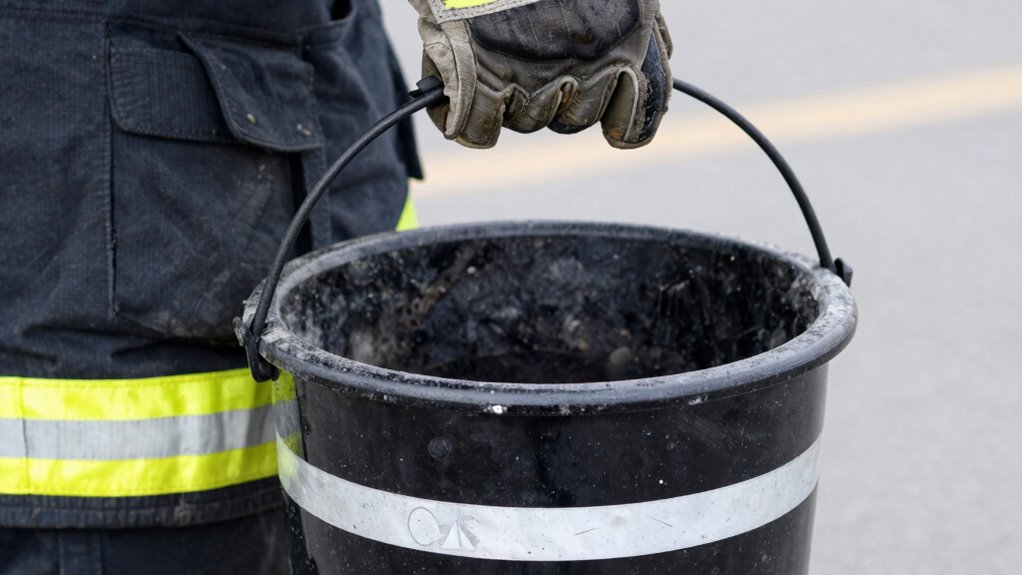
Ash buckets are fundamental safety gear for anyone handling hot debris or embers, especially in firefighting, welding, or outdoor firepit use. When you’re working with or around burning materials, the risk of fire hazards isn’t just theoretical; it’s real and immediate. Properly using an ash bucket isn’t just about convenience—it’s about preventing unintended fires that could cause damage or injury. Treating ash buckets as safety gear means understanding the importance of their role in reducing fire hazards and following strict storage protocols. If you neglect these practices, you risk exposing yourself and others to danger, making safety measures essential.
Using and storing ash buckets safely is crucial to prevent fires and protect everyone around you.
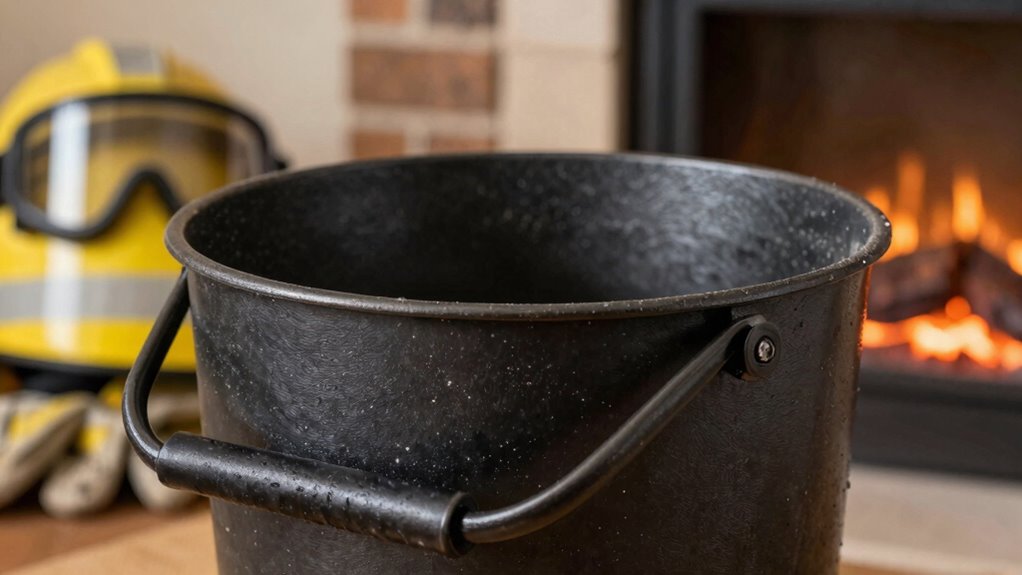
The moment you finish cleaning out a firepit, fireplace, or welding area, you should transfer the hot ashes into the ash bucket carefully. It’s imperative to keep the bucket in a safe, non-combustible location, away from flammable materials like paper, wood, or fabric. This isn’t just about keeping ashes contained; it’s about preventing accidental ignitions caused by residual heat or stray embers. The right storage protocols involve allowing the ashes to cool completely before disposal or storage. Even if they seem cool to the touch, residual heat can remain, making premature handling risky. Using a metal ash bucket with a tight-fitting lid is a good practice, as it limits oxygen access to hot embers, reducing the chance of sparks or flare-ups. Additionally, understanding fire safety principles helps reinforce the importance of proper ash disposal. Proper disposal and storage of hot ashes are critical to fire prevention and ensuring safety.
You should view your ash bucket as a necessary part of your fire safety toolkit, not just a container. Its proper use and storage can considerably diminish fire hazards. Regularly inspecting the bucket for damage or corrosion ensures it remains a reliable safety device. Never leave hot ashes exposed or stored near combustible objects, and always empty the bucket in a well-ventilated outdoor space. It’s also helpful to know that storage protocols can vary depending on local regulations and environmental considerations. Being aware of hot debris handling procedures can further reduce the risk of accidental fires. Proper training on fire hazard awareness can significantly reduce the risk of accidents and ensure everyone involved understands the importance of safety measures. It’s essential to educate everyone involved in fire-related activities about these storage protocols, ensuring they understand that neglecting safety measures can have serious consequences.
Treating ash buckets as safety gear means respecting their role in fire prevention. You’re responsible for maintaining a safe environment, and that begins with proper handling and storage of hot ashes. By adhering to fire hazards awareness and storage protocols, you minimize risks not just for yourself but for everyone around you. Safety isn’t just a precaution; it’s an ongoing responsibility that requires your attention every time you deal with hot debris. When you prioritize these safety practices, you’re actively protecting lives, property, and your peace of mind.
As an affiliate, we earn on qualifying purchases.
Frequently Asked Questions
Are Ash Buckets Required by Workplace Safety Regulations?
Yes, ash bucket regulations are part of workplace safety standards, especially in environments dealing with hot materials. You’re required to use ash buckets that meet safety guidelines to prevent accidents and injuries. Properly maintained and compliant ash buckets help protect workers from burns and fire hazards. Following these standards guarantees a safer workplace, reduces liability, and aligns with occupational safety laws. Always check your local regulations to stay compliant.
How Often Should Ash Buckets Be Inspected for Safety?
You should inspect your ash bucket regularly to guarantee safety. The recommended inspection frequency for ash bucket maintenance is at least weekly, especially if you use it frequently or store it in high-traffic areas. During each inspection, check for signs of corrosion, cracks, or damage that could compromise safety. Regular inspections help prevent accidents and ensure your ash bucket remains reliable and safe to use, just like essential safety gear.
Can Household Ash Buckets Be Used Professionally?
Did you know that nearly 20% of fire incidents are caused by improper ash disposal? Household ash buckets shouldn’t be used professionally because they lack the safety features required by industry standards. For professional settings, you need equipment that meets strict safety standards, unlike household alternatives which may not withstand high temperatures or contain embers safely. Always prioritize safety by using designated, certified ash containers for professional use.
What Is the Proper Way to Dispose of Hot Ashes?
You should always dispose of hot ashes carefully to guarantee fire safety. Allow the ashes to cool completely, ideally for at least 48 hours, before handling. Use a metal container with a tight lid, and keep it away from combustible materials. Never dispose of hot ashes in plastic or paper containers. Proper ash disposal reduces fire risks and keeps your environment safe. Always prioritize safety when managing hot ashes.
Are There Specific Certifications for Safety Ash Buckets?
Yes, there are specific certifications for safety ash buckets. You should look for buckets that meet certification standards like UL or FM, ensuring they adhere to safety regulations. These standards verify material compliance, making sure the bucket can handle hot ashes safely and withstand potential hazards. Choosing certified ash buckets helps prevent accidents, just like safety gear, giving you peace of mind while handling hot ashes.
Conclusion
Think of ash buckets not just as simple containers, but as your silent shield against disaster. When treated like safety gear, they become your trusted guardian, ready to catch sparks before they ignite a blaze. Handle them with care, respect their power, and they’ll stand by you like a loyal sentinel. Remember, in the dance of fire and safety, your ash bucket is your partner—treat it with the caution it deserves, and you’ll keep your home safe from unexpected flames.
Halloween Picks
halloween
As an affiliate, we earn on qualifying purchases.