
TL;DR

Get backup power and energy gear delivered free with Prime
- Fast, free delivery on millions of items
- Prime Video, Amazon Music and more included
- Member-only deals all year
California has finalized rules requiring reliability and data-sharing standards for EV chargers supported by state agencies or regulated utilities. New public fast chargers installed from Sept. 28 must support the OCPP 2.0.1 communications standard, but repair experts say gaps in diagnostics and coordination still cause charging failures.
California has put in place new reliability and data-sharing rules for electric-vehicle chargers backed by state agencies or regulated utilities, including a requirement that qualifying new public fast chargers support a common communications standard. The rules are intended to make publicly funded charging more dependable, though repair and industry experts say important problems with fault data and coordination remain.
Laws passed in 2022 and 2023 directed the California Energy Commission (CEC) to establish standards for charging projects that receive public money through state agencies or regulated utilities. The rules have taken years to develop and are now in place. A person at a large charging network told Canary Media that the requirements amount largely to an onerous data-reporting exercise and may not improve reliability; that criticism is an industry view, not an established finding about the rules’ effects.
One technical requirement applies to publicly funded direct-current fast chargers installed on or after Sept. 28: they must support OCPP 2.0.1, the latest version of the Open Charge Point Protocol described in the report. The standard lets chargers and network-management systems from different vendors communicate. Obrie Hostetter, who directs fleet decarbonization programs at the Center for Sustainable Energy, said compatibility could reduce the risk that equipment becomes unusable if a manufacturer or network operator exits the market.
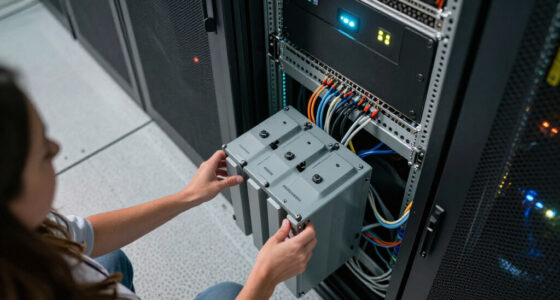
The state has also funded a testing and training effort. The Capital Charge Yard, a Sacramento testing lab that opened in August, received a $4 million CEC grant, according to the report. The California Energy, Power, and Innovation Collaborative manages the lab, which works with companies including ABB, ChargePoint, EVgo, Hubject, Rivian and Tesla. Its stated role includes training technicians and testing how chargers operate with vehicles and related systems.
Public Funding, Public Reliability
California has more electric vehicles than any other state, giving reliability problems broad consequences for drivers, fleets and the public agencies financing charging infrastructure. A charger that is unavailable, cannot process payment or fails to communicate with a vehicle can undermine the usefulness of the network even when the equipment has been installed.
The rules connect public support to technical and reporting requirements. The protocol mandate could make it easier to change software providers when a company stops operating, while data collection may help agencies and operators identify recurring faults. But the rules’ practical effect is not yet established. Kameale Terry, chief executive and co-founder of charger-repair company ChargerHelp, told the report that repair crews still lack some information needed to diagnose failures, and that handoffs among hardware, software, vehicle communications and payment systems can go wrong.
The testing lab represents a different approach: helping companies test equipment together before or during deployment. Whether regulation, shared testing and better repair information can reduce failed charging sessions will matter to drivers deciding whether public charging is dependable enough for routine travel.
Products Worth Considering

Bose SoundLink Flex (2nd Gen) Portable Bluetooth Speaker

Philips Hue Festavia 130-Foot Indoor/Outdoor Smart String Lights, 500 LEDs

Levoit Core 300S-P Smart Wi-Fi Air Purifier
As an affiliate, we earn on qualifying purchases.
From Federal Standards to State Rules
The federal government previously attached reliability requirements to a $5 billion EV-charger program, the report says. The source describes federal leadership as having weakened under the Trump administration, leaving states to take a larger role; that is the report’s characterization of the policy shift. California’s laws assigned the CEC responsibility for standards covering charging projects supported by state agencies or regulated utilities.
Hostetter said public projects should reliably serve the public and that collecting performance data is one way to check whether they do. ChargerHelp and other companies supported the 2022 law calling for more data, Terry said. The CEC-funded Charge Yard adds a practical testing venue to those regulatory efforts. Orville Thomas, chief executive of the nonprofit managing it, said the aim is to check that chargers work as expected when plugged in.
“They have very strict requirements.”
— Michael Bakunin, CEO of EV-charging software vendor Epic Charging
Repair Gaps Still Affect Chargers
The available information does not show how much the new rules have improved charger uptime or how the CEC will measure their effects over time. The source does not provide a statewide reliability rate, a baseline for comparison or a quantified estimate of failures prevented.
Terry said technicians lack access to some diagnostic information and that there are no clear rules forcing companies to manage technical handoffs effectively. The extent of those gaps, and whether the new reporting requirements will supply the data repair crews need, remains unclear. It is also not yet clear how consistently the protocol requirement will make it possible to move equipment between software providers in practice.
Testing and Enforcement Ahead
The CEC’s rules are in place, and the OCPP requirement applies to qualifying publicly funded fast chargers installed on or after Sept. 28. The next test is implementation: whether projects meet the standards, whether the data collected helps identify failures and whether chargers can be kept operating when vendors or software providers change.
The Capital Charge Yard is expected to continue technician training and testing work with participating companies. The report gives no specific timeline for future evaluations or additional rules. Evidence from the lab and from charger performance data could help clarify whether California’s combination of regulation and testing is reducing failures, but results have not yet been established.
Key Questions
What did California change for publicly funded EV chargers?
The CEC has put reliability and data-sharing standards in place for chargers supported by state agencies or regulated utilities. The requirements include technical standards for certain new fast chargers.
Which chargers must support OCPP 2.0.1?
Under the reported rule, publicly funded DC fast chargers installed on or after Sept. 28 must support OCPP 2.0.1, a protocol for communication between chargers and network-management systems.
Will the rules stop EV charging failures?
That has not been established. The standards are intended to improve reliability, but repair experts say incomplete diagnostic data and coordination problems can still cause charging sessions to fail.
What is the Capital Charge Yard?
It is a Sacramento testing lab that opened in August and received a $4 million CEC grant. The nonprofit California Energy, Power, and Innovation Collaborative manages it and hosts technician training and charger testing.
Source: canarymedia.com